Simplicity requires more skill than complexity
We live in a culture that mistakes busy for impressive. A designer who uses every tool, a writer who deploys every technique, a manager who implements every process—they all look productive, capable, in command. But anyone who's actually tried to make something good knows the harder truth: stripping away the unnecessary is brutally difficult. It requires taste, confidence, and the willingness to let go of things you're actually good at.
The real skill isn't mastery of complexity—it's knowing what to leave out. A simple sentence does more work than a complicated one. A minimal interface is harder to design than a cluttered one because every element has to earn its place. This applies everywhere: a simple conversation beats a jargon-filled explanation, a straightforward routine outperforms an over-engineered system. The problem is that simplicity looks effortless, so we assume it's lazy work.
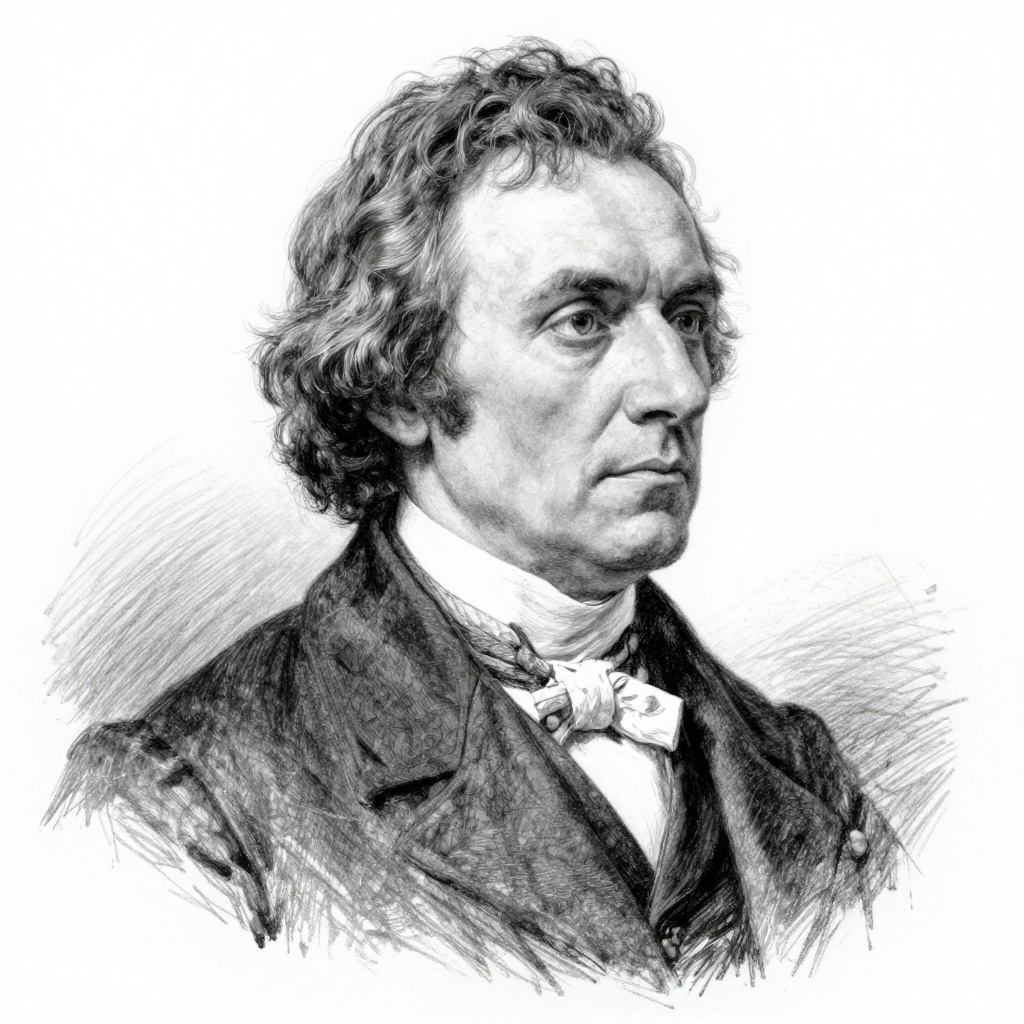
What makes this quote still valuable is its inversion of how we usually think. We're taught that growth means accumulation—more skills, more options, more features. But Ruskin points to a deeper maturity: the restraint to use only what's necessary, the confidence to let complexity fall away. That takes more judgment, more self-knowledge, and yes, more difficulty.
Comments