Quote · Added 9 February 2026
Give a little love to a child, and you get a great deal back.
John RuskinThe Crown of Wild Olive Lecture 1, 1866
Filed underlove·kindness·reciprocity
Quote · Added 9 February 2026
Filed underlove·kindness·reciprocity
There's something almost alchemical about how children multiply small gestures of kindness. A five-minute conversation where you actually listen, a note slipped into a lunchbox, showing up to watch them try something new—these tiny deposits compound in ways that feel almost unfair in their returns. Years later, a person will remember not the expensive gift but the afternoon you sat with them when they were scared, or believed in them when they didn't believe in themselves.
What's striking is how this works both directions. When you give a child genuine attention and care, you're not just changing them—you're changing yourself. You become someone who notices things, who slows down, who learns what actually matters by watching someone discover the world. Kids have this brutal honesty that cuts through our usual pretenses. They call out the gap between what we say we value and how we actually spend our time.
The uncomfortable part is that this suggests love isn't a scarce resource we need to ration. Most of us operate as though affection and presence are limited commodities we can't afford to spend freely. Ruskin's point is simpler and harder: the return on genuine kindness to a child isn't just emotional—it's practical. It shapes who they become, and in witnessing that, it shapes who we become too.
1819–1900·lived 80 years
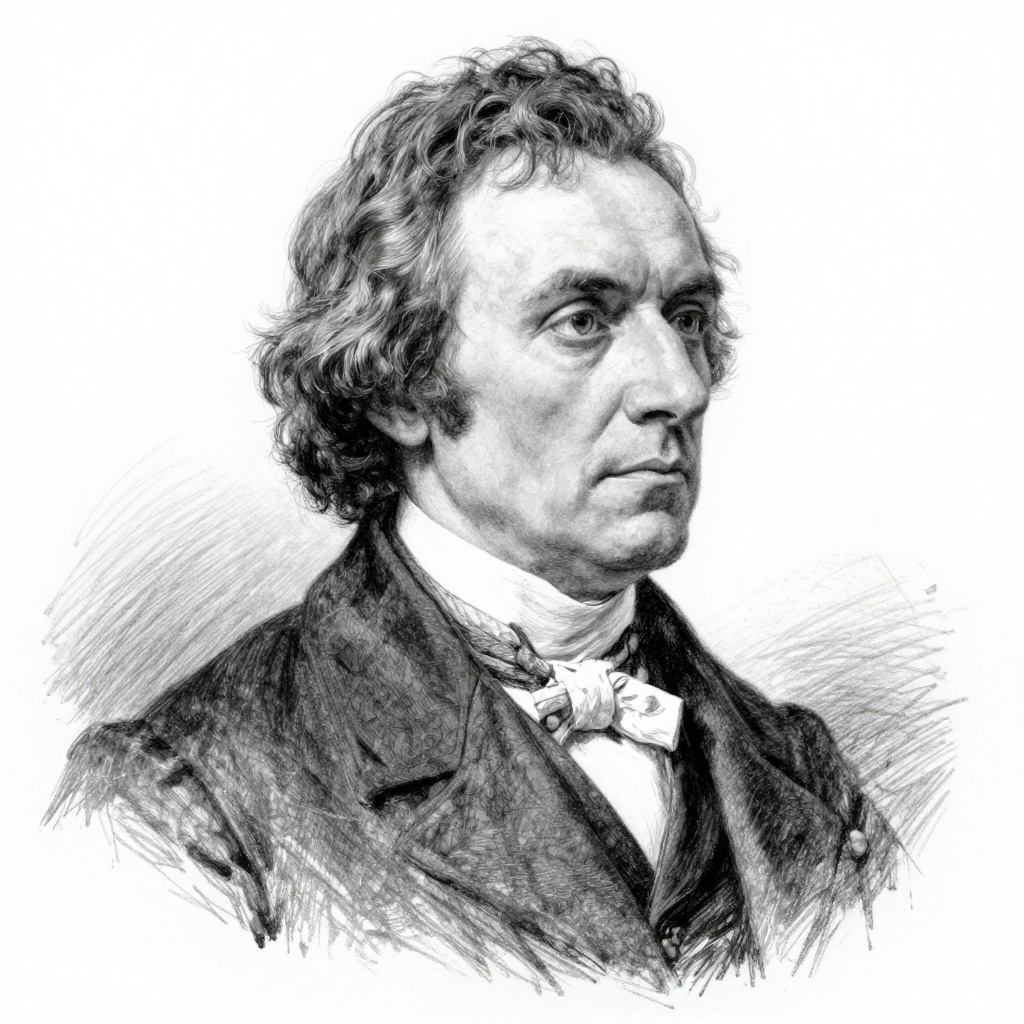
John Ruskin was an English art critic, writer, and social thinker, born in 1819. He is known for his significant contributions to art and architecture criticism during the Victorian era, and his writings have influenced the Pre-Raphaelite Brotherhood and the Arts and Crafts Movement. Ruskin's work also extended to topics such as environmentalism, social reform, and economics.
Comments