Quote · Added 14 February 2026
Fine art is that in which the hand, the head, and the heart of man go together.
John RuskinThe Two Paths, Lecture II, 1859
Filed underart·creativity·expression
Quote · Added 14 February 2026
Filed underart·creativity·expression
There's something we've mostly forgotten in the age of specialization: that the best work happens when you're using your whole self. Ruskin isn't just talking about painting or sculpture here—he's describing what happens when you stop compartmentalizing. Your hands know how to do something, your mind understands the problem deeply, and your genuine care about it actually matters. Most of us experience this rarely, if ever. We're trained to separate thinking from doing, to treat emotion as unprofessional, to outsource meaning.
But notice what suffers when we do that. A perfectly executed task with no thought behind it feels hollow. A brilliant idea that nobody cares about doesn't move anything. And work done purely for a paycheck, no matter how competent, leaves us drained. The tension Ruskin identifies is real: fine art—whether that's writing, teaching, building something, raising a kid—requires alignment. Your skills have to be sharp, your reasoning sound, but also your genuine investment has to be there.
The awkward truth is that this kind of wholeness can't be rushed or faked. It's why people can tell the difference between something made with care and something mass-produced, even if they can't quite name it. And it's why the work that actually sustains us—the kind we remember—almost always involves all three.
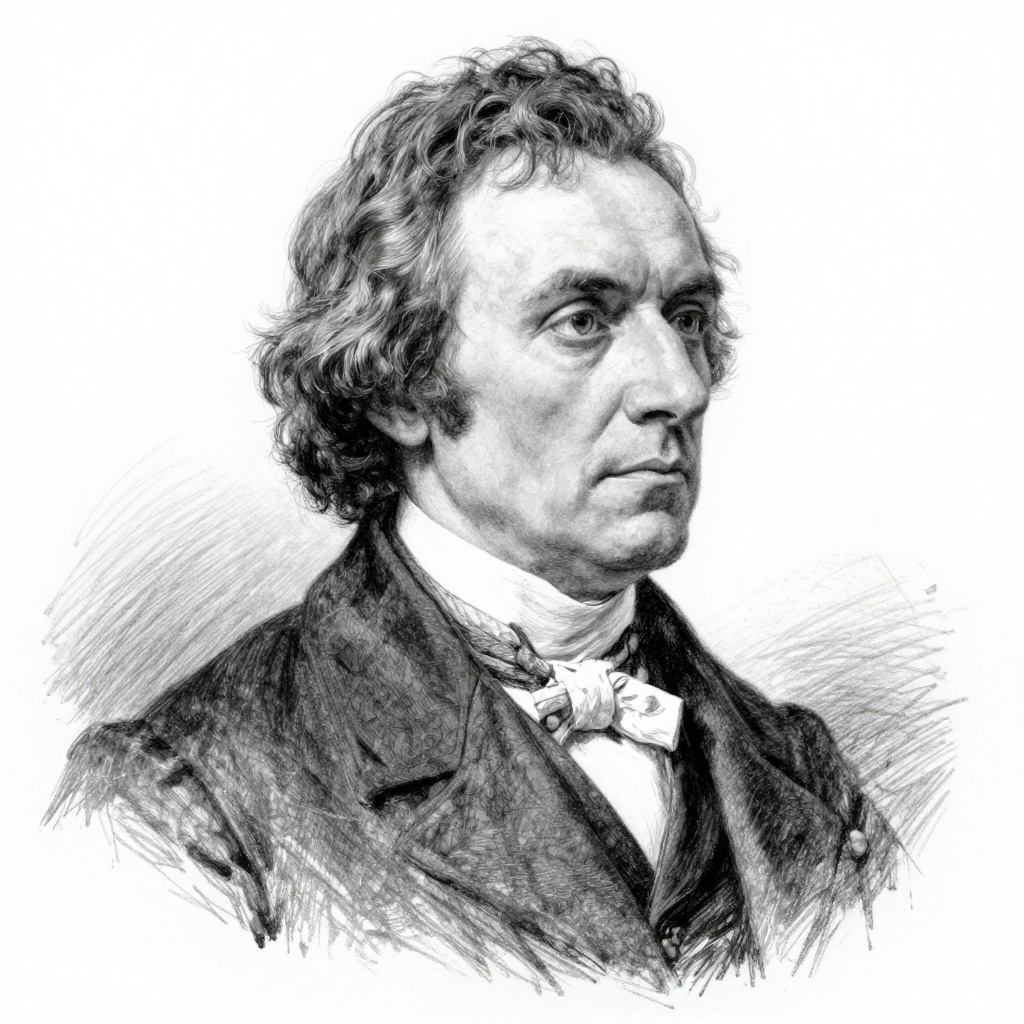
1819–1900·lived 80 years
John Ruskin was an English art critic, writer, and social thinker, born in 1819. He is known for his significant contributions to art and architecture criticism during the Victorian era, and his writings have influenced the Pre-Raphaelite Brotherhood and the Arts and Crafts Movement. Ruskin's work also extended to topics such as environmentalism, social reform, and economics.
Comments