Quote · Added 14 February 2026
Endurance is nobler than strength, and patience than beauty.
John RuskinThe Two Paths,, 1859
Quote · Added 14 February 2026
We live in a culture that celebrates the sprint: the quick win, the overnight success, the dramatic transformation. But if you pay attention to what actually builds lives—meaningful relationships, skills worth having, bodies that work well into old age—it's almost always the unglamorous thing. Showing up consistently beats showing up spectacularly. The person who stays in a friendship through boring years and difficult ones is doing something more profound than the person who's fun at parties.
There's something deeply counterintuitive here too. We assume strength is what matters—physical strength, mental toughness, willpower. But endurance isn't the same thing. Endurance is what you do when strength alone isn't enough. It's the patience to learn something slowly. It's the willingness to be mediocre at something for months before getting good. It's staying calm when the quick fix fails. Beauty and strength catch attention; endurance creates character.
The quiet power of this is that endurance is actually available to everyone. You don't need to be naturally talented or conventionally attractive to last. You just need to show up tomorrow, and the day after. In a world obsessed with who's impressive right now, the people who become genuinely formidable are often the ones nobody's watching—the ones still going when everyone else got bored.
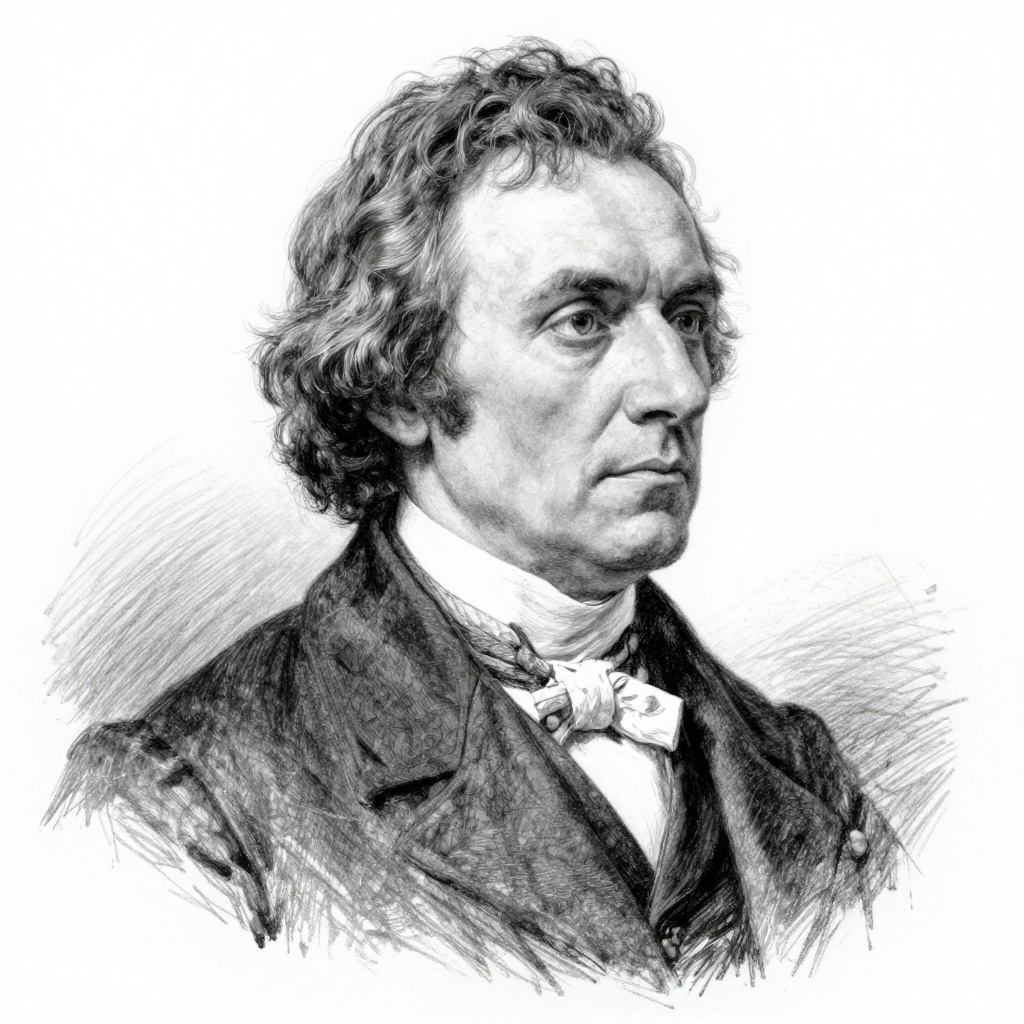
1819–1900·lived 80 years
John Ruskin was an English art critic, writer, and social thinker, born in 1819. He is known for his significant contributions to art and architecture criticism during the Victorian era, and his writings have influenced the Pre-Raphaelite Brotherhood and the Arts and Crafts Movement. Ruskin's work also extended to topics such as environmentalism, social reform, and economics.
Comments