Quote · Added 14 February 2026
A little thought and a little kindness are often worth more than a great deal of money.
John RuskinSelections from the writings of John Ruskin, 1861
Filed underkindness·value·thoughtfulness
Quote · Added 14 February 2026
Filed underkindness·value·thoughtfulness
We live in a world obsessed with grand gestures and big checks. Someone gets sick, so we buy them flowers. Someone's struggling, so we offer cash. But anyone who's actually been on the receiving end of thoughtfulness knows the real magic happens in the small stuff. A text at 2am saying "I was thinking about you." Someone remembering how you take your coffee. A phone call from someone busy who made time anyway. These moments stick because they prove someone was paying attention, that you mattered enough for them to think.
The kindness part is trickier than it seems. Real kindness isn't performative or exhausting. It's the opposite. It's the coworker who notices you're overwhelmed and asks what they can actually help with instead of vague platitudes. It's showing up even when it's inconvenient. Money can solve some problems, sure, but it can't solve the feeling of being unseen or unvalued. And that feeling, when it lingers, is often what hurts most.
What Ruskin captured is something our efficiency-obsessed culture keeps forgetting: the most valuable things rarely have price tags. They just require you to slow down and notice someone else. That's harder than transferring funds, which is probably why it matters more.
1819–1900·lived 80 years
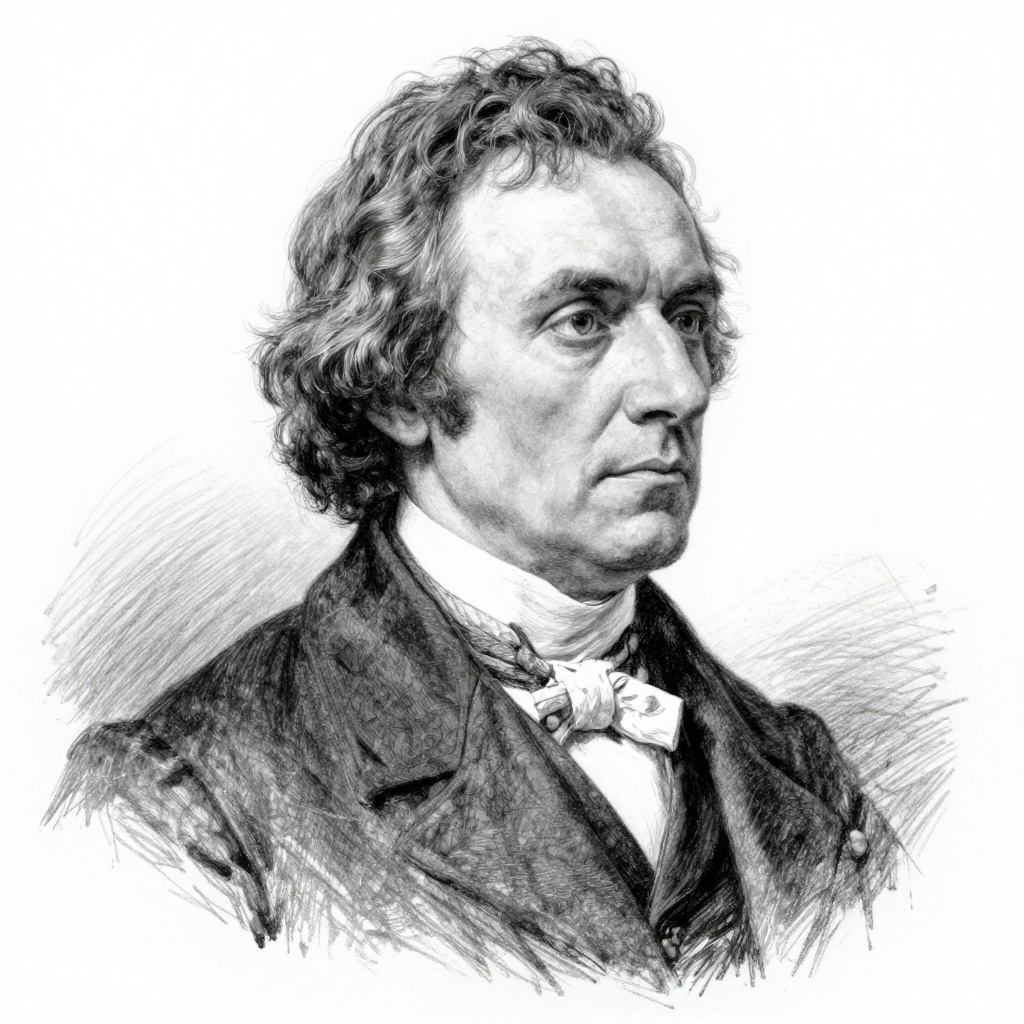
John Ruskin was an English art critic, writer, and social thinker, born in 1819. He is known for his significant contributions to art and architecture criticism during the Victorian era, and his writings have influenced the Pre-Raphaelite Brotherhood and the Arts and Crafts Movement. Ruskin's work also extended to topics such as environmentalism, social reform, and economics.
Comments