Quote · Added 14 February 2026
The Kingdom of Heaven is not a place, but a state of mind.
No ratings yet
Filed underheaven·mindset·spirituality
Quote · Added 14 February 2026
Filed underheaven·mindset·spirituality
Most of us imagine heaven as somewhere we go after we die—a physical destination with gates and streets. But this quote suggests something more immediate and unsettling: peace, fulfillment, and wholeness aren't things we're waiting to receive. They're available now, hidden inside how we choose to think about our lives.
This matters because it shifts the burden onto us in a way that's both liberating and uncomfortable. We can't blame our unhappiness on waiting for the afterlife or on circumstances we think will eventually improve. When we're stuck in resentment, distraction, or fear, we're choosing to live in a different state of mind—not a physical hell, but a mental one we carry with us. The flip side is that small shifts in perspective—noticing what's good, treating people with genuine kindness, finding meaning in ordinary moments—aren't frivolous. They're the actual thing itself, not preparation for it.
Of course, this doesn't mean ignoring real problems or pretending suffering doesn't matter. It means recognizing that whether life feels like heaven or something else often depends less on what happens to us and more on the internal landscape we've learned to inhabit.
1837–1921·lived 83 years
John Burroughs was an American naturalist and essayist known for his writings on nature, conservation, and the transcendentalist movement. He was a prominent figure in the early conservation movement in the United States and his works, including "Wake-Robin" and "The Art of Seeing Things," continue to inspire readers to connect with the natural world.
Also by John Burroughs
Nothing relieves and ventilates the mind like a resolution.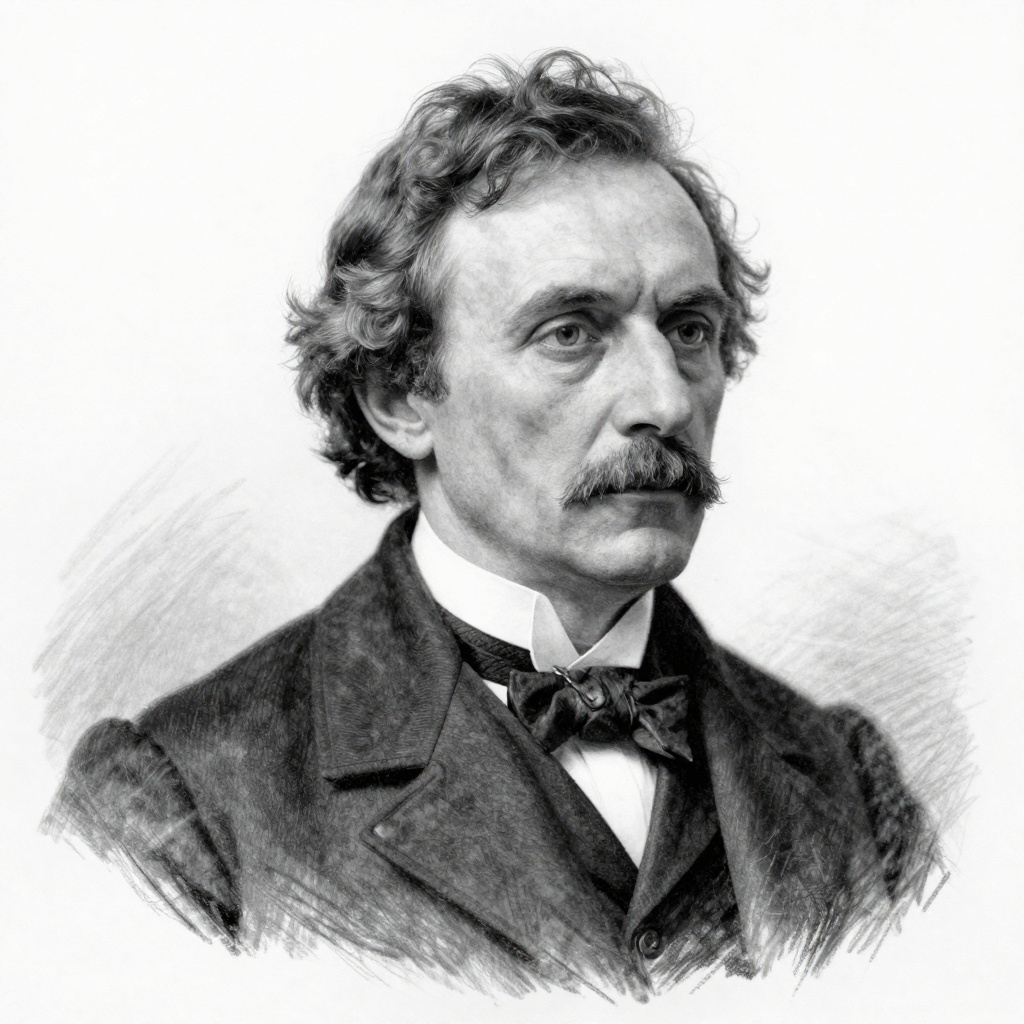
Comments