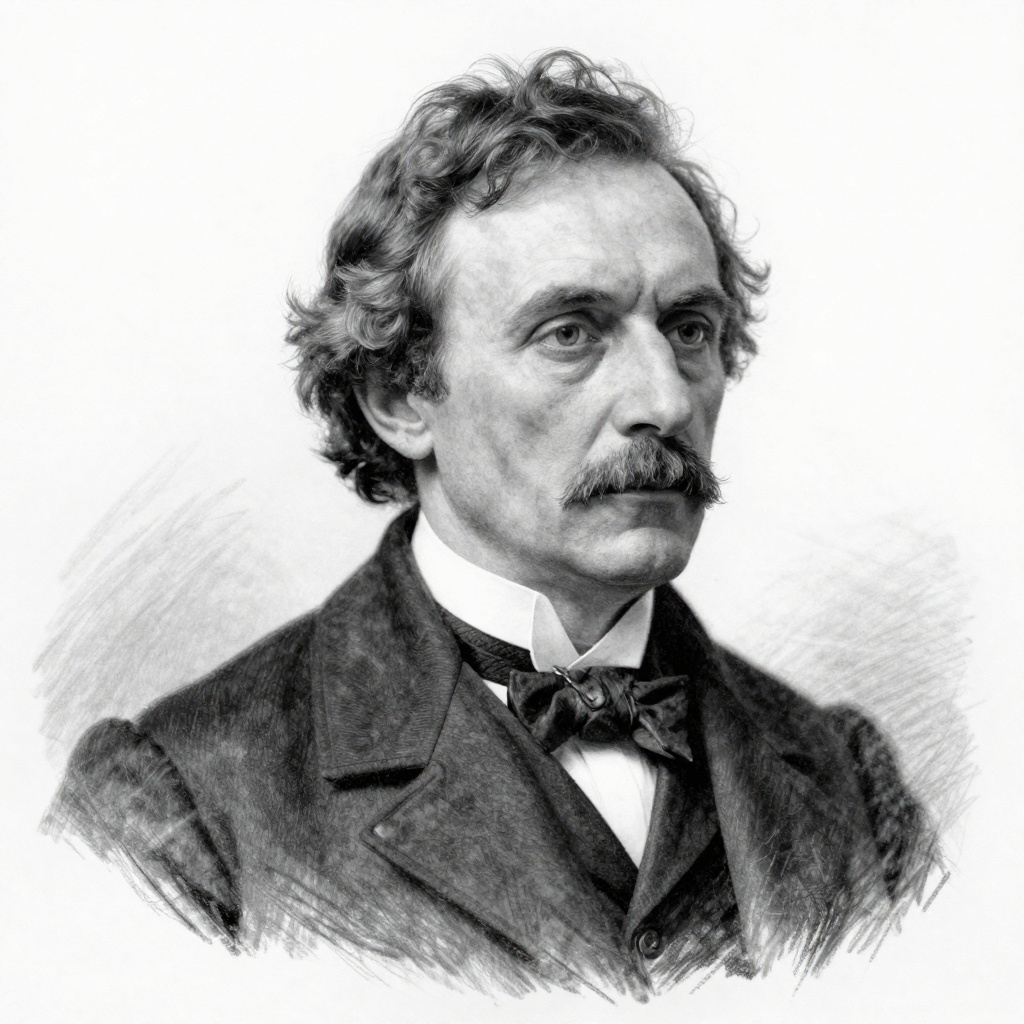
Living in the city is a discordant thing, an unnatural thing. The city, a place to which one goes to do busine... — John Burroughs

Living in the city is a discordant thing, an unnatural thing. The city, a place to which one goes to do business, is a place where men overreach each other in the fight for money. But it is not a place in which one can live.

Author: John Burroughs

Insight: There's something bracing about Burroughs calling the city "unnatural"—not because cities are evil, but because he's naming a real tension we all feel. The city demands constant negotiation: you're surrounded by millions of strangers, competing for space and resources, yet expected to feel at home. It's exhausting in a way that quiet places simply aren't, because your nervous system never fully settles. What's interesting is that Burroughs isn't wrong about the transactional nature of urban life, yet people keep trying to live meaningfully in cities anyway. The trick isn't moving to the country—most of us can't and wouldn't want to. It's recognizing that cities are built for efficiency, not rest, and then deliberately carving out pockets of the opposite. A park bench. A quiet cafe. Regular time outside the competition. The city remains a place of business, but you can choose not to conduct business every single hour you're there. The deeper insight is that we often blame cities for making us feel hollow, when really we're just not defending our own quieter needs fiercely enough. Burnout isn't inevitable in cities—it's what happens when you accept that the city's rhythm should be your rhythm.

The city won't let you rest—unless you fight back

Living in the city is a discordant thing, an unnatural thing. The city, a place to which one goes to do business, is a place where men overreach each other in the fight for money. But it is not a place in which one can live.

There's something bracing about Burroughs calling the city "unnatural"—not because cities are evil, but because he's naming a real tension we all feel. The city demands constant negotiation: you're surrounded by millions of strangers, competing for space and resources, yet expected to feel at home. It's exhausting in a way that quiet places simply aren't, because your nervous system never fully settles.

What's interesting is that Burroughs isn't wrong about the transactional nature of urban life, yet people keep trying to live meaningfully in cities anyway. The trick isn't moving to the country—most of us can't and wouldn't want to. It's recognizing that cities are built for efficiency, not rest, and then deliberately carving out pockets of the opposite. A park bench. A quiet cafe. Regular time outside the competition. The city remains a place of business, but you can choose not to conduct business every single hour you're there.

The deeper insight is that we often blame cities for making us feel hollow, when really we're just not defending our own quieter needs fiercely enough. Burnout isn't inevitable in cities—it's what happens when you accept that the city's rhythm should be your rhythm.

AI generated

Comments

Sign in to leave a comment or reply to one.

Sign in

John Burroughs

John Burroughs was an American naturalist and essayist known for his writings on nature, conservation, and the transcendentalist movement. He was a prominent figure in the early conservation movement in the United States and his works, including "Wake-Robin" and "The Art of Seeing Things," continue to inspire readers to connect with the natural world.

Graph

Related