Quote · Added 14 February 2026
A man can fail many times, but he isn't a failure until he begins to blame somebody else.
John BurroughsThe Light of Day, p. 45, 1906
No ratings yet
Filed underfailure·responsibility·growth
Quote · Added 14 February 2026
Filed underfailure·responsibility·growth
We all know that person—or maybe we've been that person—who seems to have an explanation for everything that goes wrong, and it's never their fault. The project failed because the team didn't support them. The relationship ended because the other person wasn't ready. The job didn't work out because the boss was unfair. What Burroughs is getting at is that failure itself isn't the problem. Life will hand you losses and setbacks no matter who you are. The real trouble starts the moment you hand over your power to someone else's hands.
There's something quietly rebellious about accepting responsibility for your mistakes. It actually keeps your future open. If the failure was someone else's doing, what can you change? But if it was yours—even partly—you're suddenly back in control. You can adjust, learn, try differently next time. Blame is comforting in the moment because it lets you off the hook, but it also traps you. You've decided you're a victim of circumstances rather than someone navigating them.
The distinction Burroughs makes is almost scientific: failing at something is just information. But becoming a failure—that's a story you tell yourself about who you are. And the moment you start rewriting that story to star someone else as the villain, you've locked the ending in place.
1837–1921·lived 83 years
John Burroughs was an American naturalist and essayist known for his writings on nature, conservation, and the transcendentalist movement. He was a prominent figure in the early conservation movement in the United States and his works, including "Wake-Robin" and "The Art of Seeing Things," continue to inspire readers to connect with the natural world.
Also by John Burroughs
Nothing relieves and ventilates the mind like a resolution.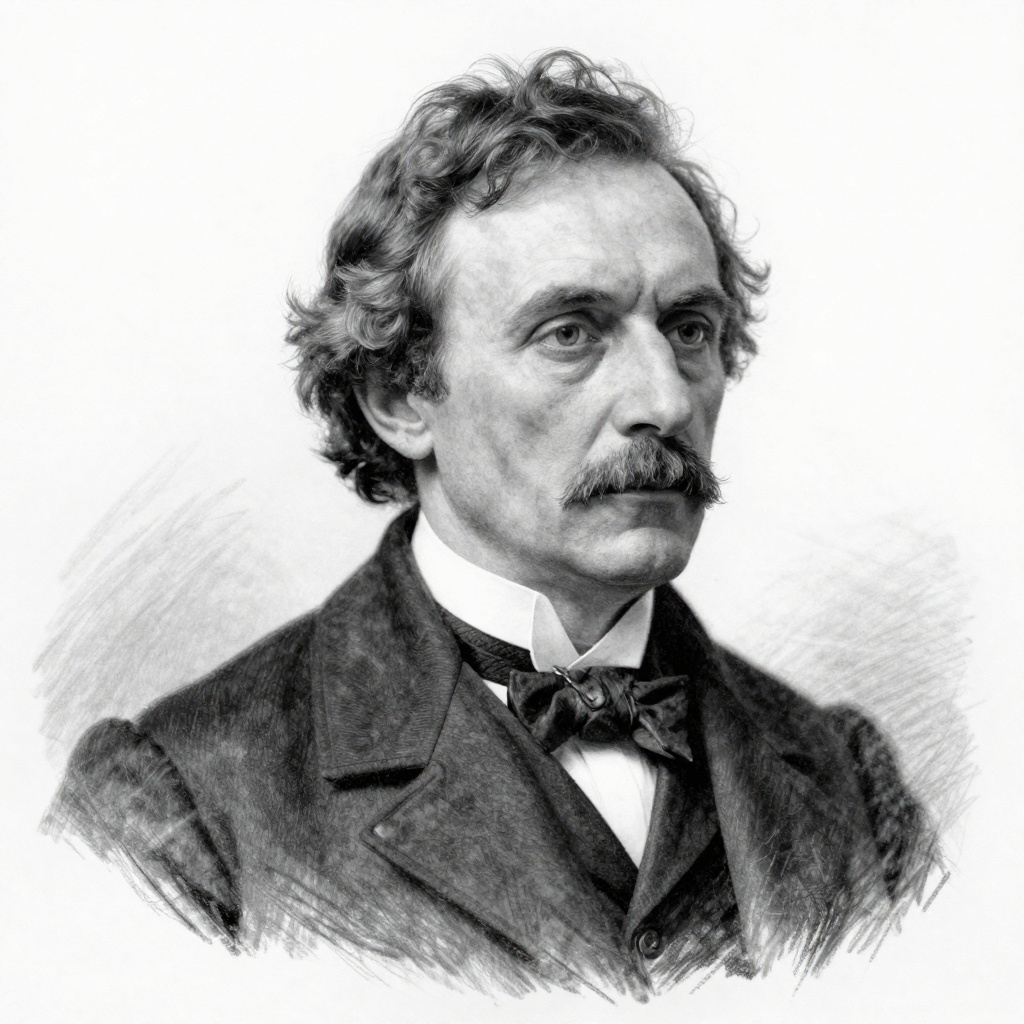
Comments