Quote · Added 15 February 2026
You have not lived today until you have done something for someone who can never repay you.
No ratings yet
Filed underservice·altruism·fulfillment
Quote · Added 15 February 2026
Filed underservice·altruism·fulfillment
There's something unsettling about this idea at first. We're wired to expect reciprocity—help someone and they owe you one. But Bunyan is pointing to a different kind of living, one that only opens up when you let go of the exchange. Giving to someone who can never repay you strips away the calculation. There's no future favor to collect, no social currency to gain. What's left is the act itself, naked and simple.
This matters because so much of modern life runs on transaction. We network for opportunity, we help people strategically, we track favors like a ledger. Even kindness can become a transaction if we're not careful—a performance for an audience or a deposit in our own moral bank account. But when you help someone with no possibility of return—a stranger, someone in genuine need, someone aging out of any ability to help back—something shifts. You're not doing it to become a better person or to feel good about yourself. You're doing it because they need it.
The non-obvious part: this isn't actually noble or selfless in the way we think. It's more like freedom. The moment you release the expectation of return, you stop performing. You're finally just present, just human, just acting on what you actually believe matters.
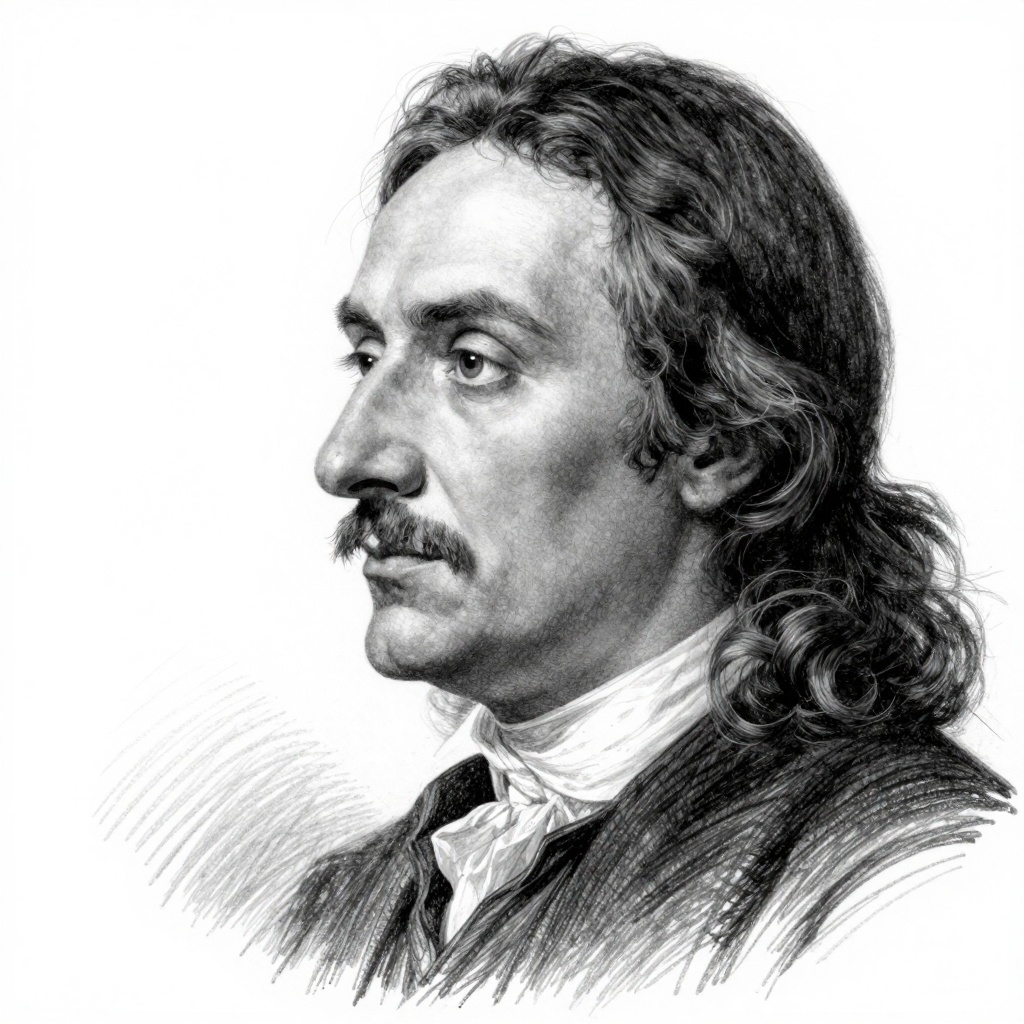
1628–1688·lived 59 years
John Bunyan was an English writer and preacher, born in November 1628 in Bedfordshire, England. He is best known for his Christian allegory "The Pilgrim's Progress," published in 1678, which has become one of the most significant works of English literature and is widely regarded as a classic of Christian theology. Bunyan's experiences of imprisonment for his nonconformist beliefs also influenced his writings and his commitment to religious freedom.
Comments