Quote · Added 28 February 2026
It isn't the big pleasures that count the most; it's making a great deal out of the little ones.
No ratings yet
Filed underpleasures·appreciation·happiness
Quote · Added 28 February 2026
Filed underpleasures·appreciation·happiness
There's a peculiar trap we fall into: we're always waiting for the major life events to feel genuinely good. The promotion, the vacation, the relationship milestone. We hold our breath for these big moments, as if happiness is something that happens rarely, in bursts, rather than something we could experience almost daily.
But if you actually watch people's faces, the real satisfaction often comes from smaller things—the coffee that tastes right on a Tuesday morning, the text from an old friend, the way light falls through a window at just the right angle. The trick isn't that these moments are inherently more valuable than a vacation. It's that we've learned to notice them, to actually pause and register them instead of scrolling past mentally. Someone who's genuinely content isn't necessarily living a more exciting life; they've just gotten better at extracting meaning from the ordinary.
This matters because it's one of the few things within total control. You can't always engineer big pleasures, but you can decide whether today's small moments count. You can let them matter. That shift in attention—treating the little things as if they deserve real appreciation—doesn't cost anything. It just requires deciding they're worth your full presence.
1876–1916·lived 40 years
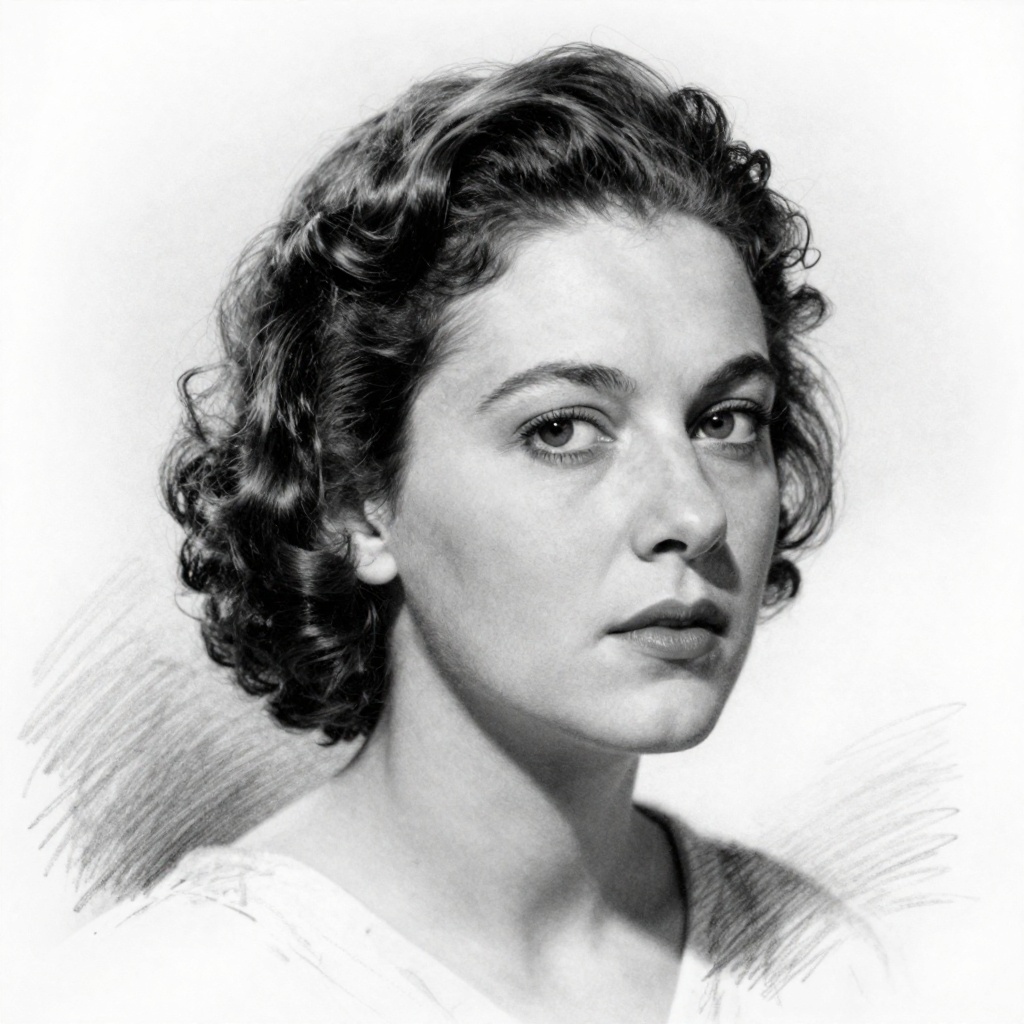
Jean Webster was an American author born on February 24, 1876, known for her novels that often focused on themes of independence and social issues. She is best remembered for her 1912 epistolary novel "Daddy-Long-Legs," which tells the story of a young orphan's journey toward self-discovery and empowerment through her education. Webster's work has had a lasting impact on children's literature and feminist literature.
Comments