Quote · Added 14 February 2026
National honor is the national property of the highest value.
James MonroeFirst Inaugural Address, 4 March 1817
No ratings yet
Quote · Added 14 February 2026
We don't talk much about national honor anymore. It sounds like something from a history textbook, a concern for presidents in powdered wigs. But Monroe was pointing at something real that still haunts modern politics: the idea that a country's reputation and trustworthiness are its most valuable assets—more than money, military power, or resources. When a government breaks promises, contradicts itself, or acts dishonorably, it doesn't just lose face. It loses the ability to lead, convince, and hold together the people who depend on it.
This matters because honor is fragile in a way wealth isn't. You can rebuild an economy. You can recover from military defeat. But once people stop believing you mean what you say, once they see inconsistency between your stated values and your actions, that fracture is extraordinarily hard to repair. It shows up in low voter turnout, in cynicism about institutions, in the willingness of citizens to tune out rather than engage.
The twist is that honor isn't abstract—it's earned through the boring consistency of keeping small promises before the big ones. It's the difference between saying you believe in something and actually living it when nobody's watching. That's true for individuals, and it's true for nations.
1758–1831·lived 73 years
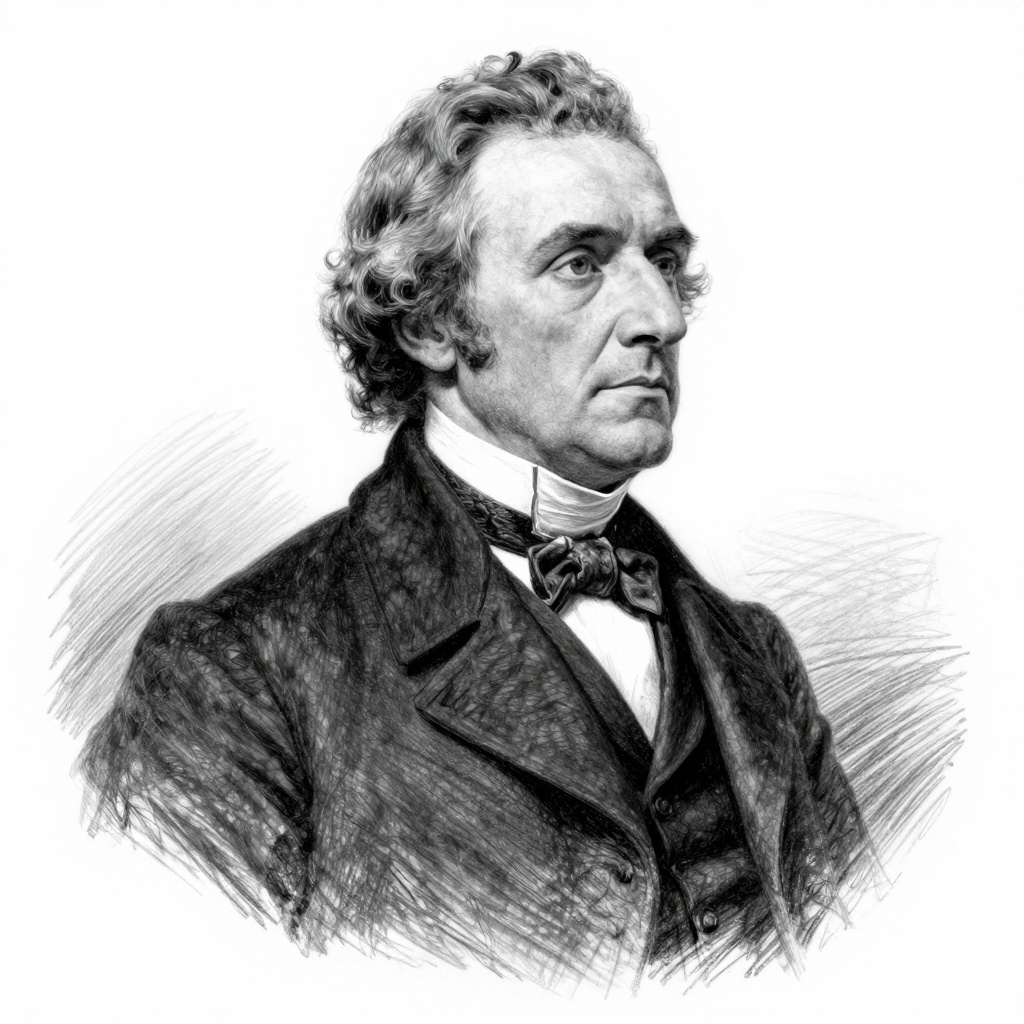
James Monroe was the fifth President of the United States, serving from 1817 to 1825. He is best known for the Monroe Doctrine, a key tenet of American foreign policy that warned European powers against further colonization in the Americas, and for his role in the acquisition of Florida from Spain. Prior to his presidency, Monroe held various political positions, including Governor of Virginia and Secretary of State.
Comments