Quote · Added 14 February 2026
The creditor hath a better memory than the debtor.
James HowellProverbs, 1659
No ratings yet
Quote · Added 14 February 2026
We all know the feeling: you borrow twenty dollars from a friend and forget about it within days, while they're silently keeping a mental ledger that never quite closes. This observation cuts right to a human truth about how we experience our own failings versus how others experience them.
The thing is, there's almost a mercy in our forgetfulness. When we owe someone something—money, time, a favor, an apology—we often move on because dwelling on it feels uncomfortable. So we do what humans naturally do: we minimize it, rationalize it, or simply let it drift to the back of our minds. But the person we're indebted to? They're reminded every time they see us, every time they think about that unresolved thing between us. It sits there, accumulated.
This matters because it reveals an uncomfortable asymmetry in how relationships actually work. We think we're being casual or easy-going by forgetting what we owe, but we're essentially asking someone else to carry the weight of remembering for both of us. The creditor's better memory isn't really about being vindictive—it's about the simple math of attention. We forget what costs us nothing to forget. They can't.
d. 1666
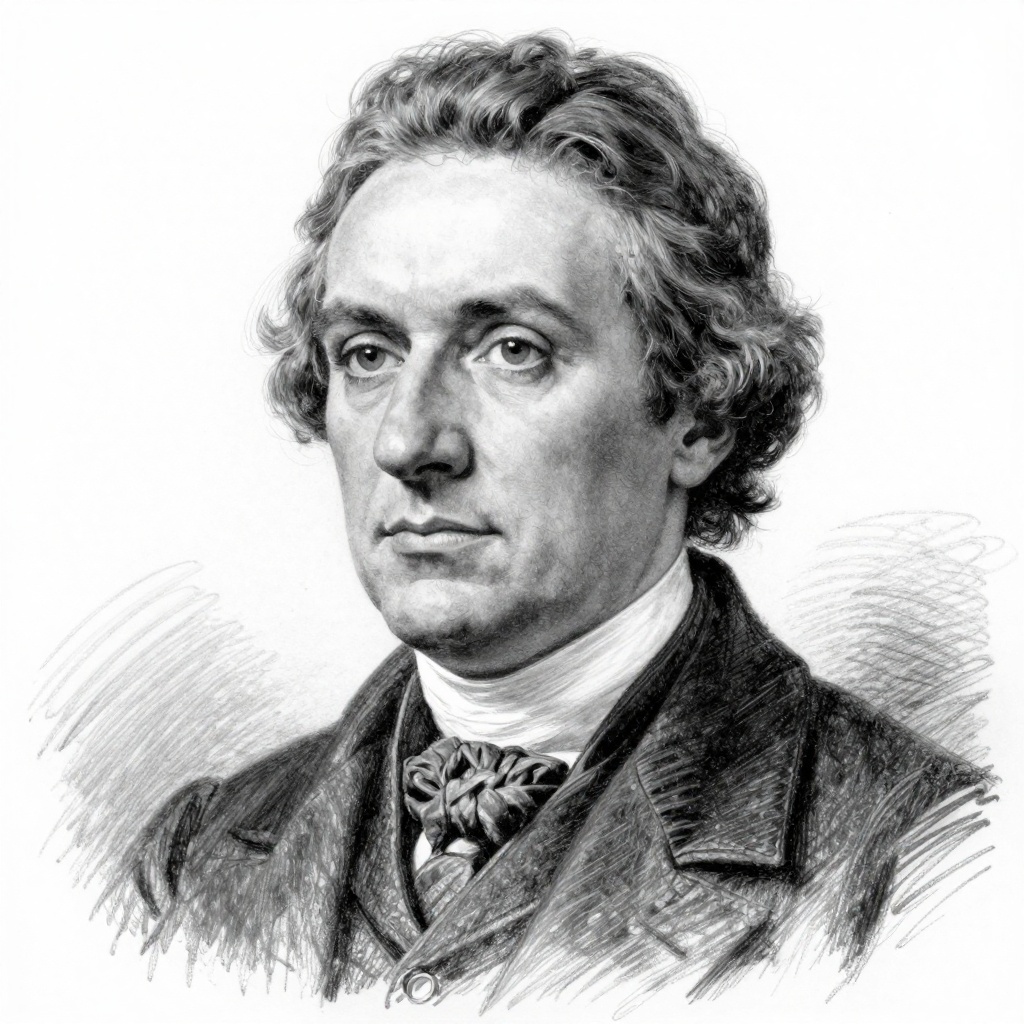
James Howell was a 17th-century English historian and writer, best known for his works on antiquarian subjects and the collection of historical narratives. He gained prominence through his writings, including "Clarencieux" and "Letters," where he explored themes of history, genealogy, and the antiquities of England. Howell's contributions to literature and historical scholarship have left a lasting impact on the study of English history.
Comments