Quote · Added 14 February 2026
It is a good idea to be alone in a garden at dawn or dark so that all its shy presences may haunt you and possess you in a reverie of suspended thought.
James DouglasThe Garden, p. 45, 1992
No ratings yet
Quote · Added 14 February 2026
There's something we've mostly forgotten in our always-lit, always-connected world: how differently we think when we're alone and the conditions are right. This quote captures that magic moment when a garden—or really any quiet outdoor space—stops being scenery and starts feeling alive. Dawn and dusk matter because they're liminal times, when the light itself seems uncertain. In that uncertainty, our usual mental chatter settles.
What's interesting is that this isn't about relaxation or mindfulness in the modern sense. Douglas isn't suggesting you sit quietly to feel better. He's talking about something more like possession—letting the place think through you rather than you thinking about it. The "shy presences" are real: a bird you almost missed, the way shadows move, the smell of damp earth. But they only haunt you if you stop performing alertness. Most of us never give ourselves permission for that kind of reverie.
The practical takeaway isn't complicated, but it requires a kind of rebellion. It means occasionally being boring on purpose. Being alone somewhere natural without your phone, without an agenda, long enough for your mind to actually shift. Even fifteen minutes before work, or in your yard after dinner, can do it. The garden—literal or figurative—is still there, still waiting to possess you. We're just usually too occupied to notice.
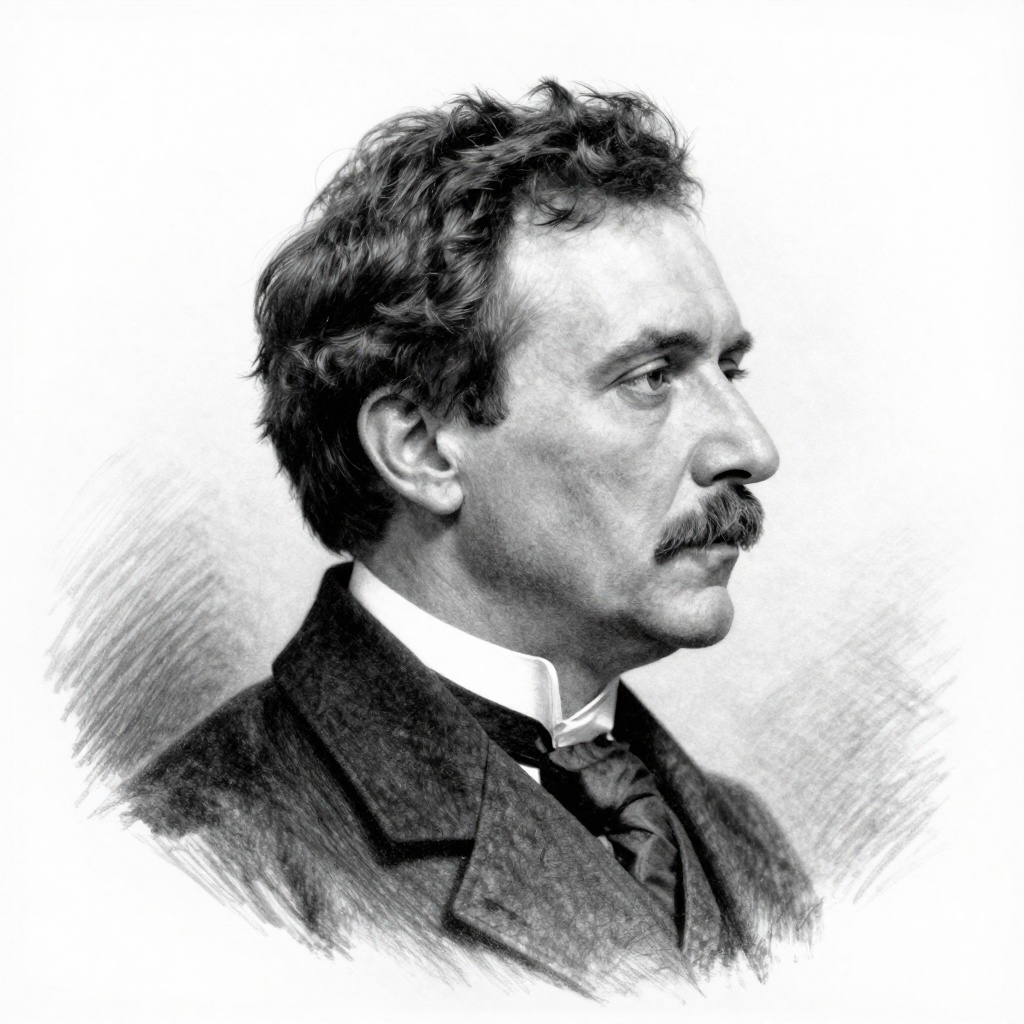
d. 1862
James Douglas was a prominent Scottish nobleman and explorer born in 1776. He is best known for his role as the Governor of the Colony of British Columbia in Canada, where he played a significant part in the development of the region during the mid-19th century. Douglas was instrumental in colonial administration and relationships with Indigenous peoples, earning a reputation as an influential figure in the establishment of British governance in the Pacific Northwest.
Comments