Quote · Added 14 February 2026
Whoever controls the volume of money in any country is absolute master of all industry and commerce.
No ratings yet
Quote · Added 14 February 2026
Money isn't really about having enough cash in your wallet—it's about who gets to decide how much money exists in the first place. When you control the supply of money itself, you control whether people can borrow, whether businesses can grow, whether prices stay stable or spiral. It's the difference between playing the game and writing the rules.
This matters more now than ever because most people feel powerless about inflation, recessions, and economic instability, yet rarely think about the actual mechanics behind these forces. Central banks adjust interest rates and print money, shaping whether your paycheck stretches further or whether your savings quietly lose value. Understanding this reveals why major economic decisions feel so divorced from what ordinary people want—because they're often made by institutions most of us can't see or influence.
The trickier insight here is that controlling money supply doesn't require owning factories or companies. It's a kind of invisible authority. You could own every business on a street, but if someone else controls whether credit flows or how much currency circulates, they ultimately have more structural power. That's why debates about central bank independence, who sits on those boards, and their accountability matter so much more than they might initially seem to.
1831–1881·lived 49 years
James A. Garfield was the 20th President of the United States, serving from March 4, 1881, until his assassination later that year. Prior to his presidency, Garfield was a prominent politician and a General in the Union Army during the Civil War. He is remembered for his advocacy of civil service reform and efforts to address issues of economic inequality.
Also by James A. Garfield
Ideas control the world.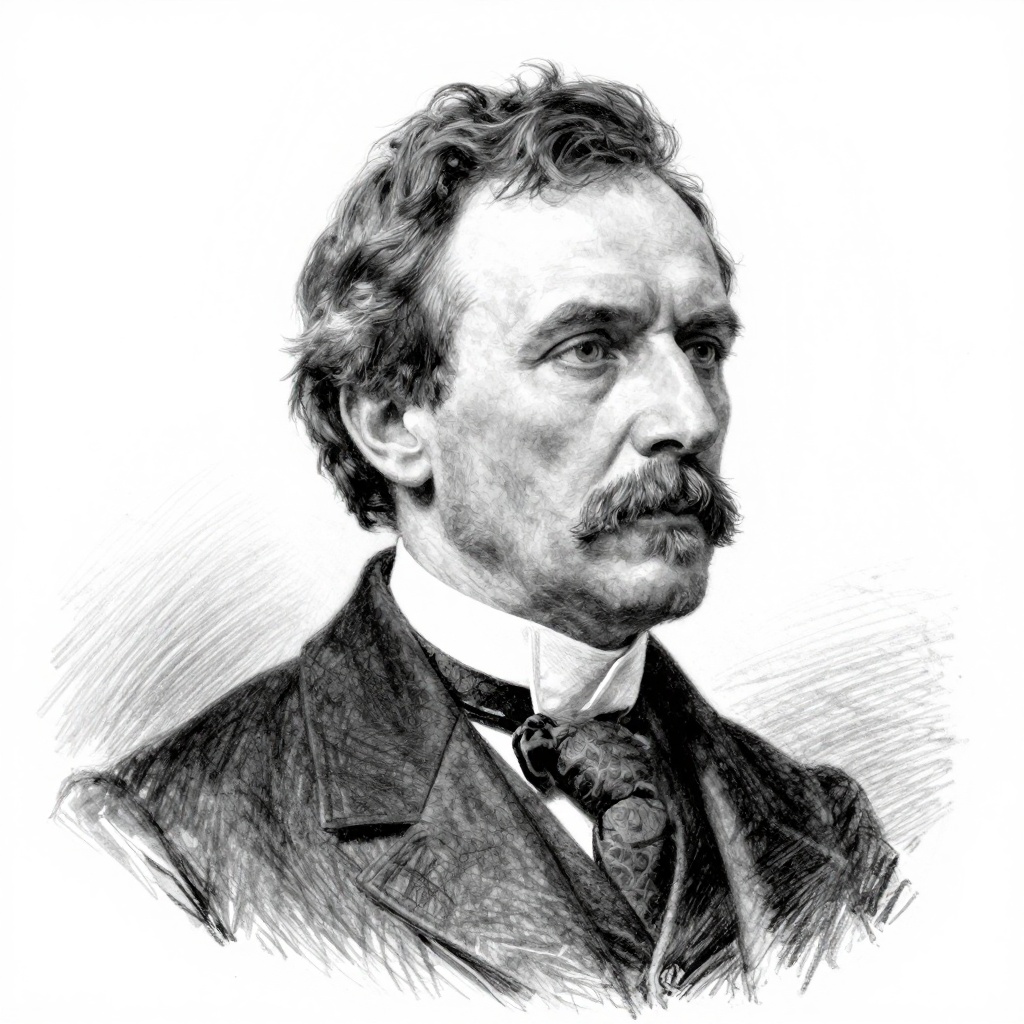
Comments