Quote · Added 24 April 2024
Life is a balance between holding on and letting go.
No ratings yet
Filed underbalance·life·acceptance
Quote · Added 24 April 2024
Filed underbalance·life·acceptance
We spend so much energy deciding what matters—which relationships to fight for, which jobs to stay in, which dreams to pursue. But the harder part is knowing when to flip that equation entirely. Most of us are either naturally clingers or natural drifters, and we rarely question whether our default setting actually serves us. The person who holds on too tightly to a failing relationship, a dead-end career, or an outdated version of themselves suffers from a different kind of loss than the person who lets go too easily.
The real tension isn't between these two poles—it's that both are necessary, sometimes at the same moment. You might need to hold firmly to your values while simultaneously releasing your grip on how you thought your life should look. You fight for the people you love while accepting you can't control their choices. You commit deeply to a project while staying loose enough to learn and adapt. This balance doesn't mean being indifferent or halfhearted. It means developing the wisdom to know which hand to tighten and which to open, sometimes switching between them mid-breath.
The exhaustion most people feel isn't actually from working hard at what matters. It's from getting the ratio wrong—spending years gripping something that's already gone, or releasing too quickly when one more day of holding on would have changed everything.
1207–1273·lived 66 years
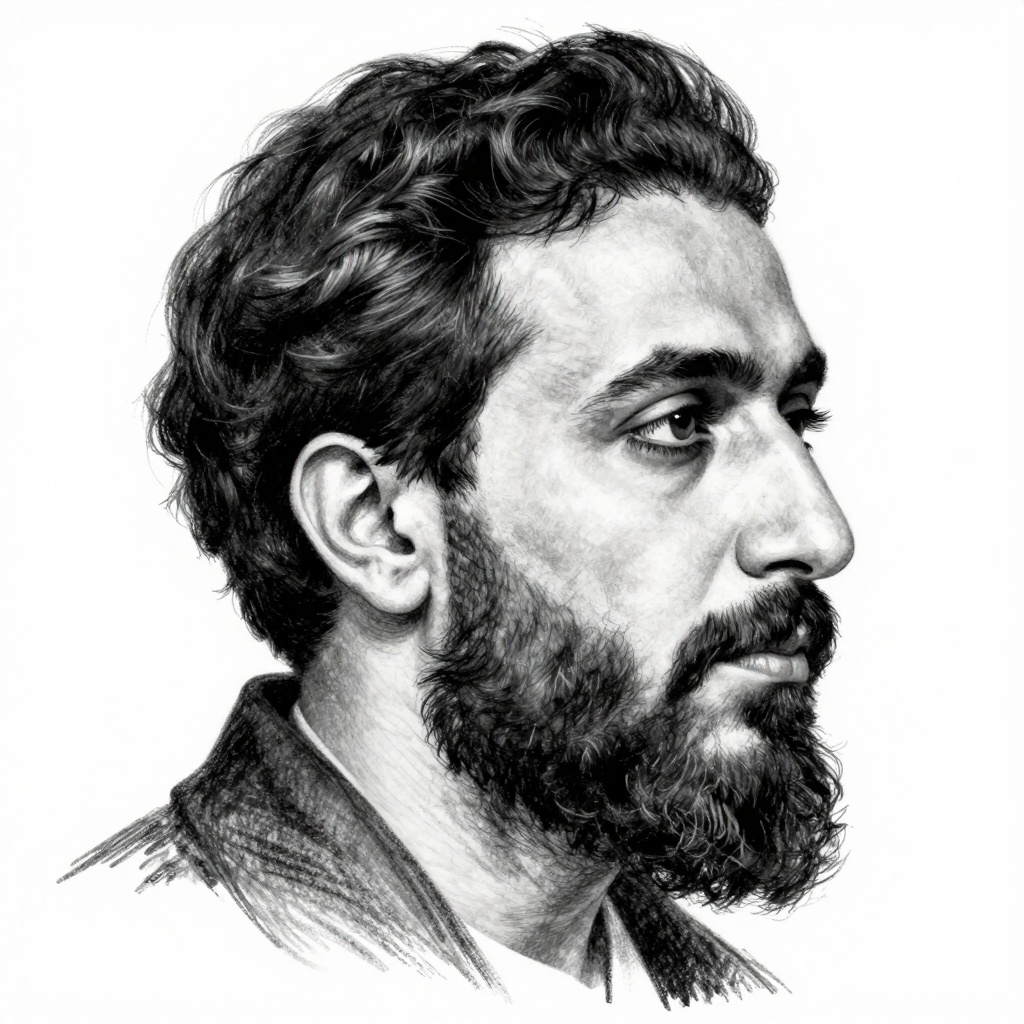
Jalal ad-Din Muhammad Rumi, commonly known as Rumi, was a 13th-century Persian poet, Islamic scholar, and Sufi mystic born on September 30, 1207, in Balkh, present-day Afghanistan. He is best known for his profound and influential poetry, particularly in his work "Masnavi," which explores themes of love, spirituality, and the nature of the divine. Rumi's writings have transcended cultural and religious boundaries, making him one of the most celebrated poets in the world.
Comments