Quote · Added 15 February 2024
Life is not always a matter of holding good cards, but sometimes, playing a poor hand well.
Filed undercards·resilience·perspective
Quote · Added 15 February 2024
Filed undercards·resilience·perspective
There's something almost liberating about this idea. Most of us spend a lot of mental energy wishing our circumstances were different—better job, better luck, better timing. We wait for the good cards to show up before we feel entitled to make a real move. But London's point cuts through that trap: the actual game isn't about what landed in front of you. It's about what you do with it.
This shows up everywhere in real life. Someone without much money but a solid plan often gets further than someone handed resources they don't know how to use. A person working a humble job who brings intention to it tends to be happier than someone in a prestigious role who's just going through the motions. The gap between success and failure, between a life that feels meaningful and one that feels stuck, isn't always about your starting position.
The slightly uncomfortable part? This shifts responsibility back onto you. You can't blame the hand you were dealt for how the game ends. But it also means something remarkable: you have more agency than you probably think. The real skill isn't getting lucky. It's paying attention, making deliberate choices, and showing up consistently—even when the situation feels stacked against you. That's actually more powerful than luck ever could be.
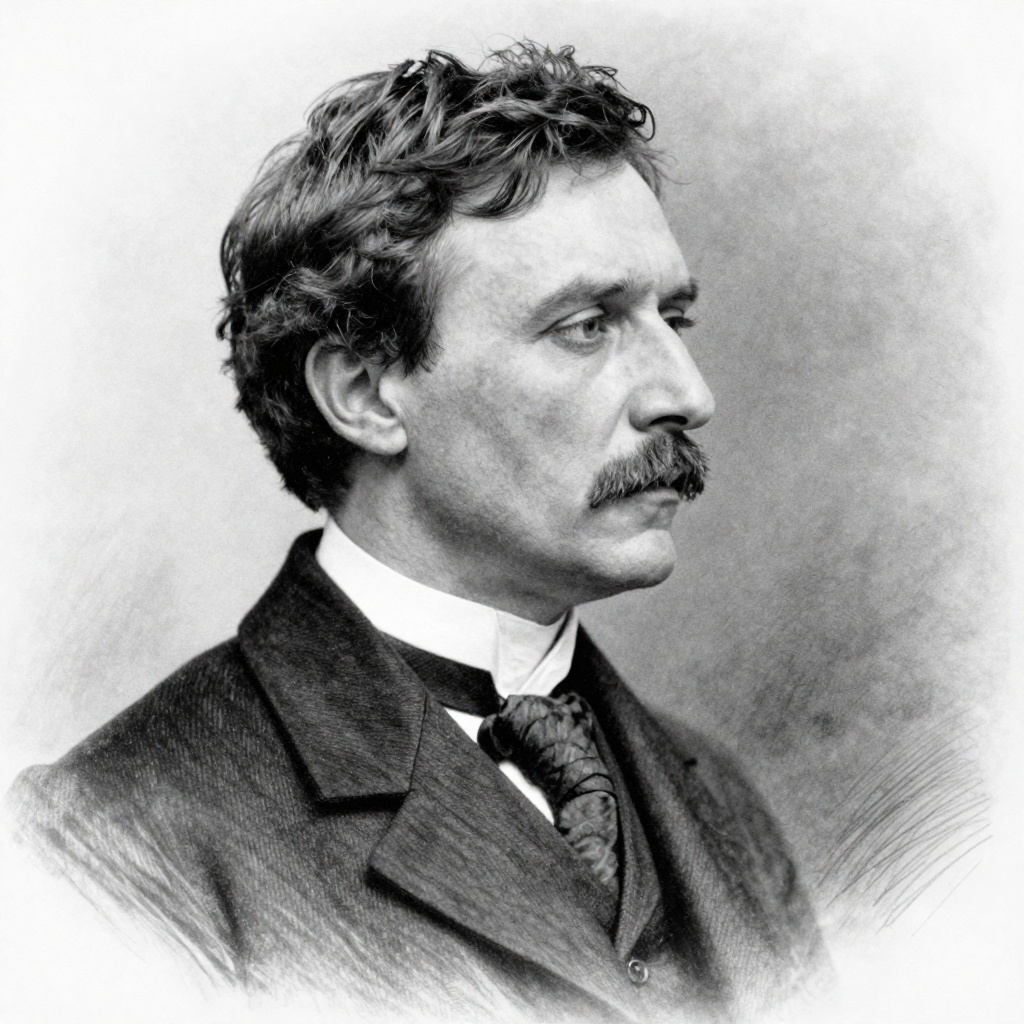
1876–1916·lived 40 years
Jack London was an American author and journalist known for his adventure novels and short stories set in the wilderness of the Yukon and California. London's most famous works include "The Call of the Wild," "White Fang," and "To Build a Fire," which often explored themes of survival, nature, and the struggles of the working class.
Comments