Quote · Added 12 June 2025
Don’t depend too much on anyone in this world because even your own shadow leaves you when you are in darkness.
Filed undershadow·dependence·solitude
Quote · Added 12 June 2025
Filed undershadow·dependence·solitude
There's something startling about this quote that hits differently depending on where you are in life. On the surface, it sounds like a warning against trust—don't get too attached, everyone will disappoint you eventually. But the real insight is quieter and more useful: the people and things that anchor us in good times aren't always available when we need them most. Your closest friend might not understand your particular crisis. Your mentor might be unavailable when doubt creeps in. Even your own competence sometimes fails you in the dark moments.
The shadow metaphor is the clever part. Shadows aren't betraying you by disappearing—they simply can't exist without light. It's not personal. This reframes loneliness from feeling like abandonment into something more like physics. When you're struggling, expecting external support to magically appear is like expecting your shadow to light your way. The real work is developing an internal compass, a sense of self that doesn't require constant external validation or rescue.
This doesn't mean isolating yourself or refusing help. It means building resilience not as armor against disappointment, but as the foundation that lets you actually receive support when it arrives. You stop exhausting yourself waiting for someone to save you, and you start becoming the kind of person who can move through dark moments—sometimes alone, sometimes with others, but fundamentally self-directed either way.
1263–1328·lived 65 years
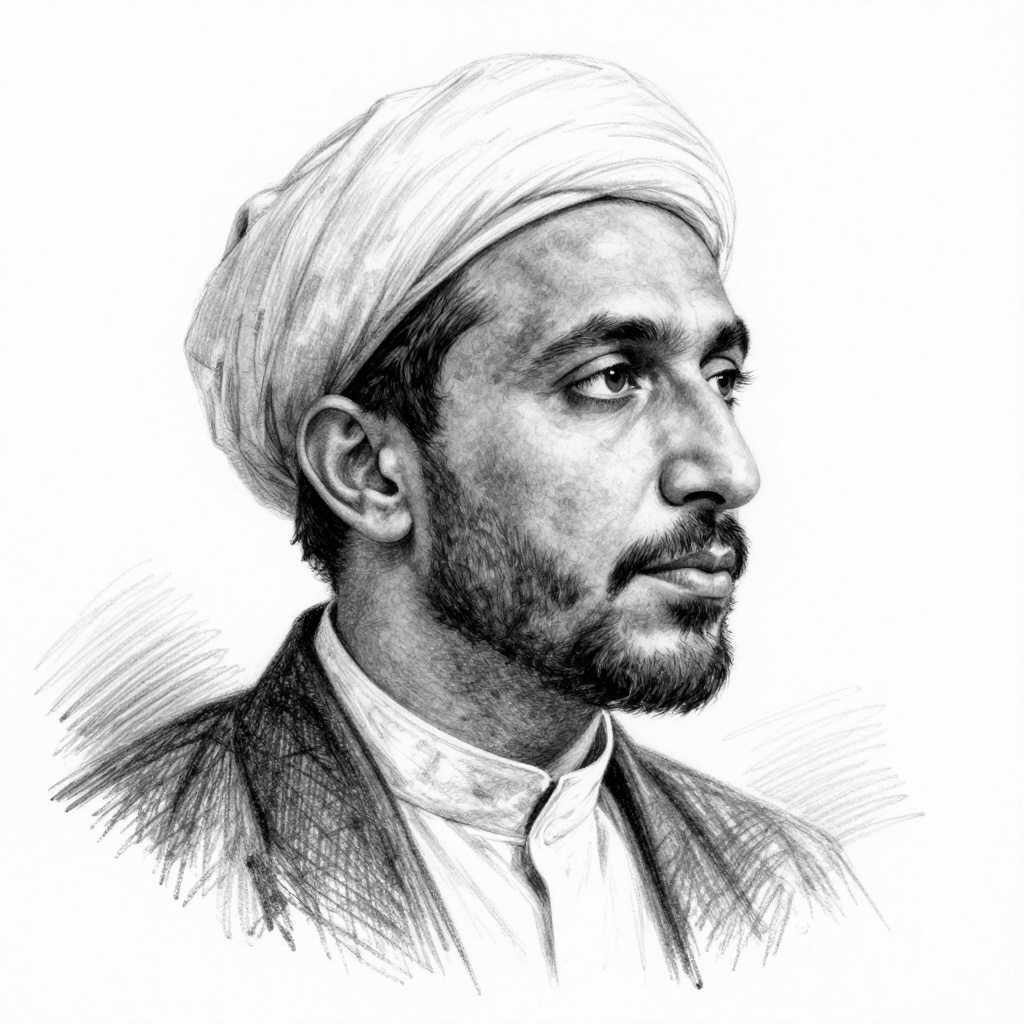
Ibn Taymiyyah (1263-1328) was an influential Islamic scholar, theologian, and jurist from Damascus, Syria. He is known for his works in Islamic theology and jurisprudence, as well as his writings on jihad, governance, and the importance of following the Quran and Sunnah strictly.
Comments