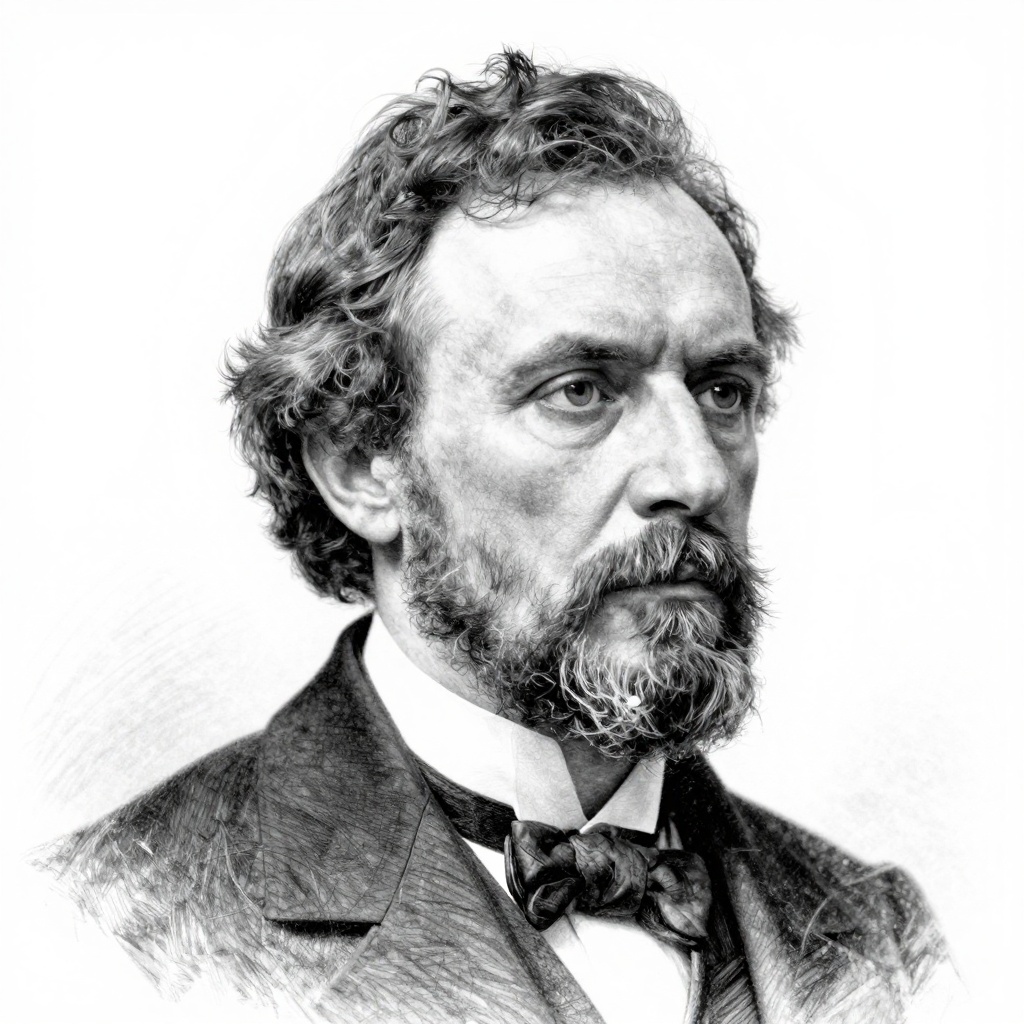
Lost - yesterday, somewhere between sunrise and sunset, two golden hours, each set with sixty diamond minutes.... — Horace Mann

Lost - yesterday, somewhere between sunrise and sunset, two golden hours, each set with sixty diamond minutes. No reward is offered, for they are gone forever.

Author: Horace Mann

Insight: We're all constantly losing time, but we almost never notice it until it's gone. Hours slip away in half-attention—scrolling, waiting, half-listening to someone talk while thinking about what's next. The sting only hits later, when you realize you can't get that afternoon back, that conversation, that walk you meant to take. Horace Mann's image of "golden hours" studded with diamond minutes does something clever: it reminds us that time isn't just a resource to manage, it's genuinely precious. Not in some abstract way, but concretely. Those two hours yesterday were real wealth. The twist is that we don't treat time like we treat actual treasure. If you lost two hundred dollars, you'd feel it immediately and deeply. But lose two hours to distraction? We barely register it. Maybe that's because money has a clear price tag and time doesn't. You can't put a number on a conversation with your kid or an hour of actual focus on something you care about. That might be why Mann says no reward is offered—you can't replace those minutes. They're not interchangeable. Once they're gone, they're gone, which means the only real choice we have is deciding what to do with the ones we have left.

Time slips away before we notice

Lost - yesterday, somewhere between sunrise and sunset, two golden hours, each set with sixty diamond minutes. No reward is offered, for they are gone forever.

We're all constantly losing time, but we almost never notice it until it's gone. Hours slip away in half-attention—scrolling, waiting, half-listening to someone talk while thinking about what's next. The sting only hits later, when you realize you can't get that afternoon back, that conversation, that walk you meant to take. Horace Mann's image of "golden hours" studded with diamond minutes does something clever: it reminds us that time isn't just a resource to manage, it's genuinely precious. Not in some abstract way, but concretely. Those two hours yesterday were real wealth.

The twist is that we don't treat time like we treat actual treasure. If you lost two hundred dollars, you'd feel it immediately and deeply. But lose two hours to distraction? We barely register it. Maybe that's because money has a clear price tag and time doesn't. You can't put a number on a conversation with your kid or an hour of actual focus on something you care about. That might be why Mann says no reward is offered—you can't replace those minutes. They're not interchangeable. Once they're gone, they're gone, which means the only real choice we have is deciding what to do with the ones we have left.

AI generated

Comments

Sign in to leave a comment or reply to one.

Sign in

Horace Mann

Horace Mann was an American education reformer and politician known as the "Father of the Common School Movement." He dedicated his career to advocating for free public education for all children. Mann played a significant role in shaping the education system in the United States during the 19th century.

Graph

Related