Quote · Added 14 February 2026
Reading
AI generatedWhen shortcuts become the plan
There's something useful in recognizing the moment you start looking for shortcuts. Not the occasional tax deduction or the side hustle—but when your actual focus shifts from making something valuable to just extracting value. That internal turning point matters because it usually precedes the decisions you'll genuinely regret.
What makes this quote hold up is that it captures something about self-awareness we mostly avoid. We can rationalize almost anything: the small theft, the scheme that's "everyone does it," the confidence game. But there's often a moment before any of those where you know, actually know, that you're choosing the wrong door. That moment of clarity—that's the darkest hour Greeley meant. Not the consequences afterward, but the second you decide to pursue easy money instead of real work.
The interesting part is that this isn't really about morality in the preachy sense. It's about what happens to you internally when you prioritize extraction over creation. People who chase money without earning it tend to become smaller versions of themselves, more anxious, more dependent on the scheme working out. Whereas people who focus on making something or providing something real—even if they earn less initially—tend to feel more solid. That difference in how you feel about yourself might matter more than you'd think.
The author
All 2 quotes by Horace Greeley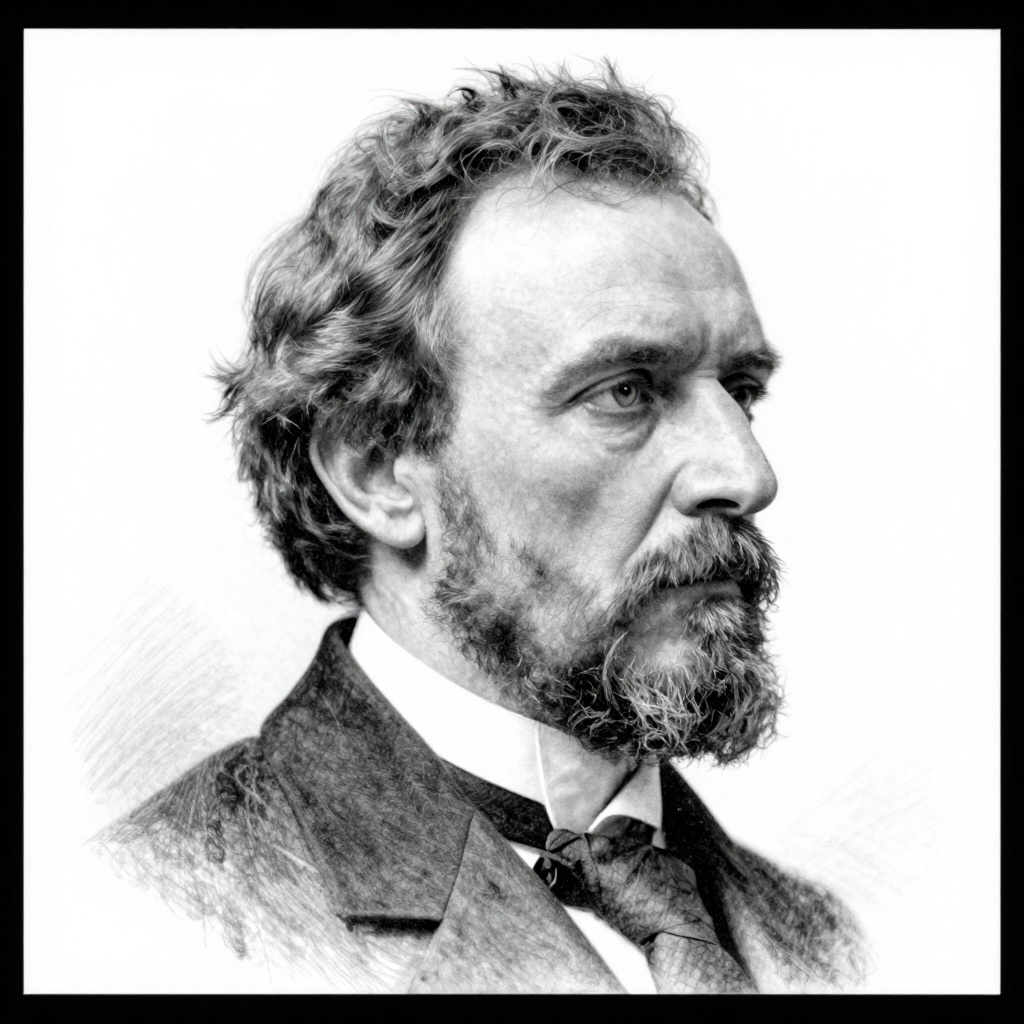
Horace Greeley
1811–1872·lived 61 years
Horace Greeley (1811-1872) was an American newspaper editor and politician, best known for founding the influential New-York Tribune in 1841. A strong advocate for social reform, he promoted causes such as abolitionism, women's rights, and westward expansion, famously encouraging Americans to "Go West, young man!" Greeley also ran for president in 1872 as the candidate for the Liberal Republican Party but was defeated.
Comments