Quote · Added 17 February 2026
Reading
AI generatedWhen passion stops you from hearing
When you're genuinely passionate about something—a project, a relationship, a cause—you often can't hear the reasonable objections around you. You're deaf to the voice suggesting you're working too hard, spending too much, or chasing something impractical. And you're dumb in the sense that you can't easily articulate why you care so much. It just burns, and that's enough.
This matters because passion gets romanticized as this perfect guide to a meaningful life. But Balzac's observation points to something uncomfortable: the same intensity that drives real accomplishment can also blind you to real problems. The entrepreneur who can't hear warnings about cash flow. The artist who dismisses all criticism. The person in an unhealthy relationship who can't admit what's obvious to everyone else. Passion doesn't come with automatic wisdom built in.
The trick isn't to kill the passion—that would drain life of its juice. It's to stay aware that passion is supposed to make you a little unreasonable, and to consciously check in with people you trust who aren't caught in the same current. The best outcomes often come when someone passionate finally learns to listen without losing their fire.
The author
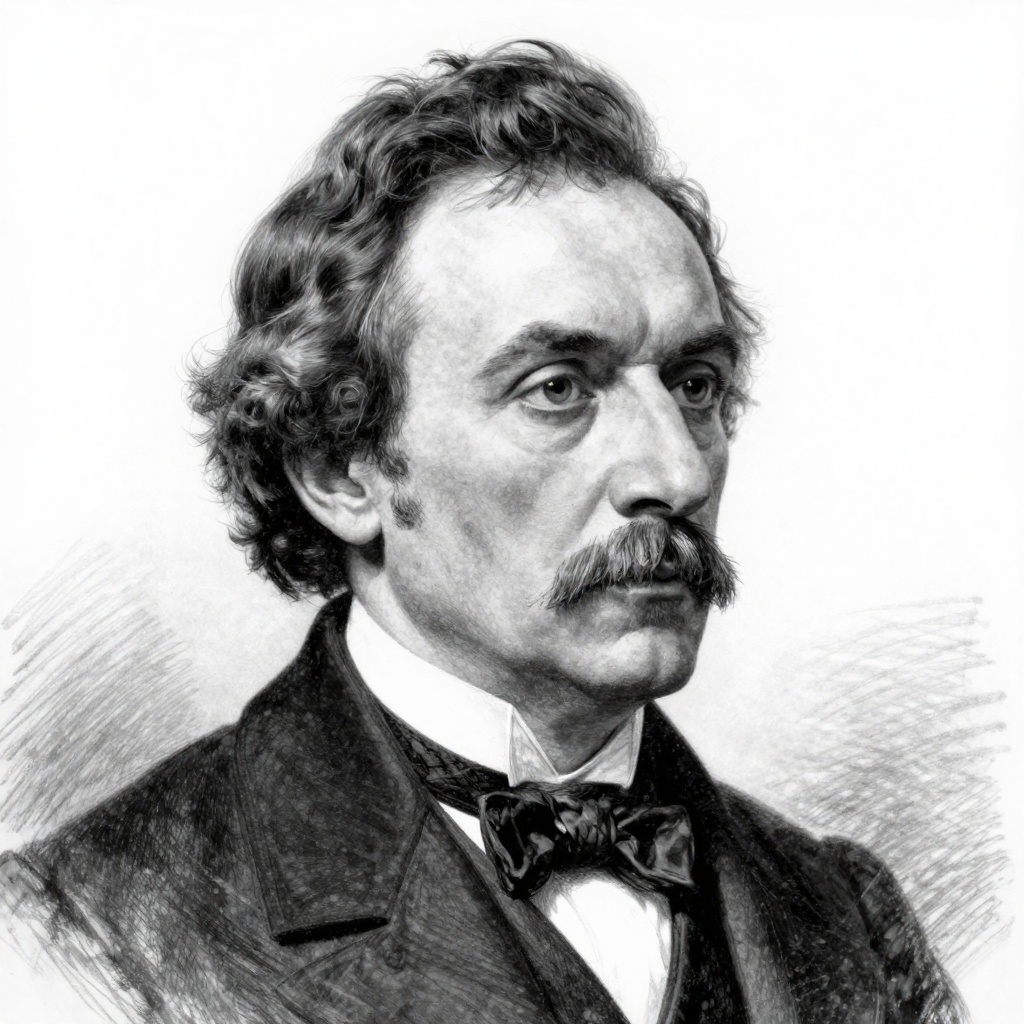
Honoré de Balzac
1799–1850·lived 51 years
Honoré de Balzac was a French novelist and playwright, born on May 20, 1799, in Tours, France. He is best known for his series of novels and stories, collectively titled "La Comédie Humaine," which offers a detailed and vivid portrayal of French society in the first half of the 19th century. Balzac's keen observations and character-driven narratives have made him a seminal figure in the literary movement of realism.
Comments