Quote · Added 14 February 2026
Wise to resolve, and patient to perform.
HomerThe Odyssey, Book 4
Quote · Added 14 February 2026
There's a particular kind of person who talks endlessly about what they're going to do—the diet they're starting Monday, the book they're finally writing, the conversation they need to have. They've got resolution down. But somewhere between deciding and doing, momentum dies. They get distracted, discouraged, or just exhausted by the gap between intention and reality.
Homer's pairing of these two qualities is quietly genius because they're not the same thing at all. Being wise to resolve means you actually think something through before committing—you don't just bounce from one impulse to the next. But patience to perform is something else entirely. It's the willingness to show up day after day when the initial excitement has worn off, when progress feels invisible, when you'd rather be doing literally anything else.
The real insight is that your ability to follow through often matters more than the quality of your initial idea. Most of us overestimate what we'll accomplish in a week and underestimate what we can do in a year, but only if we stick around. Patience to perform isn't about being laid-back or passive—it's about the stubborn commitment to keep going when the work gets boring or hard or slower than you hoped.
Homer was an ancient Greek poet traditionally said to be the author of the epic poems "The Iliad" and "The Odyssey," which are cornerstones of Western literature. He is believed to have lived in the 8th or 7th century BCE, though little is known about his life. Homer's works are celebrated for their exploration of heroism, honor, and the human condition, and they have had a profound influence on storytelling and literature throughout history.
Also by Homer
One omen is the best: to defend your country.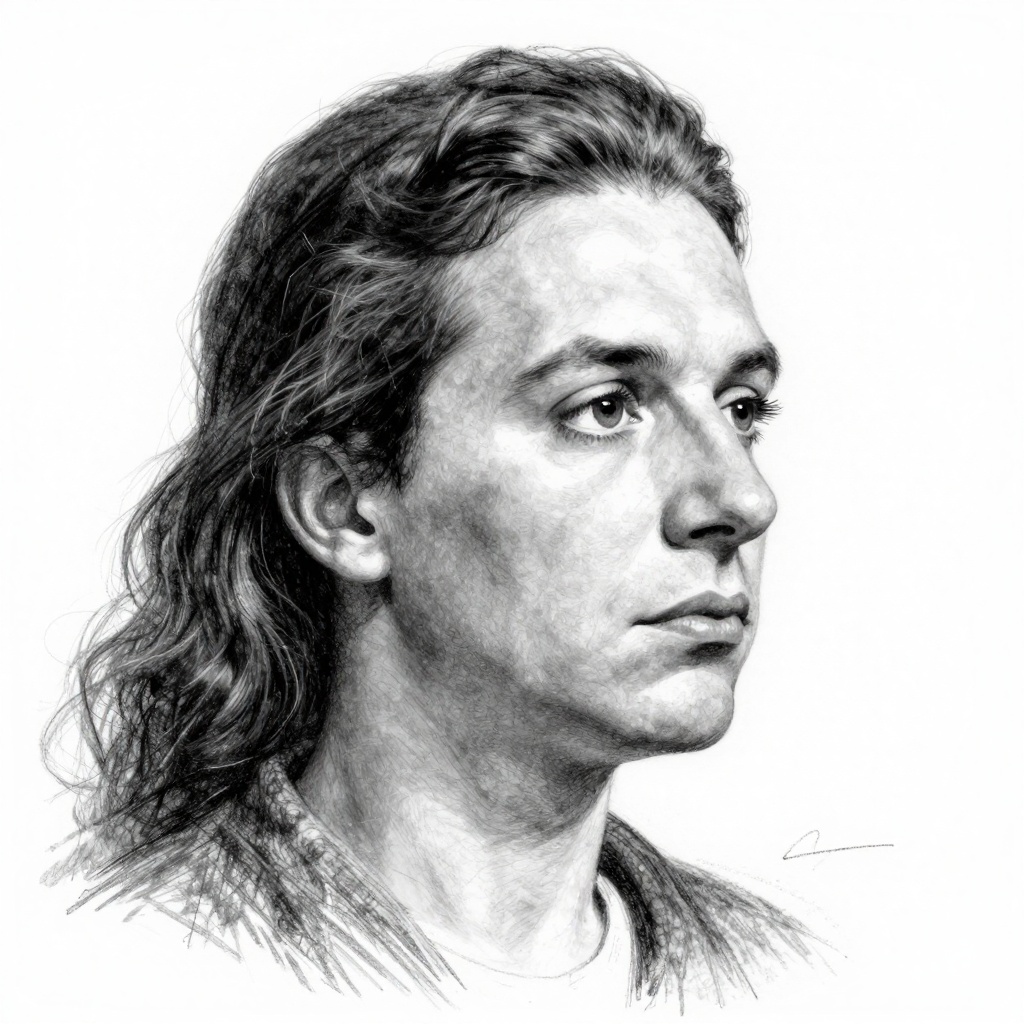
Comments