Quote · Added 14 February 2026
Reading
AI generatedWhen nature stops being a backdrop
There's something almost defiant about calling the sky's gaze "loving" when you consider how indifferent weather actually feels. Rain ruins your plans. Heat exhausts you. Cold stings. And yet Stanley's image suggests that maybe we're the ones creating the distance. We treat the natural world as something happening to us rather than something we're held within.
The real insight here isn't that the sky is literally sentient or kind. It's that our relationship with nature shifts the moment we stop seeing it as a backdrop and start seeing it as company. When you're outside and notice light breaking through clouds, or feel warmth after days of cold, there's a small but real experience of being acknowledged by the world. It's not mystical—it's more like recognizing that you've always been part of something larger, and that changes how you move through it.
This matters now because we've built lives so insulated from natural rhythms that we've forgotten how to feel met by them. But people who pause long enough to actually notice the weather, the seasons, the simple fact of being alive under a sky, report something that sounds a lot like the feeling Stanley describes. It's less about the sky's feelings and more about ours finally catching up to where we actually are.
The author
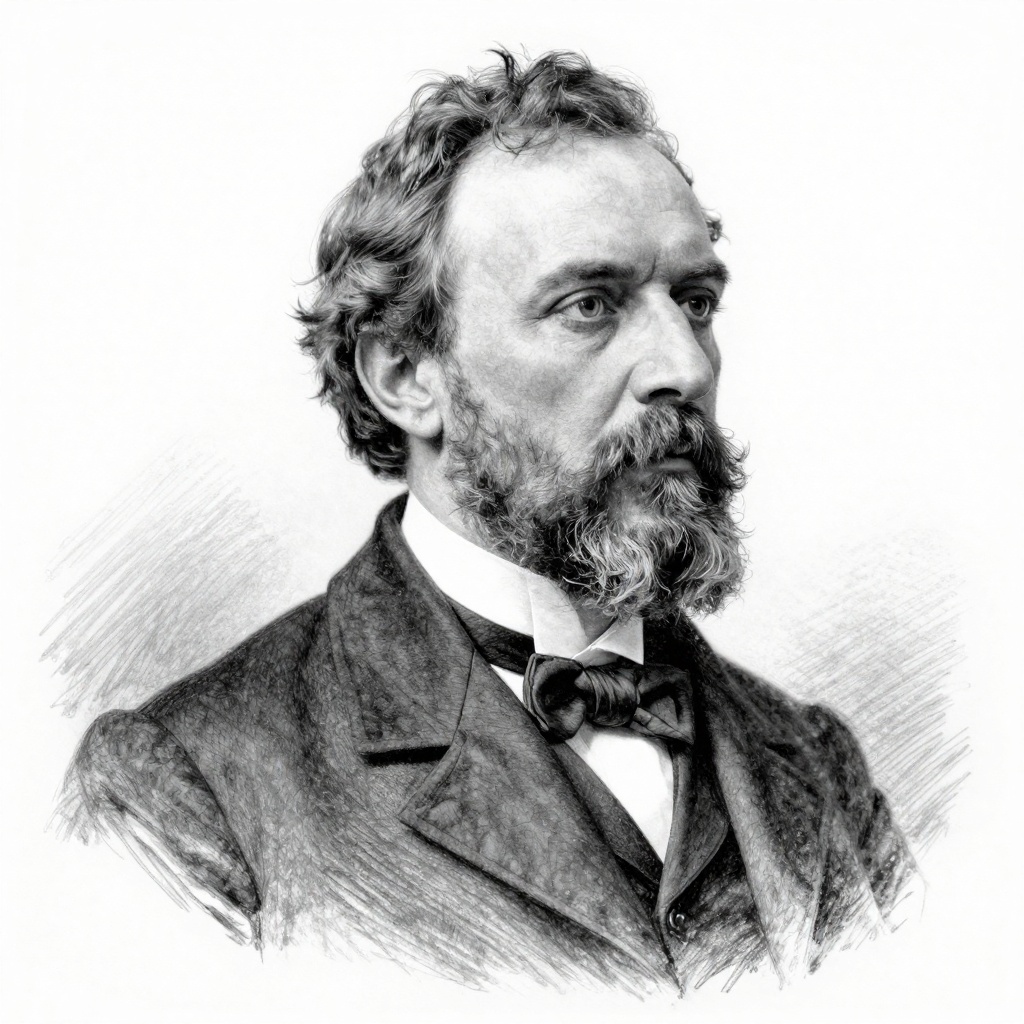
Henry Morton Stanley
1841–1904·lived 63 years
Henry Morton Stanley was a Welsh-American explorer and journalist, best known for his exploration of Africa in the late 19th century. He gained prominence for his expedition to find the missionary and explorer Dr. David Livingstone, famously greeting him with the words, "Dr. Livingstone, I presume?" Stanley is also known for his controversial role in the colonization of the Congo and his work in mapping uncharted territories of the continent.
Comments