Everything is ephemeral, fleeting, and transitory; this is both the beauty and the tragedy of life. — Henri-Frédéric Amiel

Everything is ephemeral, fleeting, and transitory; this is both the beauty and the tragedy of life.

Author: Henri-Frédéric Amiel

Insight: We spend enormous energy trying to hold on to things—a good mood, a job title, a relationship that feels solid. But the truth is that nothing sticks around. Your favorite phase of life will end. That person you depend on won't always be available. Even your current problems, which feel permanent, are already shifting. Most people find this thought depressing at first. But there's something liberating hiding inside it. The fleeting nature of things cuts both ways. Yes, it means loss is guaranteed—joy fades, people leave, opportunities close. But it also means that whatever is hurting you right now has an expiration date. The anxiety that kept you up last night won't define you next year. This temporary quality is what makes moments actually matter. If everything lasted forever, nothing would feel precious. We'd scroll through experiences the way we scroll through apps, never really present because there'd be infinite time to show up later. The real skill, then, isn't trying to freeze moments or extend what can't be extended. It's learning to recognize beauty precisely because it doesn't last. It's being attentive now, not because you can keep this forever, but because you can't. That paradox—that transience creates meaning—is maybe the most honest thing we can understand about being alive.
Loss and meaning are the same thing

Everything is ephemeral, fleeting, and transitory; this is both the beauty and the tragedy of life.

We spend enormous energy trying to hold on to things—a good mood, a job title, a relationship that feels solid. But the truth is that nothing sticks around. Your favorite phase of life will end. That person you depend on won't always be available. Even your current problems, which feel permanent, are already shifting. Most people find this thought depressing at first. But there's something liberating hiding inside it.

The fleeting nature of things cuts both ways. Yes, it means loss is guaranteed—joy fades, people leave, opportunities close. But it also means that whatever is hurting you right now has an expiration date. The anxiety that kept you up last night won't define you next year. This temporary quality is what makes moments actually matter. If everything lasted forever, nothing would feel precious. We'd scroll through experiences the way we scroll through apps, never really present because there'd be infinite time to show up later.

The real skill, then, isn't trying to freeze moments or extend what can't be extended. It's learning to recognize beauty precisely because it doesn't last. It's being attentive now, not because you can keep this forever, but because you can't. That paradox—that transience creates meaning—is maybe the most honest thing we can understand about being alive.

AI generated

Comments

Sign in to leave a comment or reply to one.

Sign in

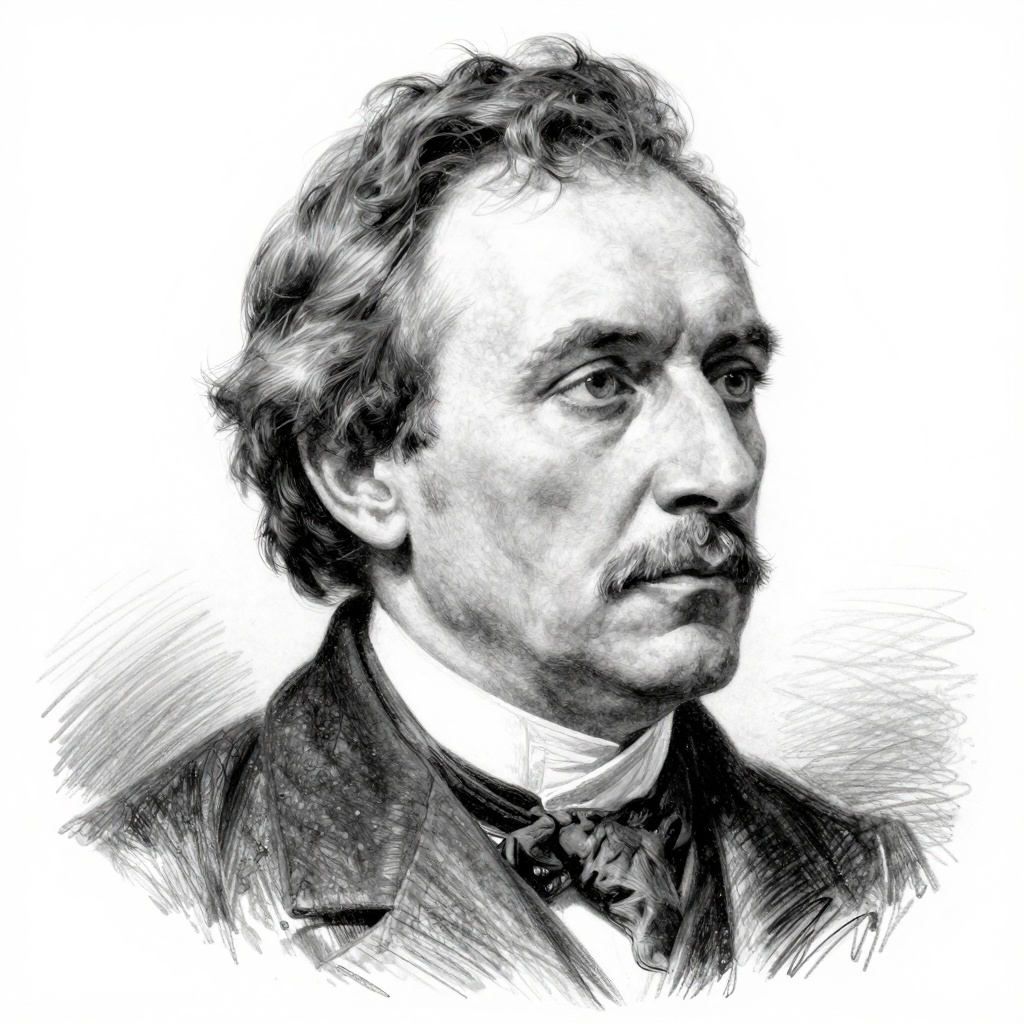
Henri-Frédéric Amiel

Henri-Frédéric Amiel (1821–1881) was a Swiss philosopher, poet, and critic known for his introspective thoughts and reflections. He is best known for his journal, "Journal Intime," in which he explored existential questions, the nature of happiness, and the complexities of life.

Graph

Related