Quote · Added 14 February 2026
I grew up like a neglected weed - ignorant of liberty, having no experience of it.
Harriet TubmanThe Life and the Life Stories, p. 45, 2004
No ratings yet
Quote · Added 14 February 2026
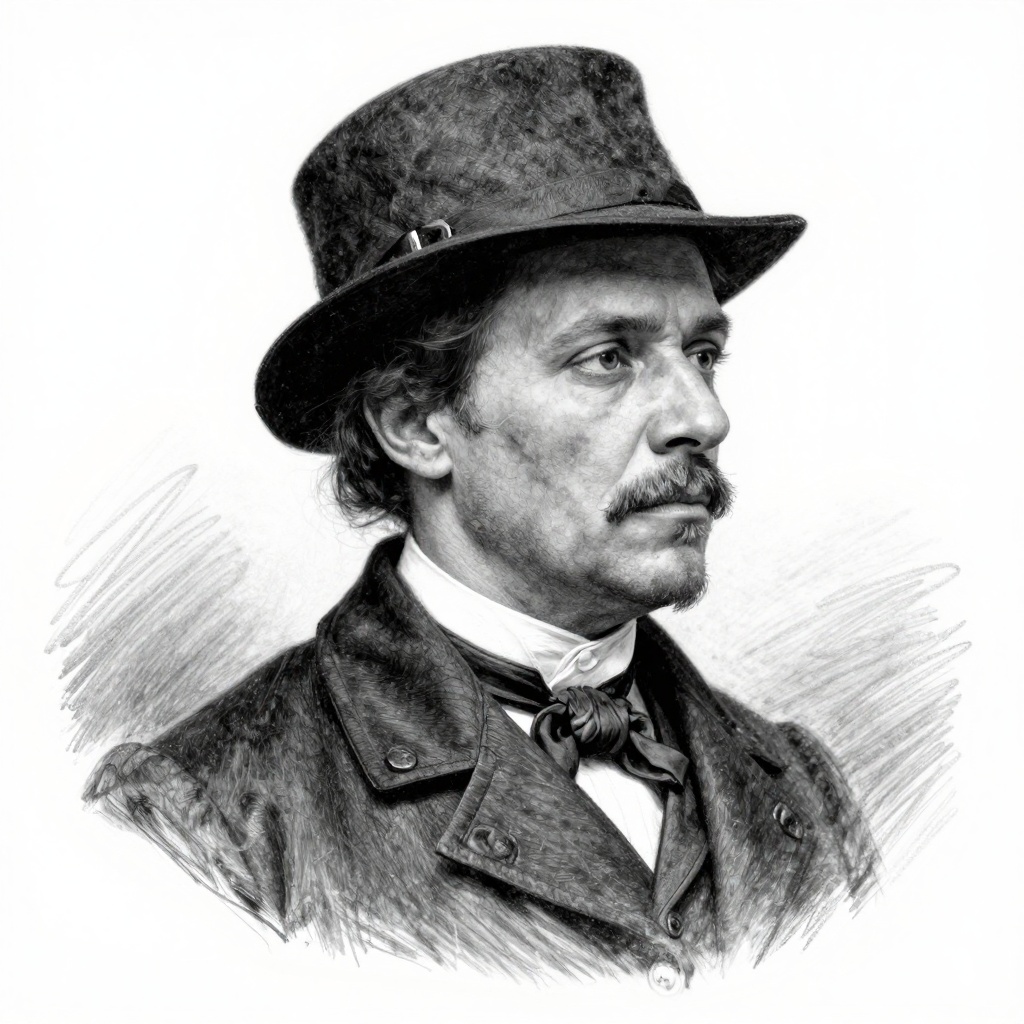
There's something both heartbreaking and defiant in this image. Tubman isn't just saying she was born into slavery—she's describing a kind of deprivation that goes deeper than chains. You can't miss something you've never known exists. A weed grows wild but blind to what wildflowers experience. That's the particular cruelty of her childhood: freedom wasn't taken from her because it was never even a concept she could hold.
What makes this oddly relevant now is how it echoes in modern life in subtler ways. We all grow up shaped by invisible boundaries—by what our families assume is possible, by the unexamined limits of our circumstances. Many people spend years not realizing they could change careers, set boundaries, or leave situations because they simply hadn't experienced the alternative. The weed doesn't know it could be planted in a garden.
The power in Tubman's words comes from what comes after this admission: she escaped anyway. She didn't need to have known liberty first. Somehow, despite that deprivation, she imagined it and reached for it. That gap between never having experienced something and achieving it anyway—that's where her particular kind of courage lives.
1822–1913·lived 91 years
Harriet Tubman was an American abolitionist and political activist born around 1822 in Maryland. She is best known for her role as a conductor on the Underground Railroad, where she led numerous enslaved people to freedom, and for her work as a nurse and spy during the Civil War. Tubman's courageous efforts have made her an enduring symbol of resistance against slavery and the fight for civil rights.
Comments