Quote · Added 14 February 2026
A ruler makes use of the majority and neglects the minority, and so he does not devote himself to virtue but to law.
No ratings yet
Quote · Added 14 February 2026
Most leaders learn early that pleasing everyone is impossible, so they optimize for the majority—the loudest voices, the biggest voting blocs, the mainstream consensus. It feels efficient. It feels democratic. But Han Fei saw something troubling in this math: when you're constantly managing the many, you stop asking what's actually right. You follow the rules that keep the peace. You do what polls well. Virtue—that harder, lonelier work of doing what's genuinely good rather than what's merely acceptable—gets crowded out.
This tension shows up everywhere, not just in politics. A manager who only listens to her most vocal team members misses the quiet person with the best idea. A social media platform optimizing for engagement neglects the minority being harmed by its algorithms. Even in your own life, prioritizing whatever keeps most people comfortable can mean abandoning your actual values.
The insight isn't that majorities are wrong or that minorities always know better. It's that there's a real cost to pure majoritarianism: you drift from principle into mere administration. You become very good at keeping the system running smoothly while becoming slowly indifferent to whether the system is actually just.
d. 233
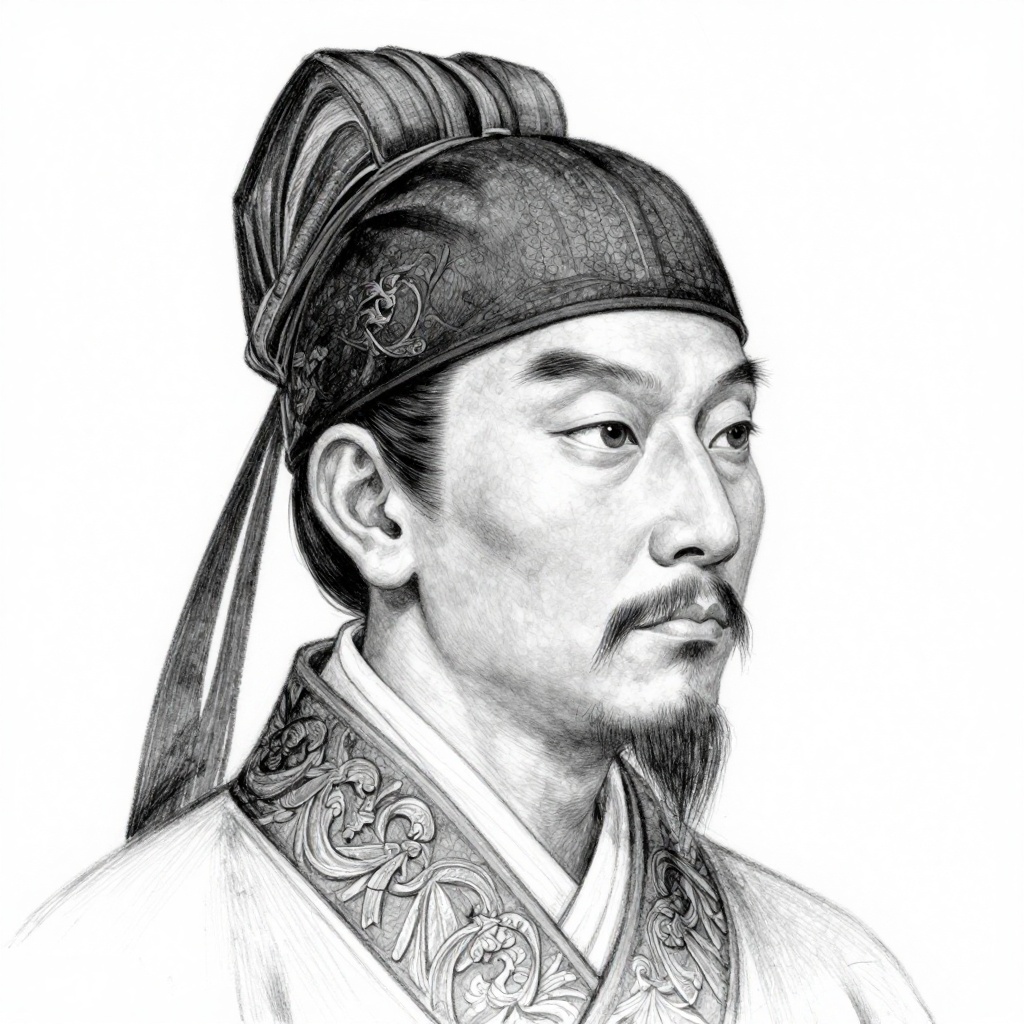
Han Fei was an ancient Chinese philosopher and writer, born around 280 BCE in the state of Han. He is best known as a major figure in Legalism, a political philosophy that emphasizes the importance of law and order, suggesting that strict laws and harsh punishments are essential for maintaining social stability. His influential works, particularly the "Han Feizi," outline his theories on governance and play a critical role in Chinese political thought.
Comments