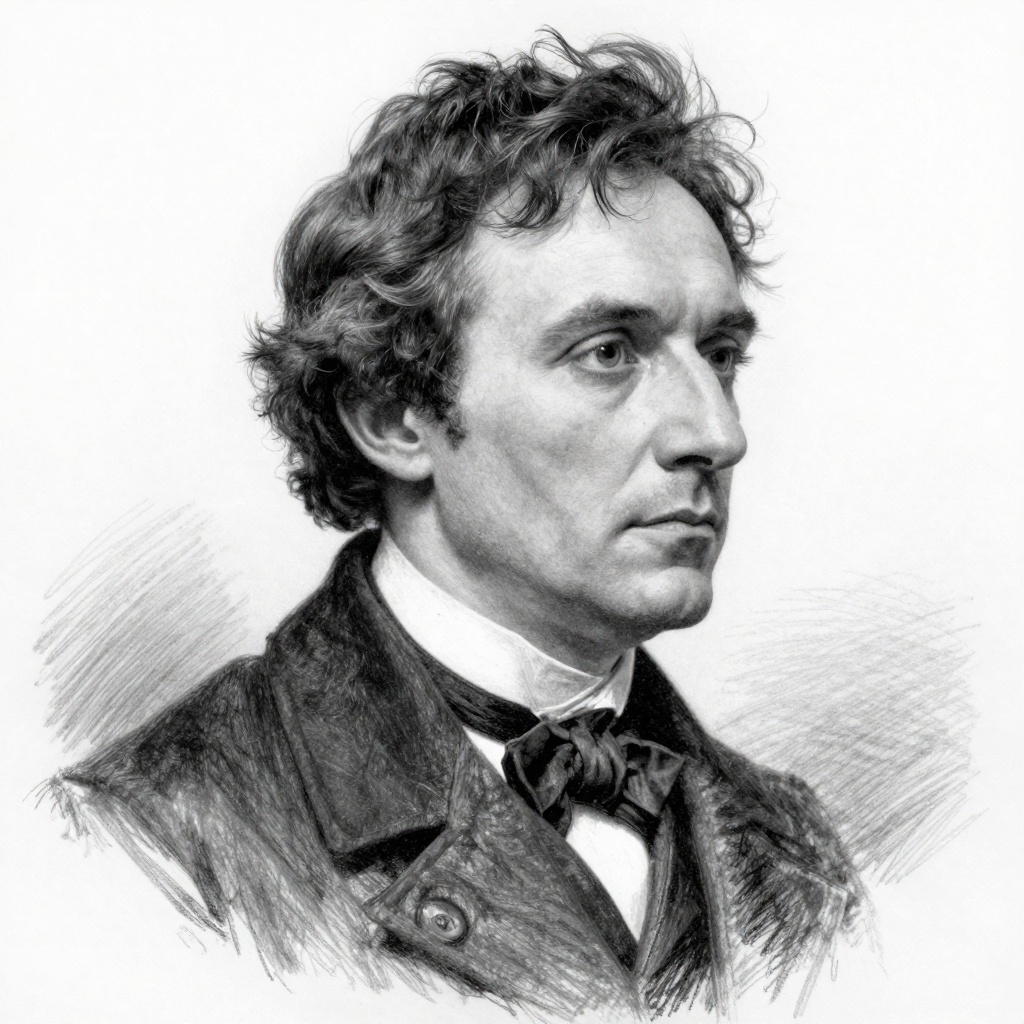
To be stupid, selfish, and have good health are three requirements for happiness, though if stupidity is lacki... — Gustave Flaubert

To be stupid, selfish, and have good health are three requirements for happiness, though if stupidity is lacking, all is lost.

Author: Gustave Flaubert

Insight: Flaubert's barb cuts deeper than it first appears. He's not really saying you need to be dumb to be happy—he's pointing at something we all recognize: the exhausting burden of self-awareness. Smart people tend to see too many angles, anticipate too many problems, notice every crack in the façade. They're the ones lying awake wondering if they said something awkward three years ago. There's real wisdom hidden in the provocation. The happiest people often aren't the brightest; they're the ones who can let things go without endlessly analyzing them. They don't spiral into what-ifs. They don't second-guess their choices into paralysis. A certain kind of mental simplicity—not actual stupidity, but the ability to stop thinking—is genuinely protective. It's why rumination and intelligence often travel together, and why overthinking can feel like a curse. But here's the twist: Flaubert seems to be warning his fellow intellectuals that awareness itself might be the real problem. If you're the type who can't turn off the critical mind, who always sees the irony in things, who questions everything including your own happiness—well, you've already lost the game before it started. Sometimes the price of understanding everything is the inability to simply be happy with anything.

The curse of seeing too much

To be stupid, selfish, and have good health are three requirements for happiness, though if stupidity is lacking, all is lost.

Flaubert's barb cuts deeper than it first appears. He's not really saying you need to be dumb to be happy—he's pointing at something we all recognize: the exhausting burden of self-awareness. Smart people tend to see too many angles, anticipate too many problems, notice every crack in the façade. They're the ones lying awake wondering if they said something awkward three years ago.

There's real wisdom hidden in the provocation. The happiest people often aren't the brightest; they're the ones who can let things go without endlessly analyzing them. They don't spiral into what-ifs. They don't second-guess their choices into paralysis. A certain kind of mental simplicity—not actual stupidity, but the ability to stop thinking—is genuinely protective. It's why rumination and intelligence often travel together, and why overthinking can feel like a curse.

But here's the twist: Flaubert seems to be warning his fellow intellectuals that awareness itself might be the real problem. If you're the type who can't turn off the critical mind, who always sees the irony in things, who questions everything including your own happiness—well, you've already lost the game before it started. Sometimes the price of understanding everything is the inability to simply be happy with anything.

AI generated

Comments

Sign in to leave a comment or reply to one.

Sign in

Gustave Flaubert

Gustave Flaubert was a renowned French novelist known for his masterpiece "Madame Bovary," which is considered a seminal work of literary realism. His meticulous approach to writing and dedication to capturing the complexities of human emotions and society had a profound influence on the development of the modern novel.

Graph

Related