Quote · Added 7 April 2024
Do not read, as children do, to amuse yourself, or like the ambitious, for the purpose of instruction. No, read in order to live.
Gustave FlaubertLetter to Mlle de Chantepie, June 1875
No ratings yet
Quote · Added 7 April 2024
Most of us read for practical reasons—to learn something, pass a test, or kill time on our commute. But Flaubert is pointing at something quieter and stranger: that reading can actually be a form of living itself, not just a break from living. When you're genuinely absorbed in a book, you're not stepping outside your life. You're expanding it. You're feeling what another person felt, seeing through their eyes, holding their dilemmas in your mind as if they're your own.
The tricky part is that this kind of reading can't be forced or rushed. It happens when you pick up something because you're genuinely curious, not because it's supposed to be good for you or make you sound smart. It requires the rarest thing these days: permission to read without an agenda. That's why people who say they "don't have time to read" often mean they don't have time to read like this—unhurried, just for the sake of being more alive in that moment.
What Flaubert understood is that books aren't ornaments in a life well-lived. They're part of the texture of living itself. The question isn't whether you should read more. It's whether you can find time to read in a way that actually feeds you rather than optimizes you.
1821–1880·lived 58 years
Gustave Flaubert was a renowned French novelist known for his masterpiece "Madame Bovary," which is considered a seminal work of literary realism. His meticulous approach to writing and dedication to capturing the complexities of human emotions and society had a profound influence on the development of the modern novel.
Also by Gustave Flaubert
The art of writing is the art of discovering what you believe.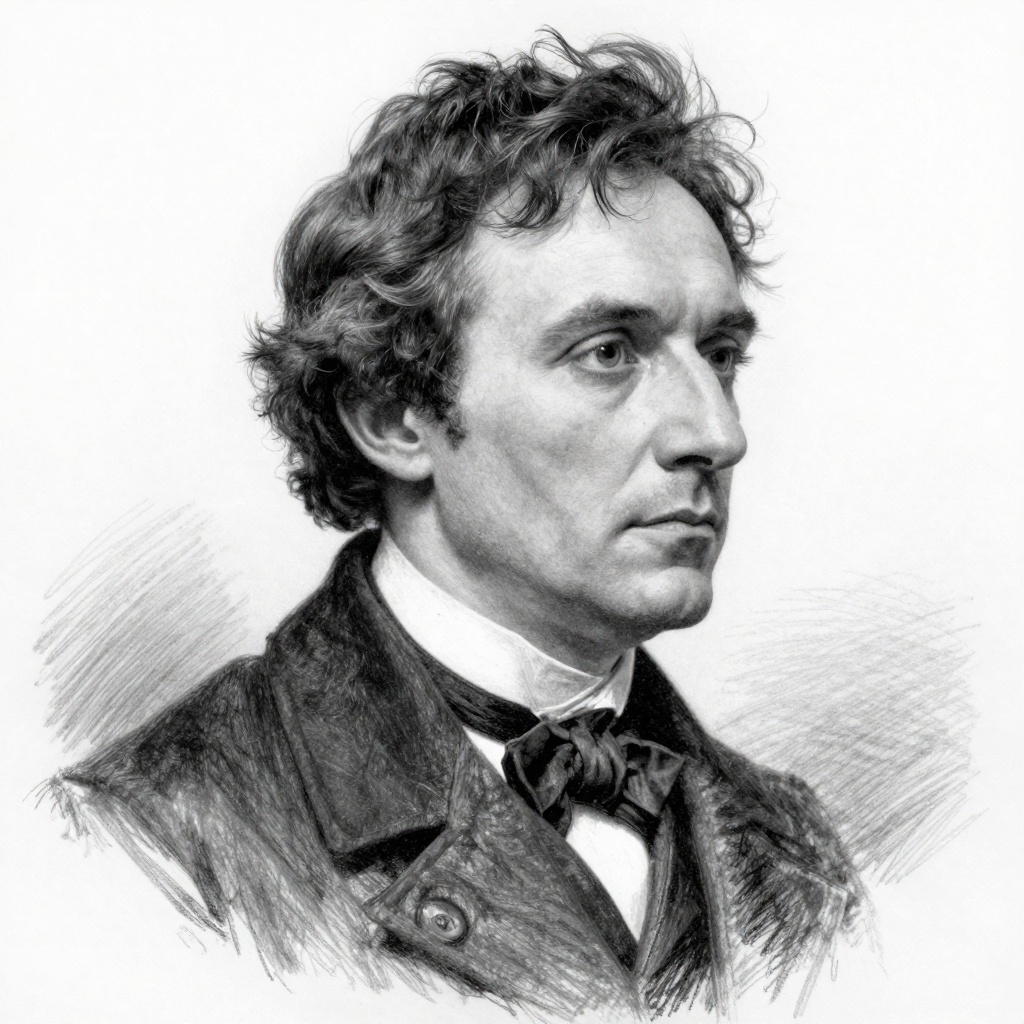
Comments