Quote · Added 19 February 2026
Reading
AI generatedBrilliance and Bad Quarters Coexist
Rossini's observation about Wagner cuts to something we all recognize but rarely name so clearly: the difference between occasional brilliance and sustained excellence. We live in an era that tends to judge things in binaries—it's either great or it's not—but real life rarely works that way. Most of us have talented coworkers who produce flashes of genius mixed with stretches of frustration. Most creators, artists, and performers have their peaks and valleys.
What's useful here is permission to sit with complexity. A song, a project, a person, even a career can contain both genuine beauty and genuine frustration without one canceling out the other. This matters because we often use small failures or rough patches as an excuse to dismiss something entirely. Conversely, we sometimes overlook persistent mediocrity because we're dazzled by occasional moments. The real skill might be learning to appreciate the good parts while being honest about what doesn't work, rather than waiting for everything to be uniformly excellent before we engage.
This tension is especially alive today, when we're all consuming endless work from creators trying to maintain constant output. Maybe the kinder—and more accurate—way to experience anyone's work is accepting that beautiful moments and bad quarters of an hour often come as a package deal.
The author
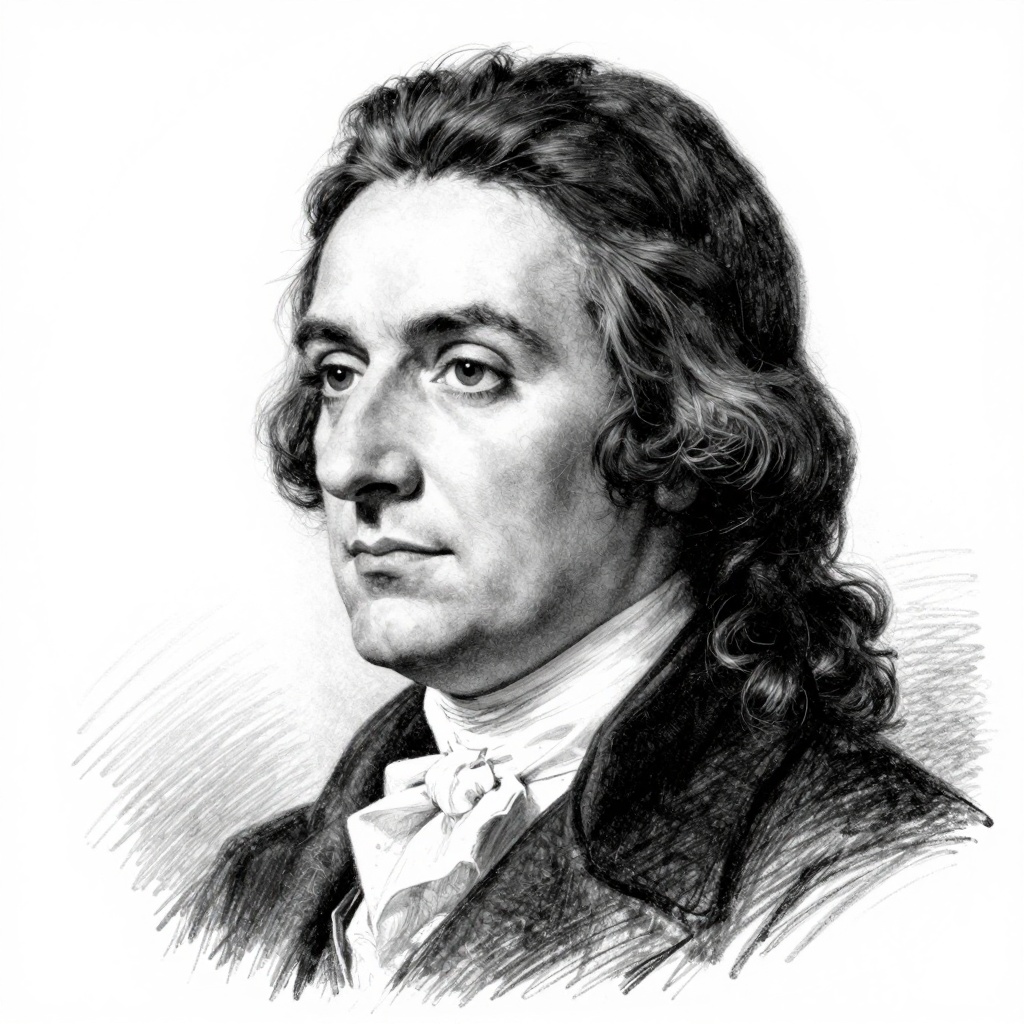
Gioacchino Rossini
1792–1868·lived 76 years
Gioacchino Rossini was an influential Italian composer born on February 29, 1792, best known for his operas, particularly "The Barber of Seville" and "William Tell." A prominent figure in the early Romantic period, Rossini's work is celebrated for its melodic richness and innovative orchestration, leaving a lasting impact on the world of classical music. He passed away on November 13, 1868.
Comments