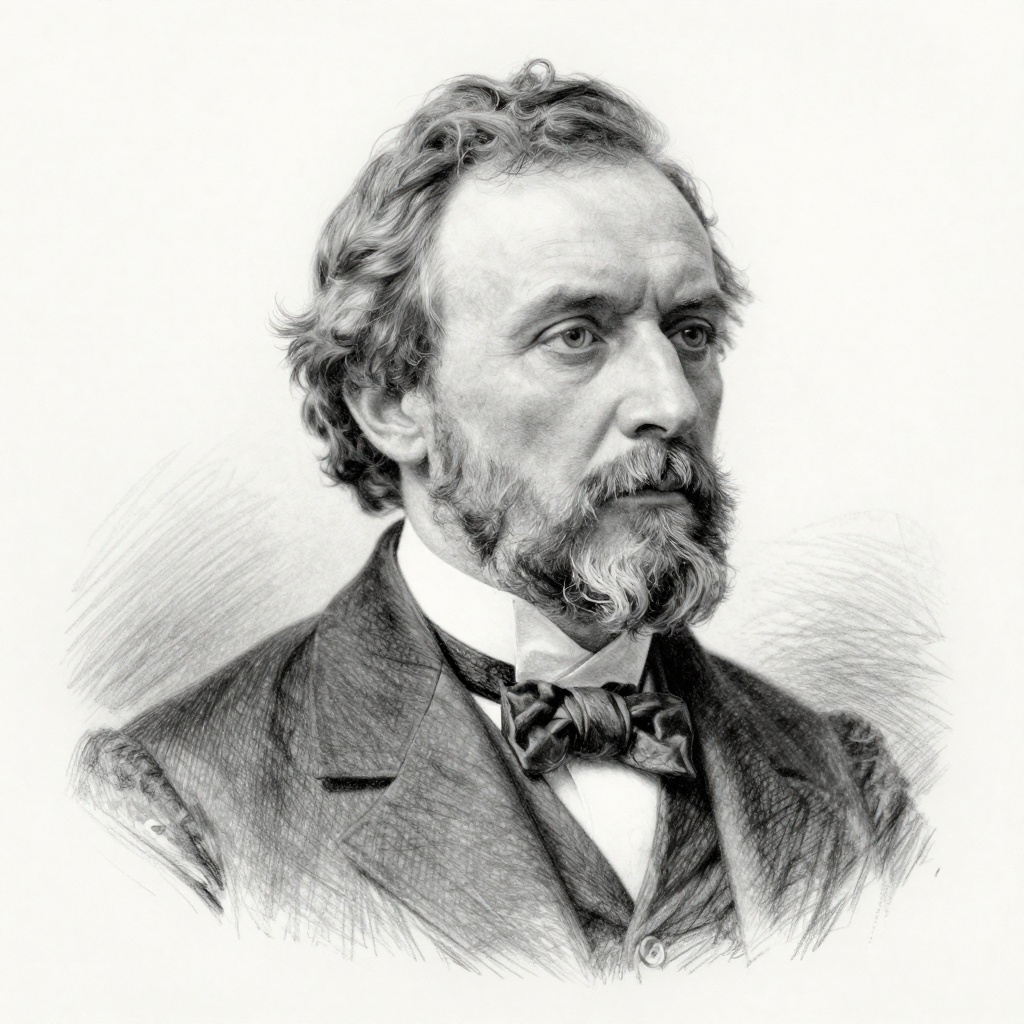
A man's country is not a certain area of land, of mountains, rivers, and woods, but it is a principle and patr... — George William Curtis

A man's country is not a certain area of land, of mountains, rivers, and woods, but it is a principle and patriotism is loyalty to that principle.

Author: George William Curtis

Insight: We usually think of country as something you can point to on a map—a place with borders and landmarks. But Curtis is arguing something trickier: what makes a country real isn't geography, it's what the place stands for. Your actual loyalty, he's saying, isn't to the dirt or the flag; it's to the ideas that supposedly animate both. This matters now because we live in an era where "patriotism" gets weaponized constantly. Someone wraps themselves in national symbols while gutting the principles that supposedly underpin them. Others reject the country entirely, confusing disagreement with the government for betrayal of home. The subtler part of Curtis's insight is that real patriotism might actually require criticism. If you're loyal to a principle—say, equal protection under law, or freedom of conscience—then staying silent when your country violates that principle isn't patriotic. It's the opposite. You're choosing comfort over fidelity to what the place was supposed to mean. This reframes loyalty from blind obedience into something much harder: the willingness to speak up precisely because you care about the ideals, not just the geography.

Patriotism is loyalty to principles, not dirt

A man's country is not a certain area of land, of mountains, rivers, and woods, but it is a principle and patriotism is loyalty to that principle.

We usually think of country as something you can point to on a map—a place with borders and landmarks. But Curtis is arguing something trickier: what makes a country real isn't geography, it's what the place stands for. Your actual loyalty, he's saying, isn't to the dirt or the flag; it's to the ideas that supposedly animate both. This matters now because we live in an era where "patriotism" gets weaponized constantly. Someone wraps themselves in national symbols while gutting the principles that supposedly underpin them. Others reject the country entirely, confusing disagreement with the government for betrayal of home.

The subtler part of Curtis's insight is that real patriotism might actually require criticism. If you're loyal to a principle—say, equal protection under law, or freedom of conscience—then staying silent when your country violates that principle isn't patriotic. It's the opposite. You're choosing comfort over fidelity to what the place was supposed to mean. This reframes loyalty from blind obedience into something much harder: the willingness to speak up precisely because you care about the ideals, not just the geography.

AI generated

Comments

Sign in to leave a comment or reply to one.

Sign in

George William Curtis

George William Curtis was an American writer, editor, and public speaker, known for his influential work in the fields of literature and social reform during the 19th century. He was a prominent member of the literary circle in New York City and served as the editor of Harper's Weekly, using his platform to advocate for social justice and political reform.

Graph

Related