Quote · Added 14 February 2026
Attitudes are more important than facts.
Filed underattitudes·perception·importance
Quote · Added 14 February 2026
Filed underattitudes·perception·importance
We live in an age where facts seem to matter more than ever. We argue over statistics, link to articles, demand receipts. Yet anyone who's actually tried to convince someone of something knows the frustrating truth: the person's attitude—their openness, their willingness to listen, their basic assumption about whether you're worth trusting—determines whether any fact lands at all.
Two people can look at the exact same data and walk away with opposite conclusions, not because one is stupid, but because they approached it with different attitudes. Someone convinced they're being scammed will interpret a discount as a trap. Someone hoping for good news will find reasons to believe a rough statistic is actually improving. It's not that facts don't matter. It's that a closed attitude acts like a sealed door—the truth can be waiting right outside, and nothing gets through.
The practical implication is strange and somewhat liberating: you can't argue your way into changing someone's mind. But you might shift their attitude by showing respect, by being genuinely curious rather than defensive, by demonstrating that you're after truth together rather than trying to win. Once the door opens even slightly, the same facts suddenly become visible.
1824–1905·lived 80 years
George MacDonald (1824–1905) was a Scottish author, poet, and Christian minister. He is best known for his fantasy novels such as "The Princess and the Goblin" and "Phantastes," which have inspired fantasy writers like C.S. Lewis and J.R.R. Tolkien. MacDonald's works often explored spiritual themes and imagination.
Also by George MacDonald
The principle part of faith is patience.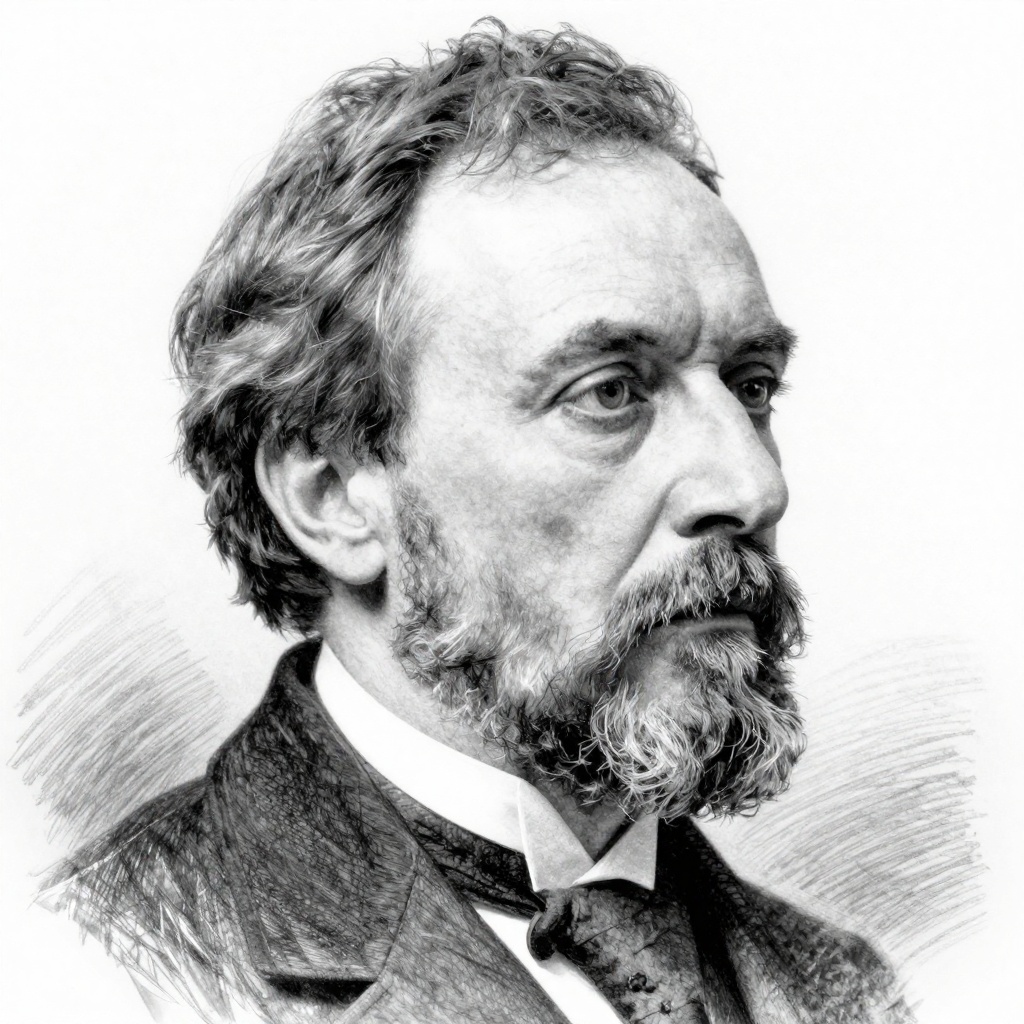
Comments