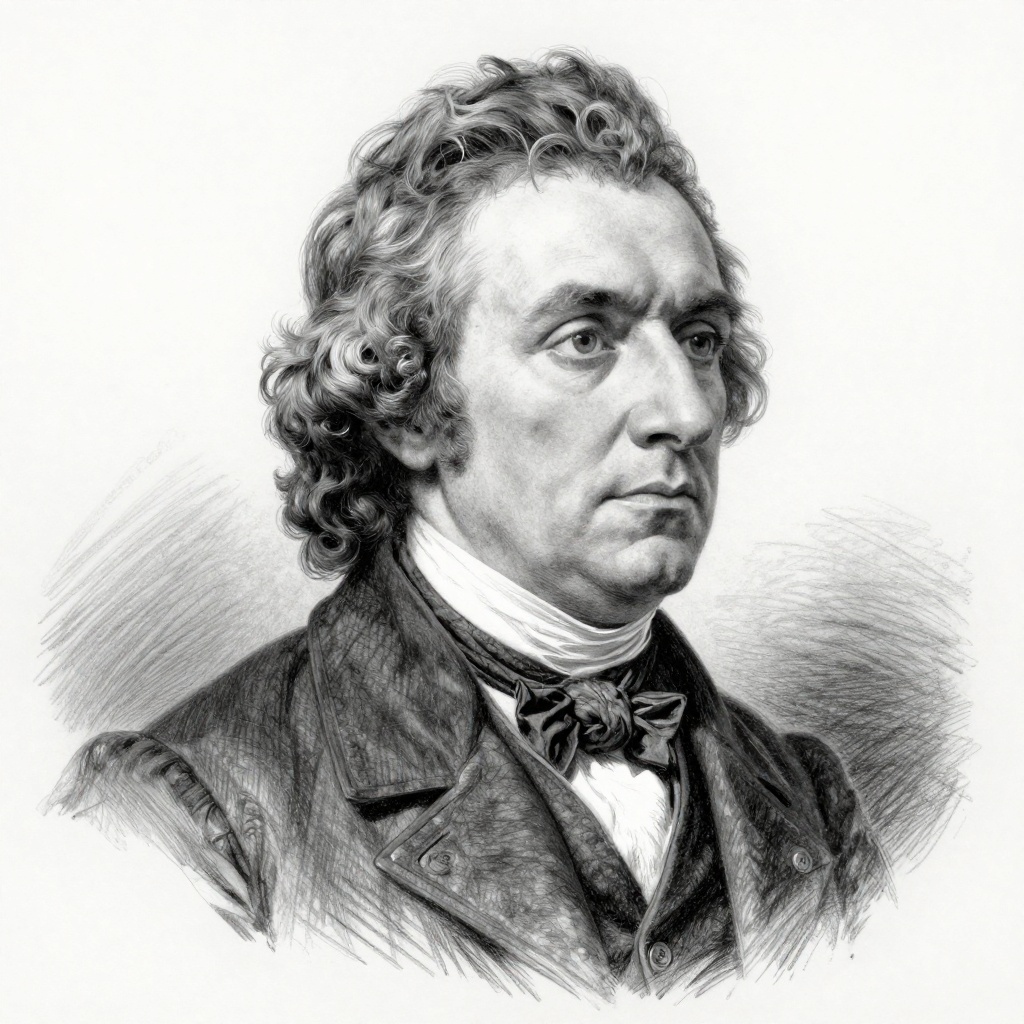
We are the men of intrinsic value, who can strike our fortunes out of ourselves, whose worth is independent of... — George Farquhar

We are the men of intrinsic value, who can strike our fortunes out of ourselves, whose worth is independent of accidents in life, or revolutions in government: we have heads to get money, and hearts to spend it.

Author: George Farquhar

Insight: There's something almost rebellious in this idea—the notion that your worth doesn't depend on your circumstances or who's in power. It pushes back against the anxiety many of us feel about stability, about whether we're one layoff or one bad break away from losing our footing. Farquhar is suggesting that the real currency is what you carry inside: your ability to think your way through problems and your capacity to actually live rather than just accumulate. But here's the twist nobody expects from a line about "striking fortunes out of ourselves": he's not celebrating greed or workaholism. That bit about "hearts to spend it" is doing real work. He's saying the whole point of having agency and making money is to use it—to experience things, to be generous, to enjoy being alive. There's a kind of wisdom in that pairing: the head and the heart working together, not in conflict. The trickier part? This quote assumes you actually have the freedom and resources to develop your head and heart in the first place. It's an inspiring idea, but it's also worth noticing how much easier it is to "strike your fortune" from a position of privilege. Still, for those of us with some room to maneuver, it's a useful reminder: your circumstances aren't your ceiling, and earning something means nothing if you're too afraid or too numb to actually use it.

Source: The Beaux' Stratagem, Act 5, Scene 1, 1707

Head and heart, not just fortune

We are the men of intrinsic value, who can strike our fortunes out of ourselves, whose worth is independent of accidents in life, or revolutions in government: we have heads to get money, and hearts to spend it.

George FarquharThe Beaux' Stratagem, Act 5, Scene 1, 1707

There's something almost rebellious in this idea—the notion that your worth doesn't depend on your circumstances or who's in power. It pushes back against the anxiety many of us feel about stability, about whether we're one layoff or one bad break away from losing our footing. Farquhar is suggesting that the real currency is what you carry inside: your ability to think your way through problems and your capacity to actually live rather than just accumulate.

But here's the twist nobody expects from a line about "striking fortunes out of ourselves": he's not celebrating greed or workaholism. That bit about "hearts to spend it" is doing real work. He's saying the whole point of having agency and making money is to use it—to experience things, to be generous, to enjoy being alive. There's a kind of wisdom in that pairing: the head and the heart working together, not in conflict.

The trickier part? This quote assumes you actually have the freedom and resources to develop your head and heart in the first place. It's an inspiring idea, but it's also worth noticing how much easier it is to "strike your fortune" from a position of privilege. Still, for those of us with some room to maneuver, it's a useful reminder: your circumstances aren't your ceiling, and earning something means nothing if you're too afraid or too numb to actually use it.

AI generated

Comments

Sign in to leave a comment or reply to one.

Sign in

George Farquhar

George Farquhar was an Irish dramatist born in 1678, renowned for his contributions to the field of comedy during the Restoration period. His most famous works include "The Recruiting Officer" and "The Beaux' Stratagem," which are celebrated for their lively characters and sharp wit. Farquhar's innovative style and keen observations of social manners made him a prominent figure in English theatre, even though he died at a young age in 1707.

Graph

Related