Quote · Added 30 December 2023
What do we live for, if it is not to make life less difficult for each other?
George EliotMiddlemarch, p. 123, 1871
Filed underlife·compassion·purpose
Quote · Added 30 December 2023
Filed underlife·compassion·purpose
Most of us live with a quiet assumption that life's real rewards come from personal achievement—landing the job, hitting the goal, proving ourselves. But this question cuts sideways through that: what if the actual point isn't accumulation but reduction? Not what we gain, but what suffering we prevent or ease for someone else. It's a radical reframing that hits harder the more you sit with it.
The practical genius here is that it works at every scale. You don't need a grand gesture. It's the coworker who explains something patiently instead of making someone feel stupid. The friend who shows up without being asked. The parent who absorbs their own stress so their kid doesn't inherit it. These aren't separate from a meaningful life—they're the substance of one. When you're old and looking back, you won't measure yourself by what you owned or achieved in isolation. You'll measure yourself by the lightness you created in other people's days.
What makes this especially useful now is how much modern life tempts us toward the opposite—toward optimization of our own experience, our own image, our own comfort. Eliot suggests that path makes us ask the wrong question entirely. The real one is simpler and stranger: did I make things easier? That becomes a compass when everything else feels murky.
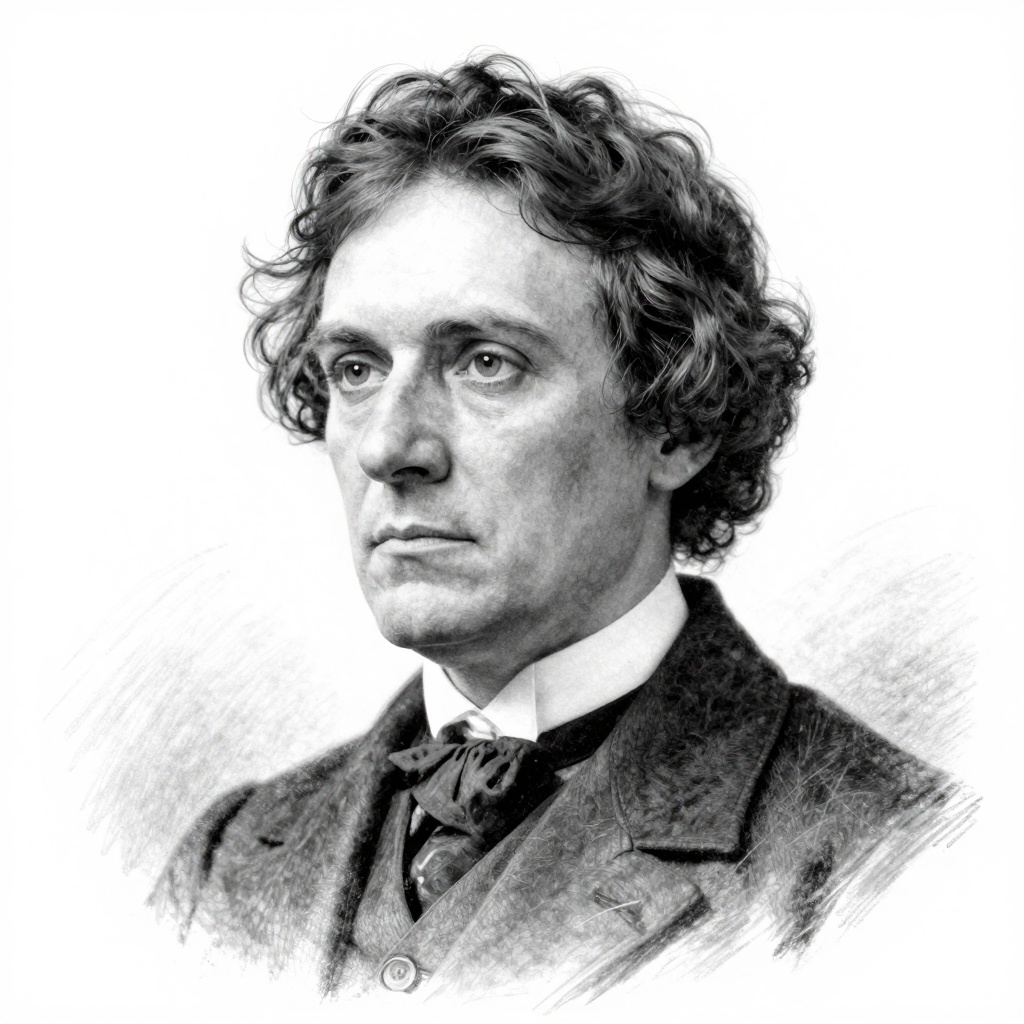
1819–1880·lived 61 years
George Eliot was an English novelist and one of the leading writers of the Victorian era. She is known for her works such as "Middlemarch" and "Silas Marner," which explore complex human emotions and moral dilemmas with a keen psychological insight. Eliot's writing often focused on social issues and the struggles of everyday life, making her a prominent figure in English literature.
Comments