Quote · Added 1 October 2023
Tis a strange truth that only in the agony of parting we look into the depths of love.
George EliotFelix Holt, The Radical
Quote · Added 1 October 2023
We spend so much of our connected lives on the surface of love—the routines, the comfortable silences, the small kindnesses we barely register. Then loss or distance forces us to look directly at what we actually have, and suddenly it becomes vivid in a way it wasn't when we could take it for granted. That's the unsettling gift of parting: it strips away the numbness that closeness can create.
This happens in small ways too, not just in dramatic separations. A friend moving away, a parent aging, even just recognizing you won't stay young together forever—these moments crack open something we usually keep sealed. We realize we loved them more than we knew, or in ways we never bothered to articulate. It's strange because the love was always there, but we needed to feel its absence to truly see it.
The harder truth is that we don't always learn this lesson before it's too late to say what we mean. Knowing that parting reveals love should logically make us more present with people now, while they're here. But most of us still wait for the ache to arrive before we look honestly at our own hearts. Maybe the real wisdom isn't in waiting for loss—it's in occasionally borrowing that clarity while we still have time to use it.
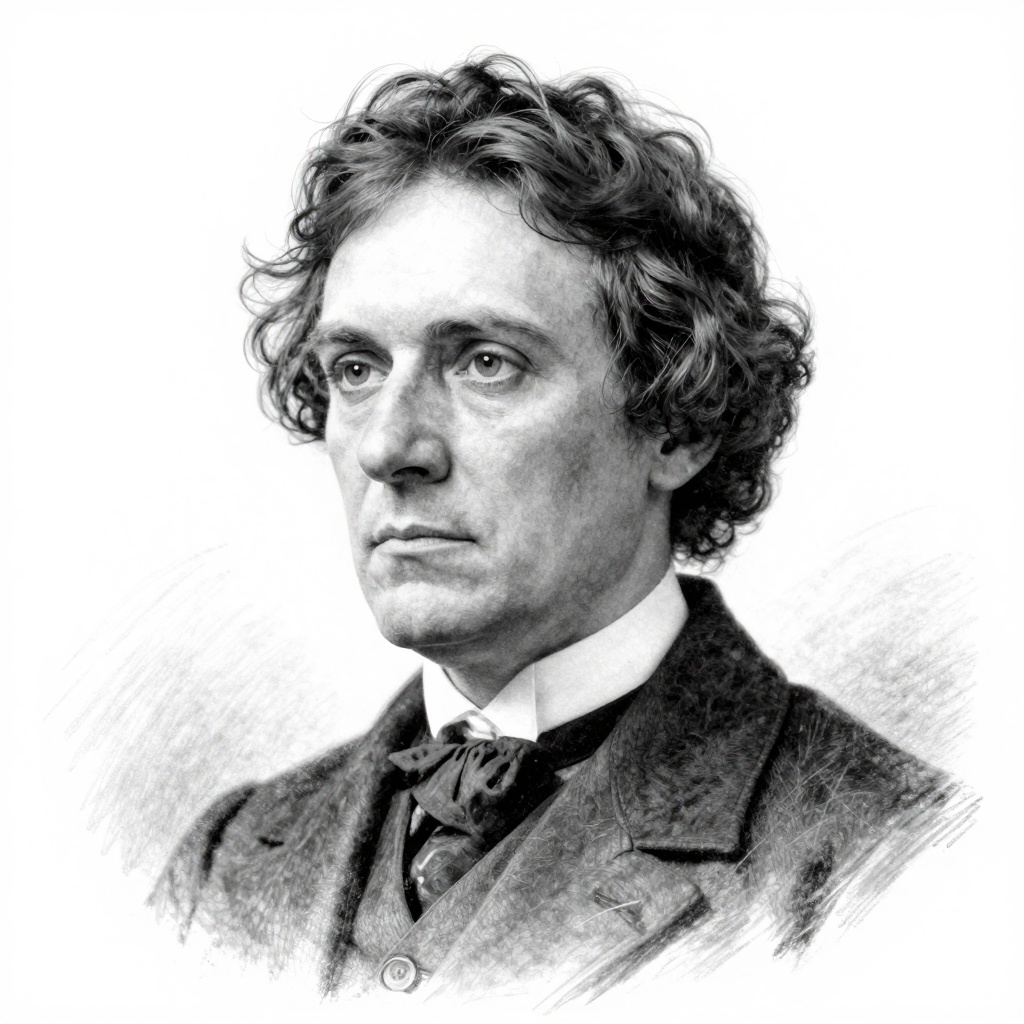
1819–1880·lived 61 years
George Eliot was an English novelist and one of the leading writers of the Victorian era. She is known for her works such as "Middlemarch" and "Silas Marner," which explore complex human emotions and moral dilemmas with a keen psychological insight. Eliot's writing often focused on social issues and the struggles of everyday life, making her a prominent figure in English literature.
Comments