Quote · Added 14 February 2026
There are many victories worse than a defeat.
George EliotMiddlemarch, p. 123, 1871
Filed undervictory·defeat·perspective
Quote · Added 14 February 2026
Filed undervictory·defeat·perspective
We tend to celebrate wins without asking what we actually won. Sometimes you get what you fought for and realize it came at a cost that makes the victory hollow—the promotion that demands you abandon everything you loved about your old job, the argument you "won" by proving someone wrong but lost their trust forever, the deal that made money but left you feeling complicit in something wrong.
The tricky part is that these pyrrhic victories often feel like real success at first. You get the external validation, the thing you wanted. But then you notice the quiet erosion: the relationships that didn't survive the climb, the part of yourself you had to compromise, the exhaustion of maintaining something you didn't actually want once you had it. George Eliot understood that winning can be a trap if we're not awake to what we're actually fighting for.
The insight isn't to stop striving or become cynical about achievement. It's to pause before celebrating and ask: what am I really winning here, and what am I actually losing? Sometimes the defeat—the thing that didn't happen—protected us from a victory we would have regretted.
1819–1880·lived 61 years
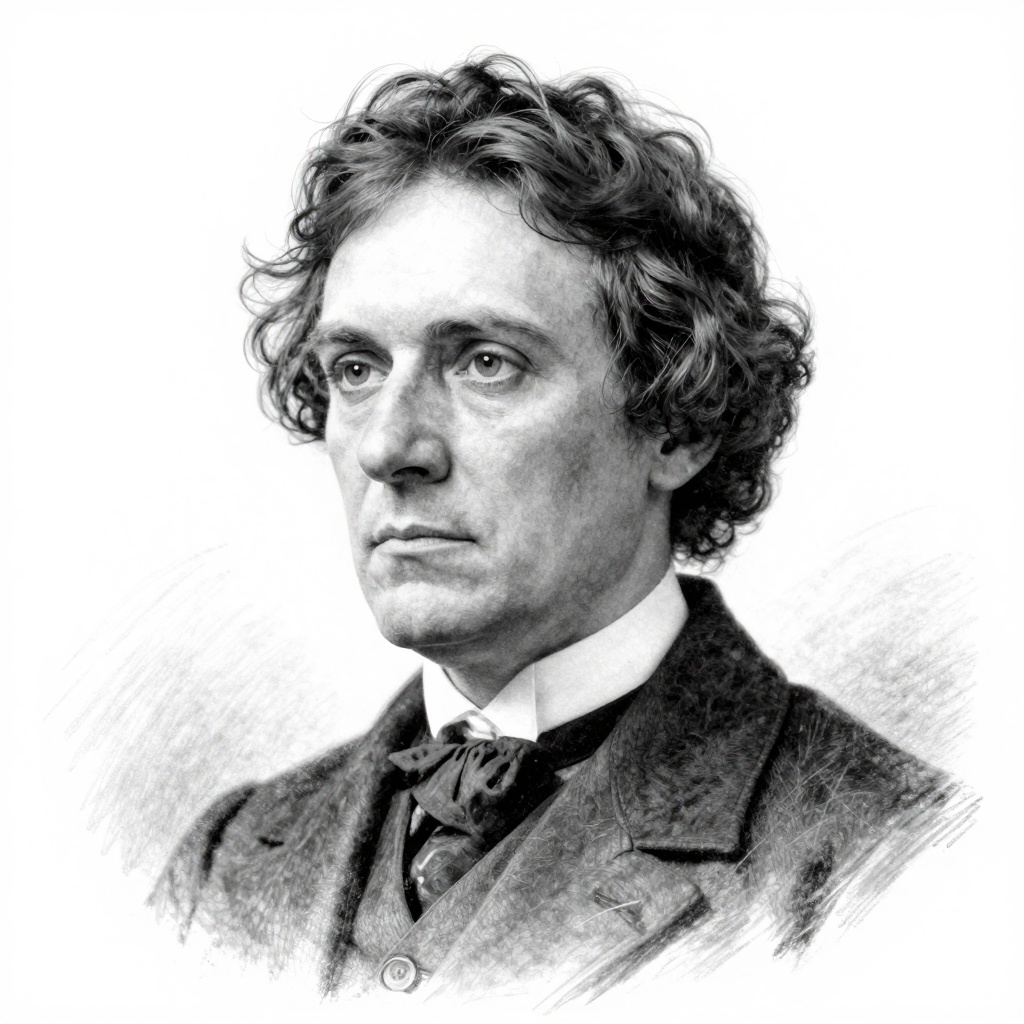
George Eliot was an English novelist and one of the leading writers of the Victorian era. She is known for her works such as "Middlemarch" and "Silas Marner," which explore complex human emotions and moral dilemmas with a keen psychological insight. Eliot's writing often focused on social issues and the struggles of everyday life, making her a prominent figure in English literature.
Comments