Quote · Added 14 February 2026
Our dead are never dead to us, until we have forgotten them.
George EliotAdam Bede, p. 101, 1859
Quote · Added 14 February 2026
There's something quietly radical about this idea: that death itself isn't what erases someone from our lives. We all know the cliché about time healing all wounds, but Eliot points at something more unsettling. You can lose someone long before they die—by simply letting them slip from your thoughts, by not telling their stories, by letting the specific texture of who they were dissolve into a generic memory. The reverse is also true: people dead for decades can remain startlingly alive if we keep them in conversation, if we remember how they made us laugh or what they'd say about something happening today.
This matters because it shifts where the real responsibility lies. We can't control death, but we do control whether we actively remember or passively forget. That person you've lost—their deadness, in Eliot's view, is partly in your hands. It's why grandparents tell the same stories repeatedly, why we look through old photos, why we find ourselves saying "she would have loved this." These aren't sentimental gestures. They're the work of keeping someone alive in the only way that's actually possible.
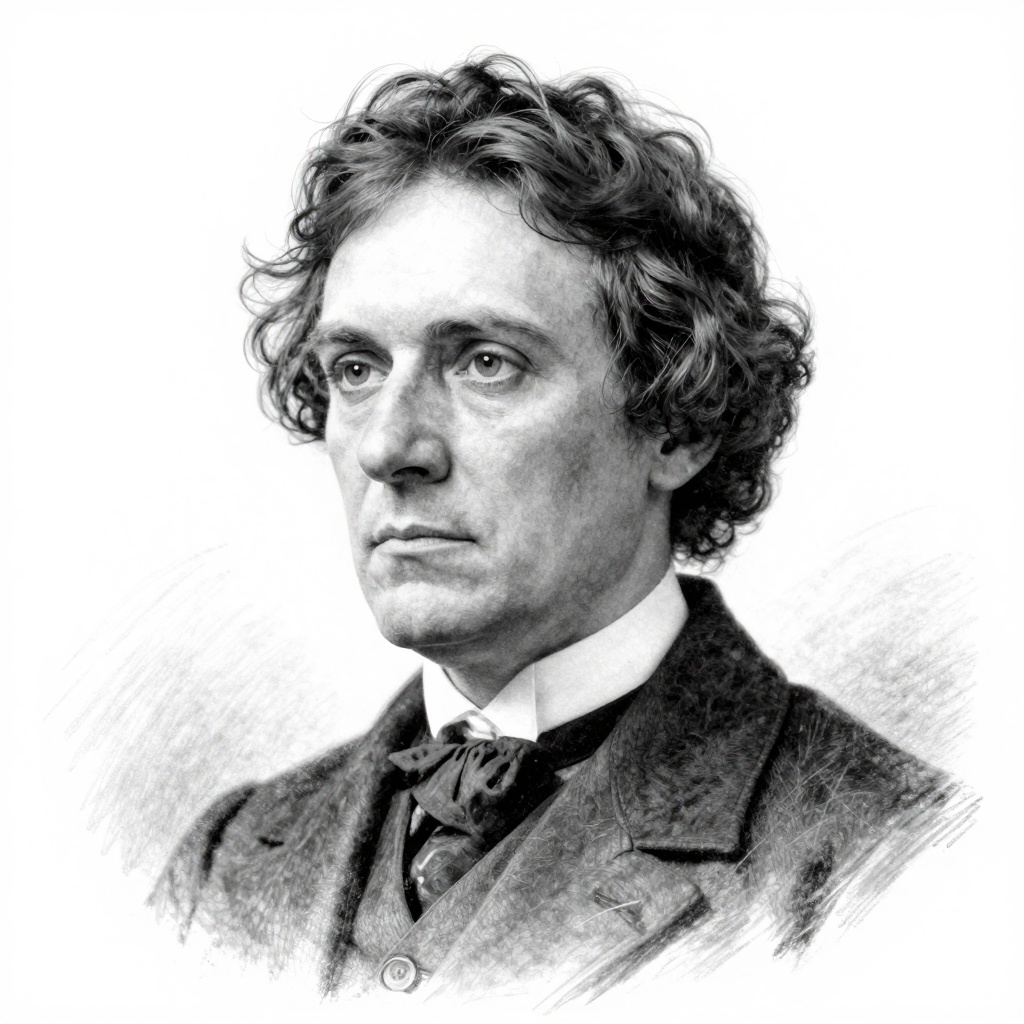
1819–1880·lived 61 years
George Eliot was an English novelist and one of the leading writers of the Victorian era. She is known for her works such as "Middlemarch" and "Silas Marner," which explore complex human emotions and moral dilemmas with a keen psychological insight. Eliot's writing often focused on social issues and the struggles of everyday life, making her a prominent figure in English literature.
Comments