Quote · Added 6 September 2023
Blessed is the man who, having nothing to say, abstains from giving us wordy evidence of the fact.
George EliotImpressions of Theophrastus Such, p. 45, 1858
Quote · Added 6 September 2023
We live in an age of constant broadcasting. Everyone's supposed to have a take, a hot opinion, something sharp to contribute. But here's what nobody talks about: the relief of silence. The power of not filling every gap with noise. George Eliot is pointing at something real about human dignity—not just yours, but everyone's. When you speak just to prove you're thinking, you're actually doing the opposite. You're proving you're anxious.
The tricky part is that restraint doesn't come naturally anymore. We've trained ourselves to equate quietness with emptiness, when it's often the opposite. Someone who listens more than they talk, who sits with uncertainty instead of performing confidence—they're actually the ones paying attention. They're not scrambling to validate their own existence through words. There's something almost radical about that in our current moment.
The deeper insight isn't that silence is always golden. It's that the compulsion to fill every space with your voice often reveals insecurity, not wisdom. The blessing Eliot describes isn't about being mute. It's about self-awareness—knowing when you genuinely have something worth saying, and having the integrity to stay quiet when you don't.
1819–1880·lived 61 years
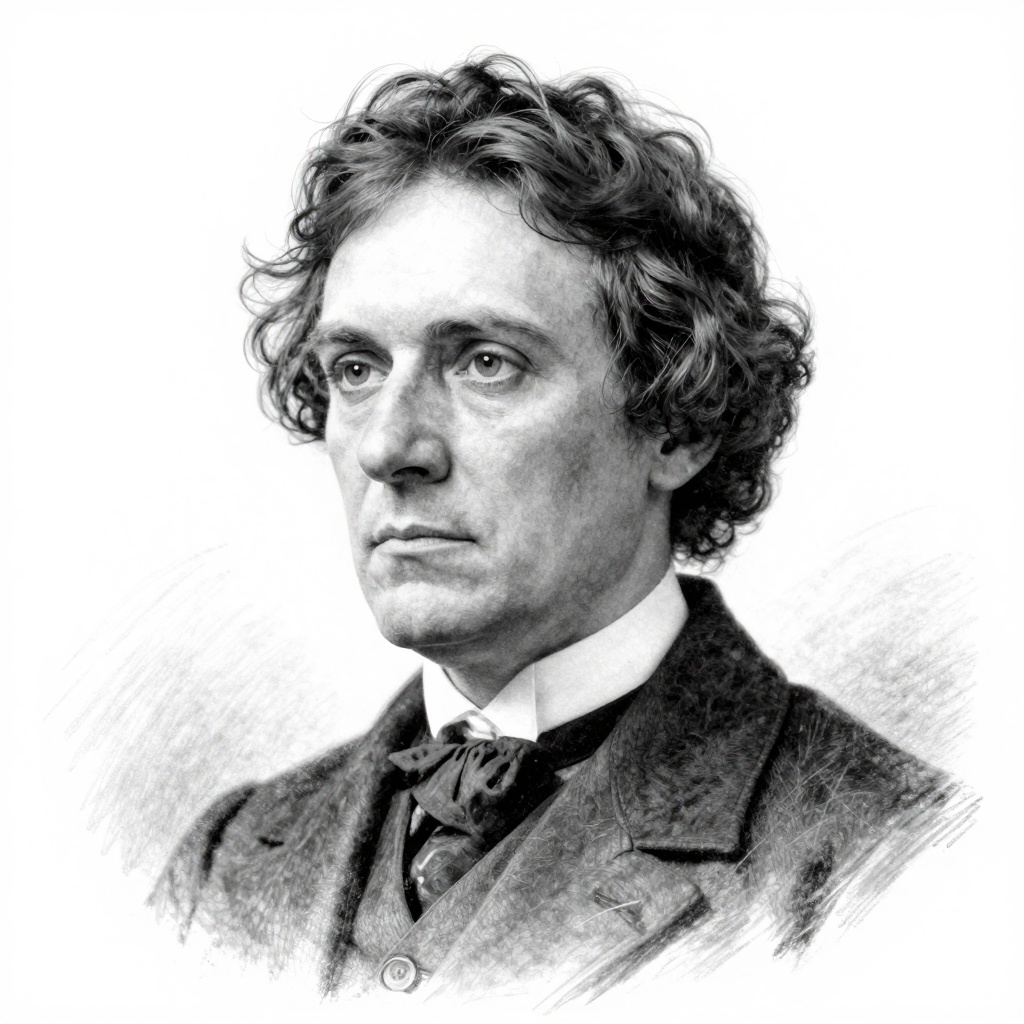
George Eliot was an English novelist and one of the leading writers of the Victorian era. She is known for her works such as "Middlemarch" and "Silas Marner," which explore complex human emotions and moral dilemmas with a keen psychological insight. Eliot's writing often focused on social issues and the struggles of everyday life, making her a prominent figure in English literature.
Comments