Quote · Added 23 September 2023
We learn from history that we do not learn from history.
Georg Wilhelm Friedrich HegelLectures on the Philosophy of History, 1837
No ratings yet
Quote · Added 23 September 2023
There's something almost comic about how often this plays out. We read about empires collapsing from overreach, watch the warning signs appear in our own time, nod along thinking "wow, that's obvious in retrospect"—and then collectively do the same thing anyway. It happens in personal finance when you know exactly how credit card debt spirals but still justify one more purchase. It happens in relationships when you recognize a fight pattern from your last three breakups but find yourself stuck in it again.
The real sting of this observation is that knowing history doesn't automatically make us smarter. We're not rational machines that update our behavior based on data. We're creatures of habit and emotion, often convinced our situation is somehow different, special, or beyond the usual rules. We tell ourselves "this time is different" because we need to believe we have more control or uniqueness than we actually do.
What makes this quote still relevant is that it's not pessimistic about learning itself—it's specifically about learning from history. There's hope in that distinction. We can learn from immediate feedback, from feeling the actual consequences of choices, from people we trust telling us hard truths. But the distant lessons of history? Those require a kind of humility most of us only develop after making the mistakes ourselves.
1770–1831·lived 61 years
Georg Wilhelm Friedrich Hegel (1770–1831) was a German philosopher known for his contributions to the fields of metaphysics, epistemology, and political theory. He is best known for his development of the philosophical concept of dialectical reasoning and his work on the system of absolute idealism, as outlined in his seminal work, "Phenomenology of Spirit."
Also by Georg Wilhelm Friedrich Hegel
Nothing great in the world has ever been accomplished without passion.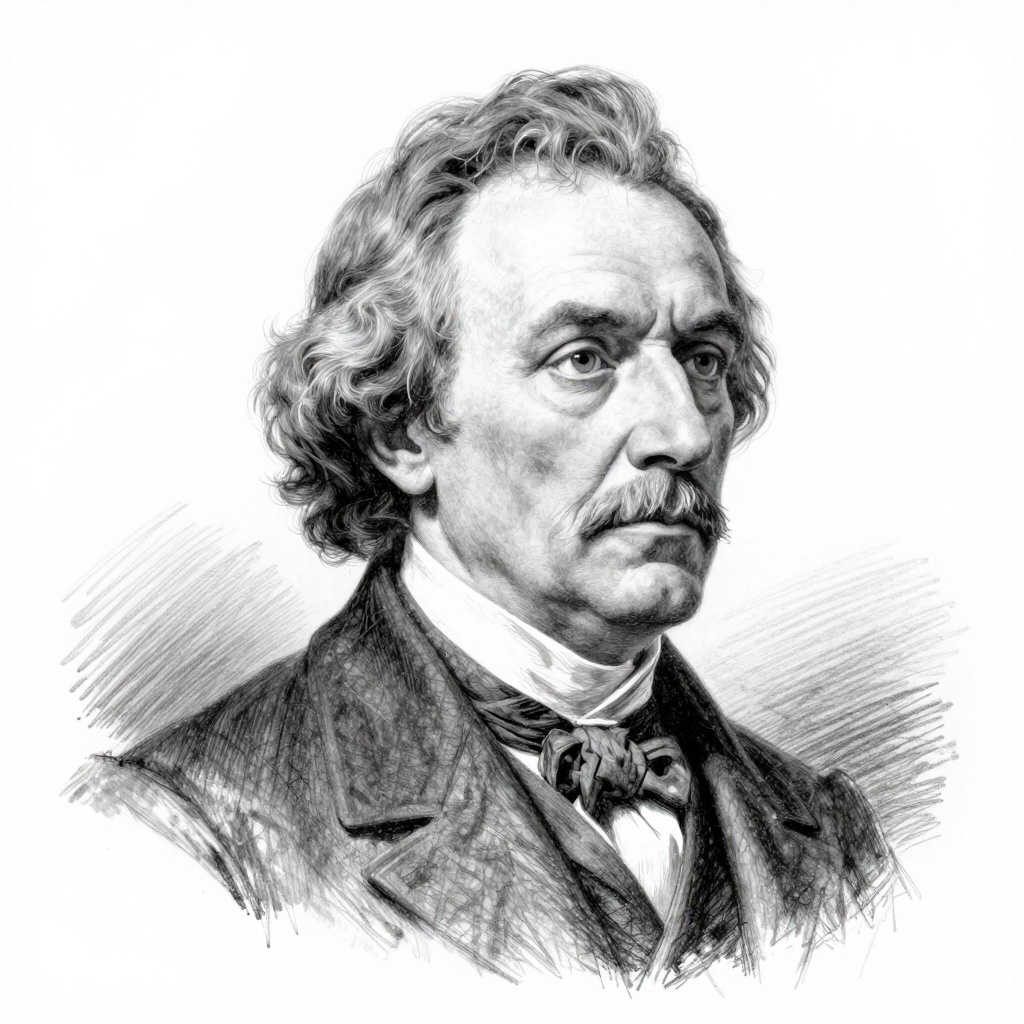
Comments