Quote · Added 14 February 2026
Time and tide wait for no man.
Geoffrey ChaucerPrologue to the Clerk's Tale, 1395
No ratings yet
Filed undertime·inevitability·urgency
Quote · Added 14 February 2026
Filed undertime·inevitability·urgency
We all know the feeling: you tell yourself you'll start that project tomorrow, learn that skill next month, call that person back soon. But weeks pass, and nothing changes except that you're older and the opportunity feels further away. This ancient saying captures something we experience constantly—time moves forward whether we're ready or not, and inaction is still a choice, just one with consequences.
What makes this quote still hit is that it's not scolding you. It's just stating a fact about how the world works. The tide doesn't wait because it can't; it's indifferent to your hesitation or fear. That's actually freeing once you accept it. If time won't pause for you, then waiting for the perfect moment, perfect confidence, or perfect circumstances becomes obviously pointless. The window for action is always now, even if now is messy and you're not entirely ready.
The tricky part is that recognizing this doesn't automatically fix our habits. Knowing time moves on doesn't make us brave or disciplined. But it does reframe procrastination from a harmless delay into something clearer: a real trade-off where you're choosing whatever comfort you get today against something you actually want later. Once you see it that way, it's harder to pretend the choice doesn't exist.
1343–1400·lived 57 years
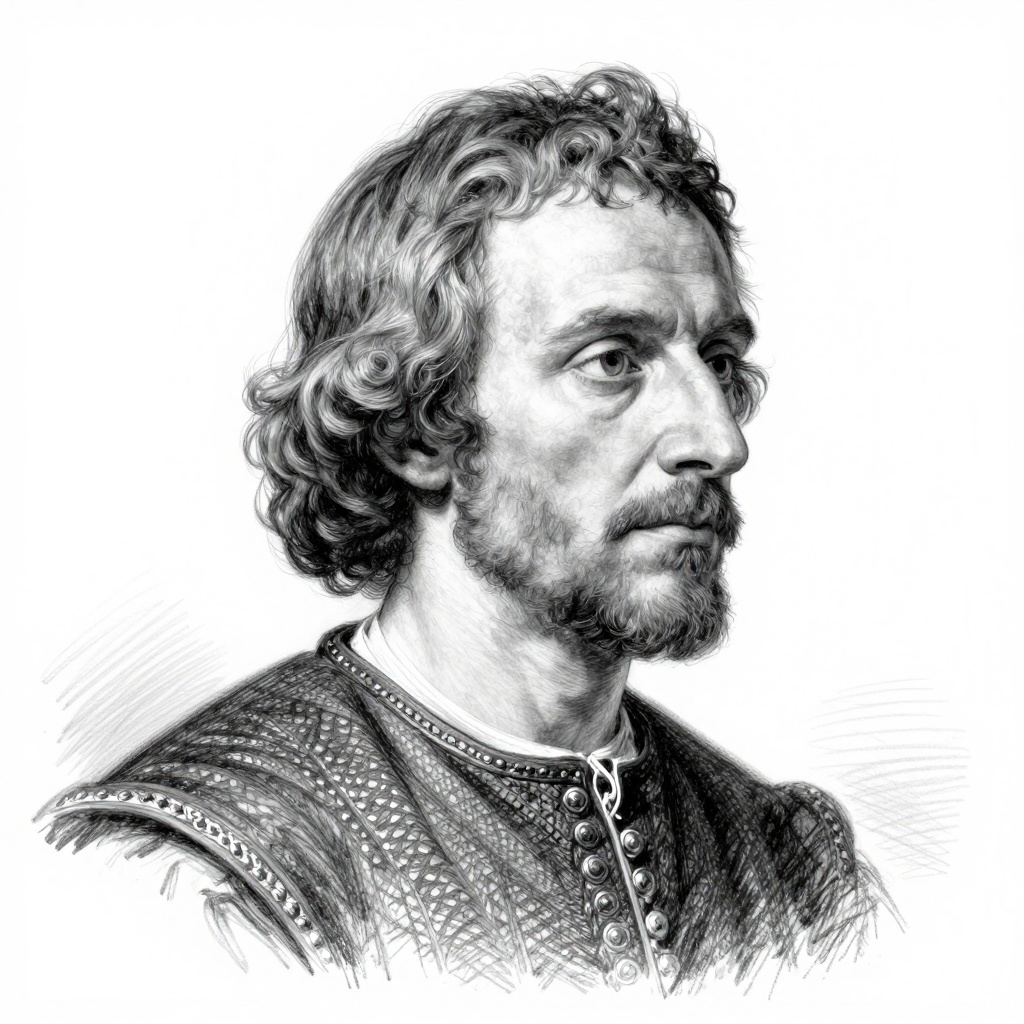
Geoffrey Chaucer was a 14th-century English poet and author, best known for his work "The Canterbury Tales," which is considered one of the greatest achievements in English literature. Often referred to as the "Father of English Poetry," he played a crucial role in establishing the legitimacy of the English language in literary works during a time when French and Latin predominated. Chaucer's writings reflect a deep understanding of human nature and social commentary through a variety of characters and stories.
Comments