Quote · Added 19 February 2026
I begin by taking. I shall find scholars later to demonstrate my perfect right.
No ratings yet
Filed undertaking·rights·scholarship
Quote · Added 19 February 2026
Filed undertaking·rights·scholarship
There's something darkly honest about this quote that cuts through all the polite justifications we build around our actions. Frederick wasn't pretending to be noble—he was naming something most of us do more quietly: we often act first and rationalize later. We take the opportunity, make the bold move, or stake our claim, then we find the arguments to support what we've already decided.
This shows up everywhere in modern life. Someone pivots their career without a clear plan, then crafts the narrative about "following their passion." A company launches a product into a gray area, then hires lawyers to establish why it's actually legal. We see what we want and move toward it, trusting that justification will follow. The uncomfortable part? It often does. Scholars, lawyers, therapists, and think pieces will materialize to legitimize almost anything if you're patient and resourced enough.
The real insight isn't that powerful people are hypocrites—it's that waiting for perfect certainty or complete moral clarity before acting might mean never acting at all. But Frederick's bluntness also warns us: if you're always finding scholars to defend your right to what you've taken, it might be worth asking what you're actually taking, and from whom. The ability to act decisively matters. So does occasionally pausing before the scholars arrive.
1194–1250·lived 55 years
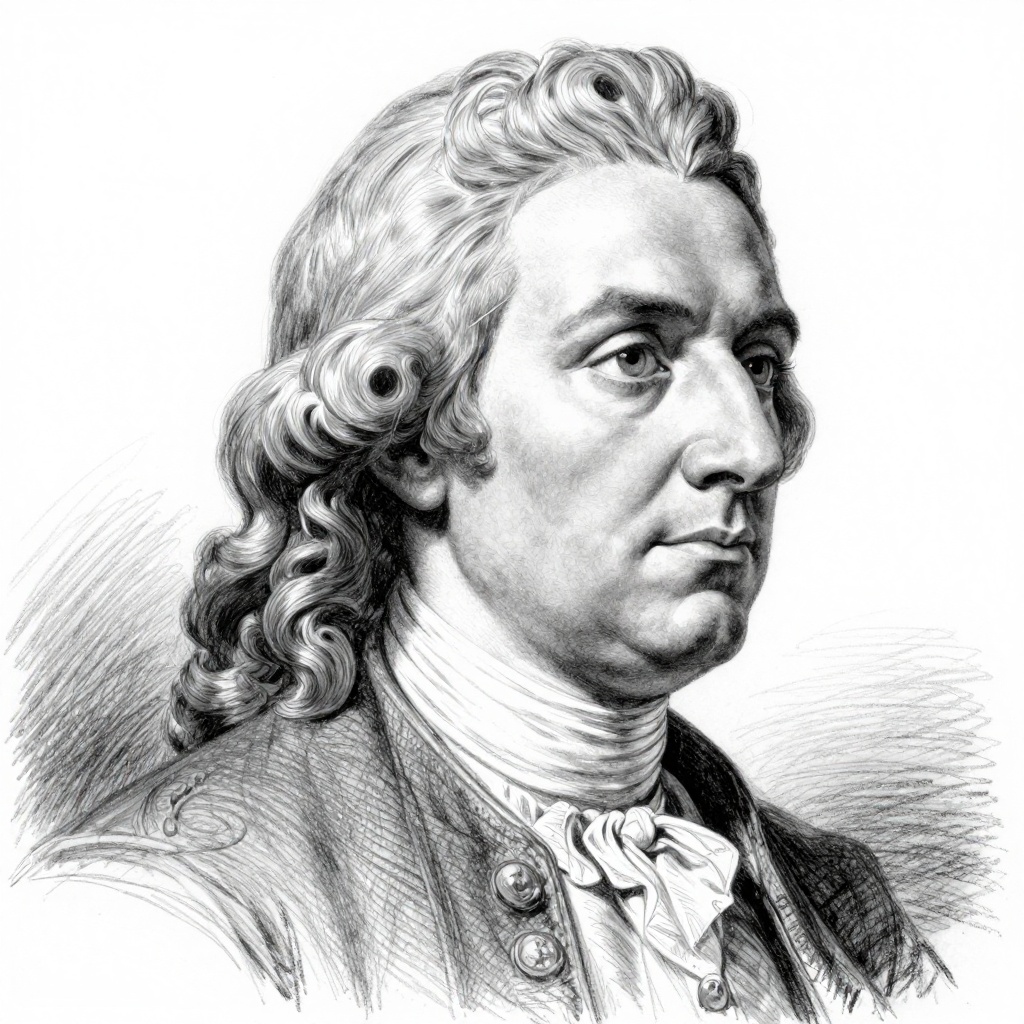
Frederick II, also known as Frederick the Great, was the King of Prussia from 1740 to 1786. Renowned for his military strategies and enlightened policies, he significantly expanded Prussian territory and reformed its administration. Frederick II is also celebrated for his patronage of the arts and philosophy, fostering a period of cultural advancement in his kingdom.
Comments