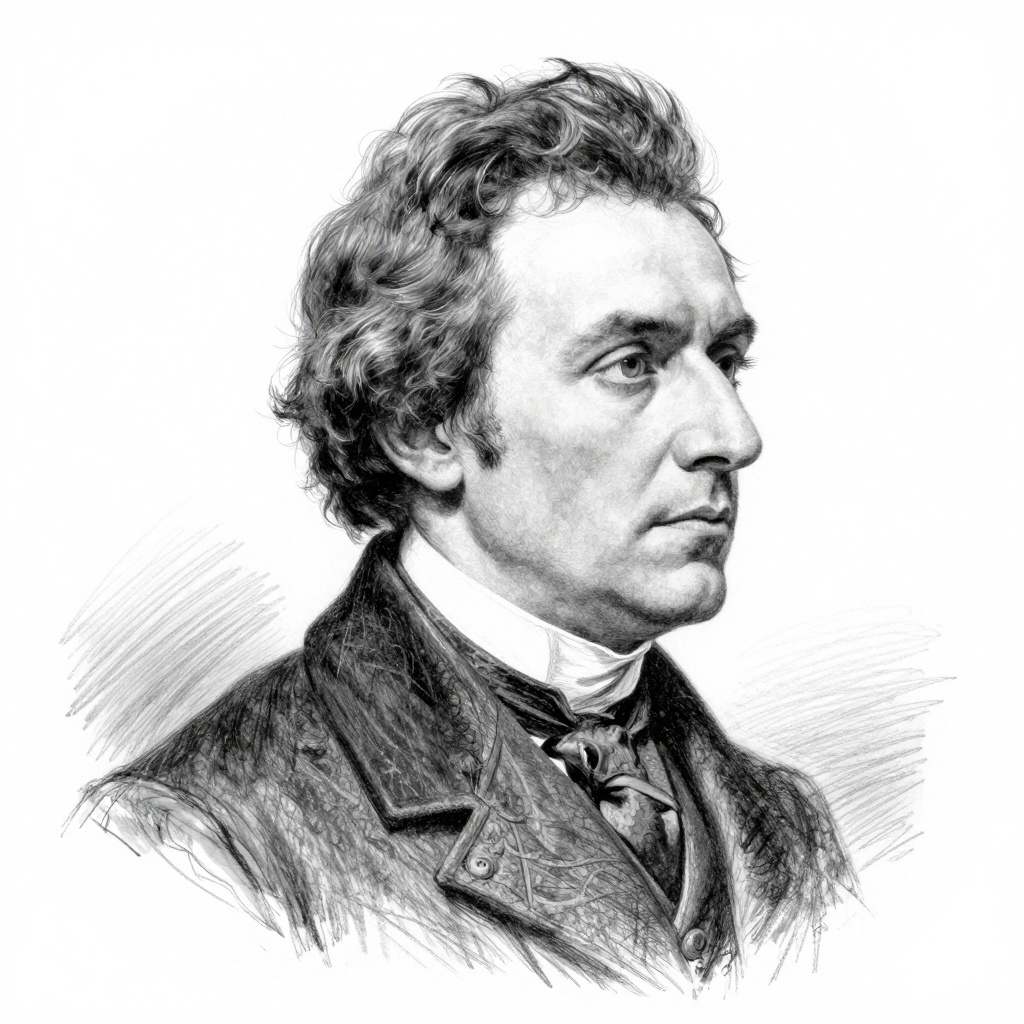
Simplicity is the final achievement. After one has played a vast quantity of notes and more notes, it is simpl... — Frederic Chopin

Simplicity is the final achievement. After one has played a vast quantity of notes and more notes, it is simplicity that emerges as the crowning reward of art.

Author: Frederic Chopin

Insight: We tend to think of mastery as accumulation—more skills, more complexity, more impressive displays. But Chopin's insight flips this on its head. The real destination isn't piling on layers; it's stripping everything away until only what matters remains. A concert pianist doesn't impress us with the most notes played fastest. We're moved by someone who knows exactly which notes to play and which to leave silent. This applies far beyond music. The cluttered email that tries to explain everything usually confuses people more than the one sentence that cuts straight to the point. The home that feels peaceful isn't stuffed with things; it's carefully edited. Even in how we think through problems, the breakthrough often comes when we stop overcomplicating and find the simple truth underneath all our overthinking. The tricky part is that simplicity doesn't come first. It comes after the struggle, after experimenting and failing and learning what actually matters. You have to know the complicated version deeply before you can boil it down. That's why real simplicity feels effortless but takes years to achieve—and why it's worth the work.

Mastery is knowing what to leave out

Simplicity is the final achievement. After one has played a vast quantity of notes and more notes, it is simplicity that emerges as the crowning reward of art.

We tend to think of mastery as accumulation—more skills, more complexity, more impressive displays. But Chopin's insight flips this on its head. The real destination isn't piling on layers; it's stripping everything away until only what matters remains. A concert pianist doesn't impress us with the most notes played fastest. We're moved by someone who knows exactly which notes to play and which to leave silent.

This applies far beyond music. The cluttered email that tries to explain everything usually confuses people more than the one sentence that cuts straight to the point. The home that feels peaceful isn't stuffed with things; it's carefully edited. Even in how we think through problems, the breakthrough often comes when we stop overcomplicating and find the simple truth underneath all our overthinking.

The tricky part is that simplicity doesn't come first. It comes after the struggle, after experimenting and failing and learning what actually matters. You have to know the complicated version deeply before you can boil it down. That's why real simplicity feels effortless but takes years to achieve—and why it's worth the work.

AI generated

Comments

Sign in to leave a comment or reply to one.

Sign in

Frederic Chopin

Frédéric Chopin was a Polish composer and virtuoso pianist, born on March 1, 1810, in Żelazowa Wola, Poland. He is renowned for his innovative piano compositions, which include waltzes, nocturnes, and études, that blend technical mastery with deep emotional expression. Chopin's works have had a lasting influence on piano music and he is regarded as one of the greatest composers of the Romantic era.

Graph

Related