Quote · Added 19 February 2026
I choose a block of marble and chop off whatever I don't need.
Filed undermarble·creation·simplicity
Quote · Added 19 February 2026
Filed undermarble·creation·simplicity
Most of us approach life by trying to add things—more skills, more money, more experiences, more stuff. We're collectors by instinct. But Rodin's way of seeing it flips that completely. He's not building up toward the sculpture; he's removing everything that gets in the way of what's already there. The marble already contains the figure. His job is just subtraction.
This matters more now than ever, when we're drowning in options and distractions. Your time, your attention, your energy—they're already finite blocks. The question isn't really "What should I add?" but "What should I remove?" What habits are you carrying that don't actually serve you? What commitments are you keeping just out of inertia? What does your life look like if you stop doing the things that aren't essential?
The slightly weird part is how liberating this gets. When you stop thinking of yourself as incomplete and needing to be filled up, you realize you're already whole. You just have a lot of extra stone to clear away. That reframing alone—from scarcity to abundance—can shift how you make decisions about what deserves your finite energy.
1840–1917·lived 77 years
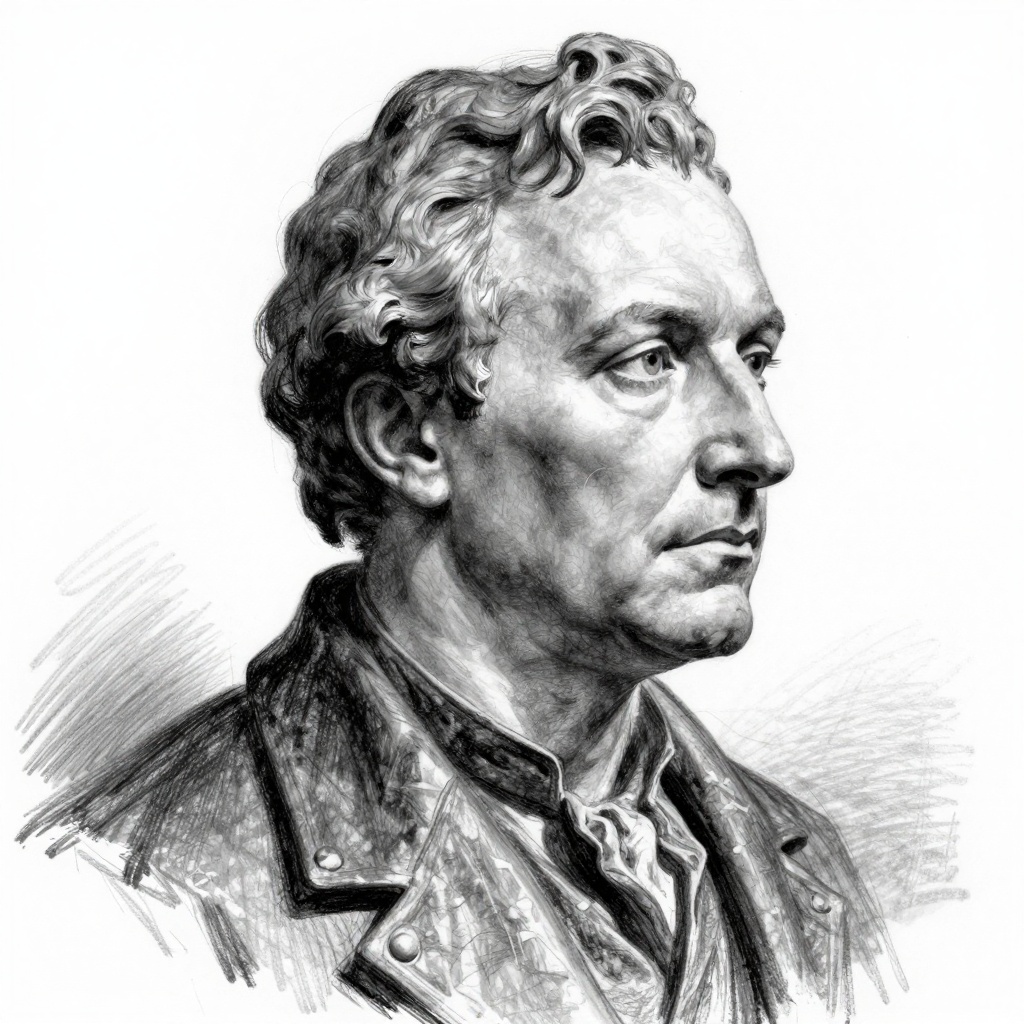
François-Auguste Rodin was a French sculptor born on November 12, 1840, in Paris. He is best known for his expressive and innovative works, particularly "The Thinker," "The Kiss," and "The Gates of Hell," which showcased his mastery of form and emotion. Rodin is often considered the father of modern sculpture, significantly influencing the development of the art form in the late 19th and early 20th centuries.
Comments