Quote · Added 14 February 2026
Put off thy cares with thy clothes; so shall thy rest strengthen thy labor, and so thy labor sweeten thy rest.
Francis QuarlesEmblems, p. 45, 1635
Quote · Added 14 February 2026
There's something almost radical about this advice: the idea that you can't actually rest while you're still wearing your worries. Most of us try. We collapse on the couch still mentally rehearsing the email we sent, the conversation we fumbled, the thing we forgot to do. We're physically present but psychologically still at work, which means we're not really resting at all—we're just stalling.
The genius of Quarles's suggestion is that it treats rest as something you have to actively create, not just passively receive. When you genuinely set your cares down, something shifts. Your mind gets actual permission to reset. Then, counterintuitively, this makes you better at the work when it comes back around. You return to your labor not depleted and resentful, but actually strengthened. The sweetness he mentions isn't about enjoying work more—it's about having earned the rest you take afterward, which makes that rest feel like a real reward rather than an interruption.
In a world where we carry our phones, our emails, and our stress into bed, the simple act of deliberately putting something down—literally or mentally—has become almost a lost skill. But it's one worth practicing.
1592–1644·lived 52 years
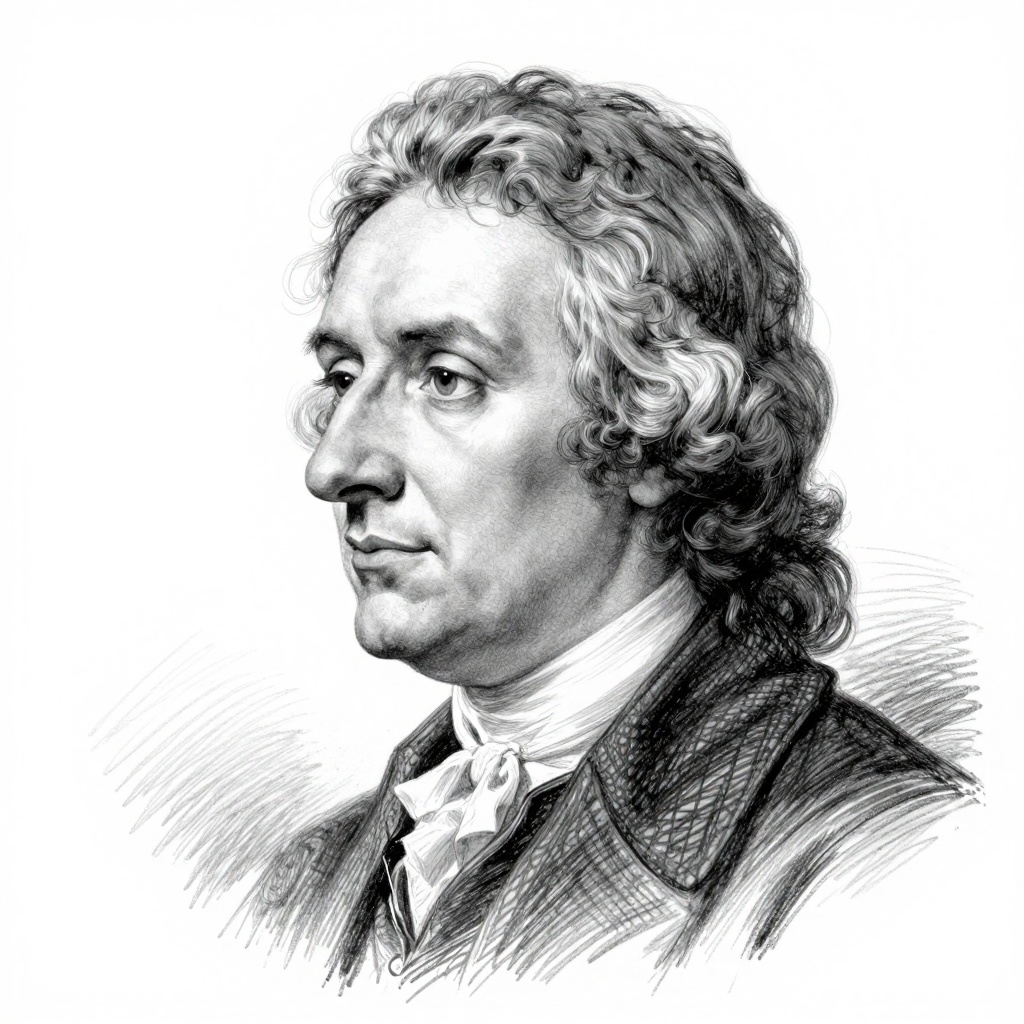
Francis Quarles was an English poet, born in 1592 and known for his religious and political poetry. He gained prominence in the early 17th century with works like "Emblems," a collection of devotional poems that blend allegory and moral teaching. Quarles served as a court poet and a government official, and his writings reflect the theological and social issues of his time, particularly the tumultuous period leading up to the English Civil War. He passed away in 1644.
Comments