Quote · Added 15 February 2026
If you look the right way, you can see that the whole world is a garden.
Filed undergarden·perspective·beauty
Quote · Added 15 February 2026
Filed undergarden·perspective·beauty
There's something almost radical about this idea—that the world doesn't need to be prettier or more manicured to be beautiful. It just needs your attention. When you're stuck in traffic or waiting in line, you might notice the way light hits a storefront window, or how someone's laugh carries across a noisy room. Suddenly the ordinary shifts. This isn't about toxic positivity or pretending bad things don't exist. It's about recognizing that beauty and meaning aren't rare resources hidden somewhere else. They're woven through the everyday if you're looking.
The practical part is harder than it sounds. Most of us are trained to spot what's wrong—the job that doesn't fulfill us, the relationship that feels off, the way we don't measure up. Our brains evolved to notice threats, not gardens. But Burnett's point suggests that this habit costs something real. When you're always assessing and critiquing, you miss the texture of actual life happening around you. A work commute becomes just time lost. A family dinner becomes a list of things to discuss later.
Retraining yourself to notice is almost like a skill you can practice. Not naively, but deliberately. What small detail made you feel something today? What caught your eye? This shift—from consumer of life to observer—might be one of the quietest but most accessible ways to feel richer in the life you already have.
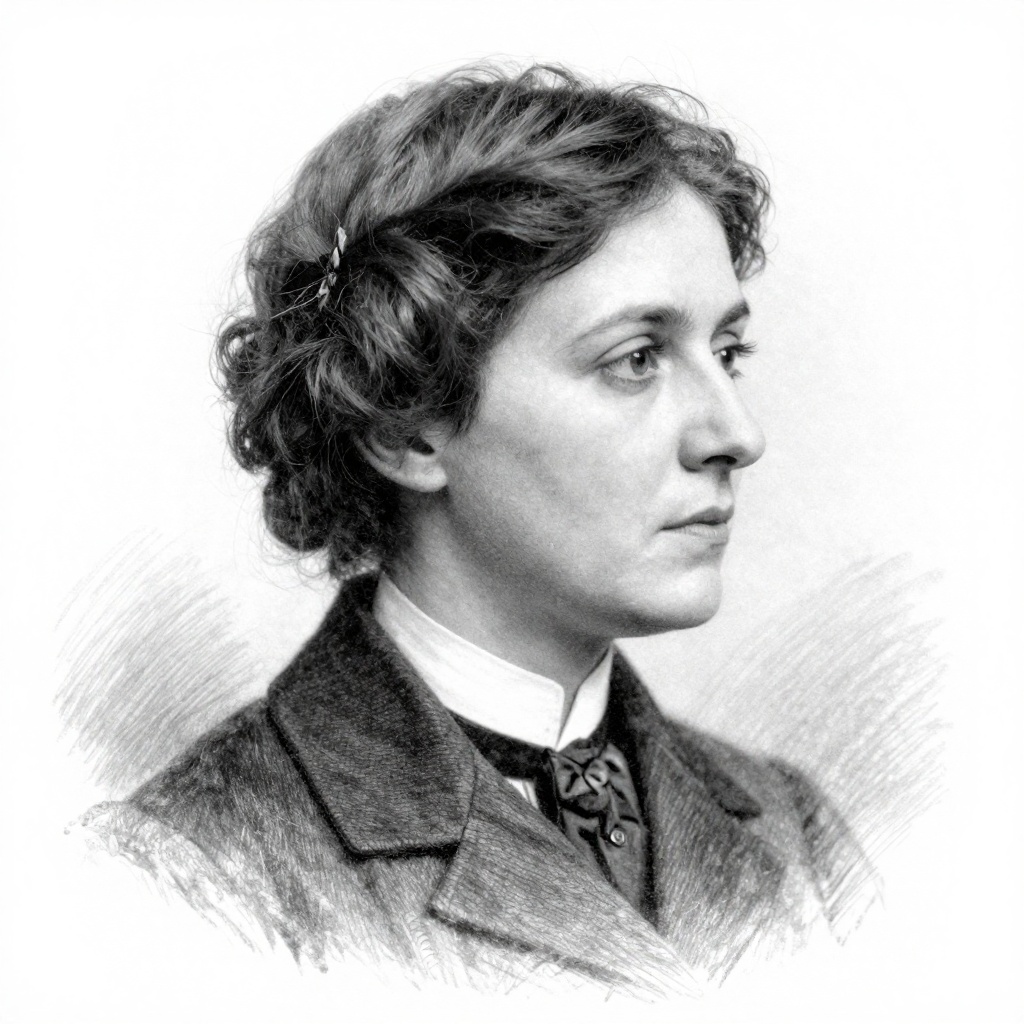
1849–1924·lived 74 years
Frances Hodgson Burnett was an English-American playwright and author, best known for her children's novels, particularly "The Secret Garden," "A Little Princess," and "Little Lord Fauntleroy." Born on November 24, 1849, in Manchester, England, she moved to the United States as a child and became a prominent figure in children's literature during the late 19th and early 20th centuries. Burnett's works often explore themes of childhood, resilience, and the transformative power of nature.
Comments