Quote · Added 14 February 2026
Whatever our souls are made of, his and mine are the same.
Emily BronteWuthering Heights, p. 73, 1847
No ratings yet
Filed undersoul·connection·love
Quote · Added 14 February 2026
Filed undersoul·connection·love
There's something radical in this line—Brontë isn't saying two people are compatible or well-matched. She's saying something deeper: that at the most fundamental level, she and this other person are made of the same essential stuff. No hierarchy, no distance, no pretense needed.
We feel this rarely but unmistakably. It's that moment with someone when you stop performing, when you realize they see you without judgment because they recognize themselves in you. You're not trying to impress them or prove anything. The exhausting work of translation between two different kinds of people just... stops. It's less about romance (though it can be) and more about recognition—that bone-deep sense that someone else operates on the same wavelength, shares the same fundamental confusions and hungers that you do.
What's surprising is that this feeling has almost nothing to do with similarity in circumstances or even personality. You can find this kinship with someone completely unlike you in background or temperament, or miss it entirely with someone who looks perfect on paper. It's about whether someone's core self—their basic approach to being alive—mirrors yours in some invisible but undeniable way. When you find it, you stop wondering whether you really know each other. You already do.
1818–1848·lived 30 years
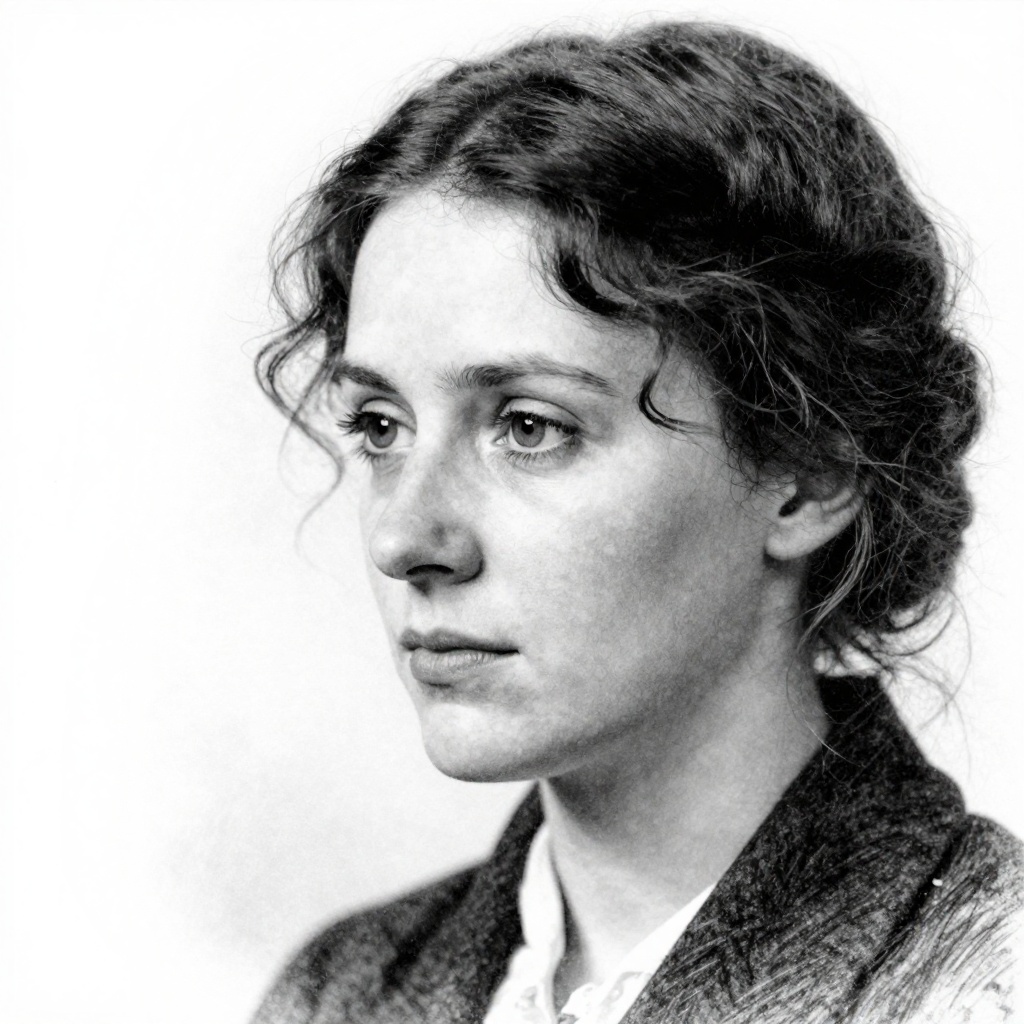
Emily Brontë was an English novelist and poet, best known for her only novel, "Wuthering Heights," published in 1847 under the pseudonym Ellis Bell. She was born on July 30, 1818, in Thornton, Yorkshire, and was part of the Brontë literary family, which included her sisters Charlotte and Anne. Brontë's work is celebrated for its passionate and complex exploration of love and the human condition, and she remains a prominent figure in English literature.
Comments