Quote · Added 10 February 2026
If you ask me what I came into this life to do, I will tell you: I came to live out loud.
No ratings yet
Filed underlife·purpose·expression
Quote · Added 10 February 2026
Filed underlife·purpose·expression
Most of us spend our days moderating ourselves—editing our opinions in meetings, softening our laughs, keeping our real thoughts to safer people or later times. We call this maturity or professionalism, but there's a cost. We get used to the dimmer version of ourselves and sometimes forget there was ever a brighter one.
Living out loud doesn't mean being reckless or thoughtless. It means refusing to shrink your actual self into something smaller just because it makes others more comfortable. It's saying what you genuinely believe matters, pursuing what actually fascinates you, letting people see you care about things. In a world that profits from our compliance and self-doubt, this becomes quietly radical.
The interesting part is that living authentically often creates permission for others to do the same. Your friend finally mentions the passion project they've been hiding. A coworker speaks up in a meeting instead of staying silent. Small acts of genuine living ripple outward. The opposite happens too—when we perform smaller versions of ourselves, we unconsciously signal to others that they should do the same. You're not just choosing your own volume; you're setting the baseline for everyone around you.
1840–1902·lived 62 years
Emile Zola (1840–1902) was a French novelist, playwright, and journalist, known for his significant contributions to the literary movement of naturalism. He is celebrated for works such as "Thérèse Raquin" and "Germinal," which vividly depicted the struggles of the working class and exposed social injustices in 19th-century France.
Also by Emile Zola
I would rather die of passion than of boredom.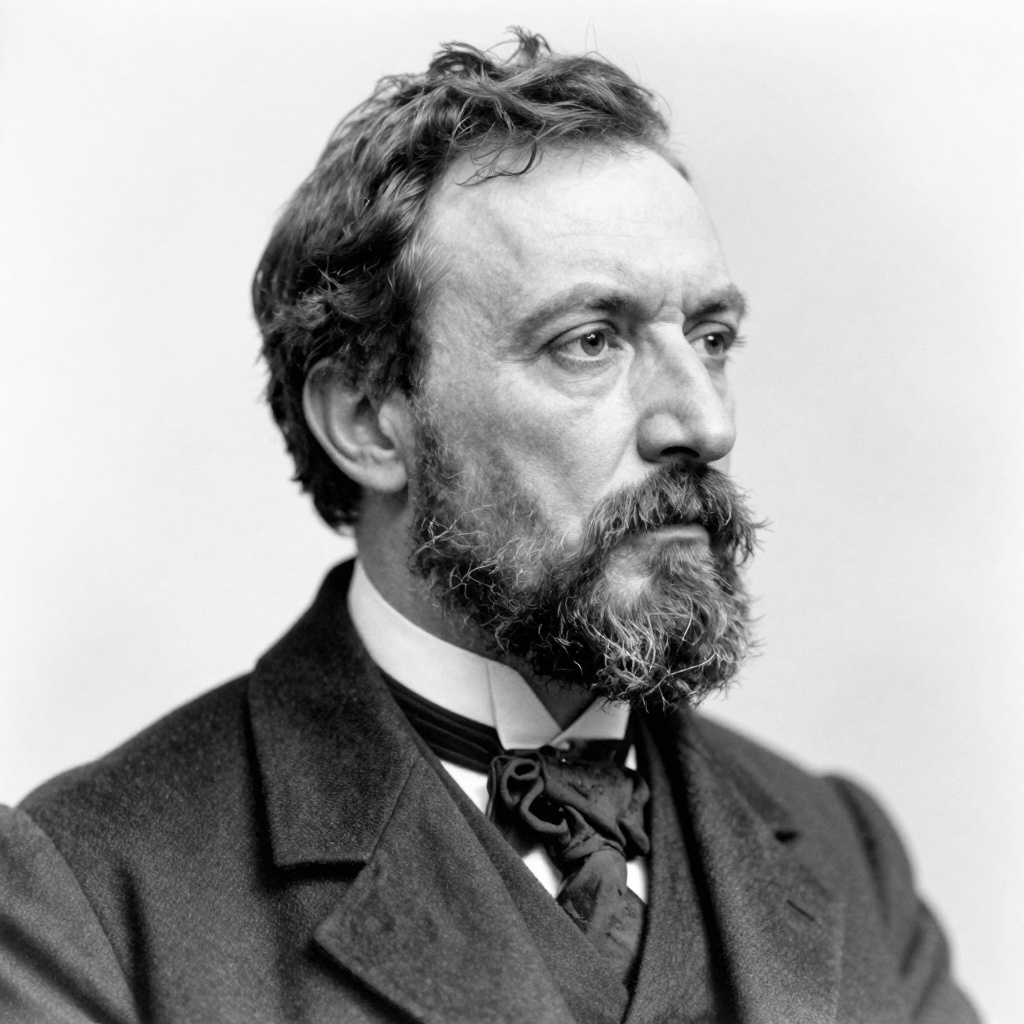
Comments