Quote · Added 14 February 2026
A weed is but an unloved flower.
Ella Wheeler WilcoxPoems of Passion, p. 45, 1883
No ratings yet
Filed underweed·beauty·perception
Quote · Added 14 February 2026
Filed underweed·beauty·perception
We spend a lot of energy deciding what deserves our attention and what doesn't. A dandelion in a manicured lawn becomes an enemy. That same dandelion in a child's hand becomes a treasure. The plant hasn't changed—only our perspective has. This matters because it reveals how much of what we call "bad" or "worthless" is really just a matter of context and expectation.
The quote works as a gentle challenge to our snap judgments. When we dismiss something as a weed, we're often just saying it doesn't fit where we wanted it to be. But the same logic applies to people, ideas, and parts of ourselves we've written off as flaws. What if the thing we're fighting against would be valued somewhere else, or valued differently if we looked at it through kinder eyes?
There's something quietly radical here about softening our categories. Not everything needs to be useful or ornamental to matter. Sometimes the real work isn't weeding the garden—it's questioning why we decided certain things belonged in the garden at all.
1850–1919·lived 68 years
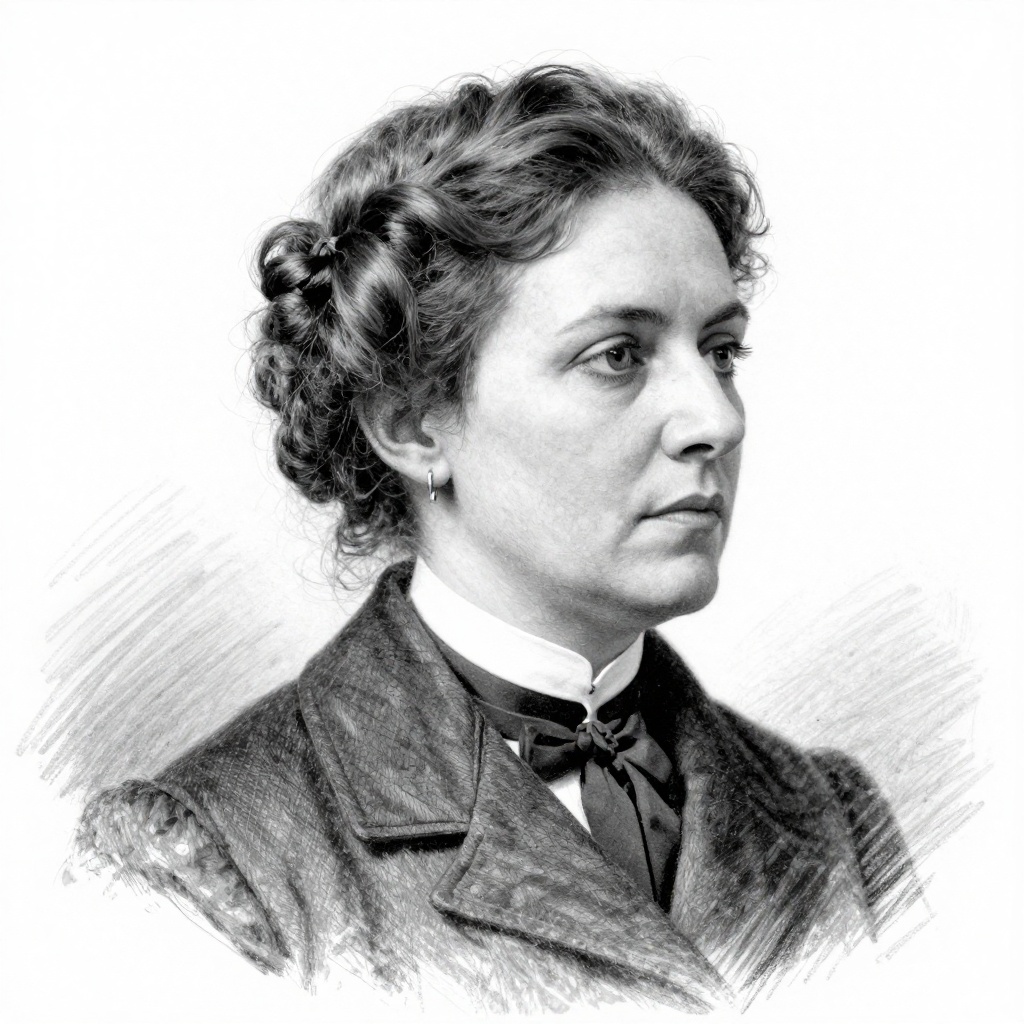
Ella Wheeler Wilcox was an American author and poet, born on November 5, 1850, in Johnstown, Wisconsin. She gained fame in the late 19th and early 20th centuries for her inspirational poetry, which often emphasized themes of love, optimism, and spirituality. Wilcox is best known for her poem "Solitude," which opens with the famous line, "Laugh, and the world laughs with you; weep, and you weep alone."
Comments