Quote · Added 10 February 2026
Never explain - your friends do not need it and your enemies will not believe you anyway.
Elbert HubbardThe Philistine, p. 123, 1905
No ratings yet
Filed underexplanation·trust·authenticity
Quote · Added 10 February 2026
Filed underexplanation·trust·authenticity
There's a liberating truth buried here that most of us discover only after wasting years on the wrong conversations. We spend enormous energy crafting explanations—justifying why we made a choice, why we said something, why we're not who someone thinks we are. But Hubbard's point cuts through the noise: the people who matter to you already know your heart, and everyone else is operating from their own fixed idea of who you are anyway.
This doesn't mean never communicate. It means recognizing that explanation is often just anxiety dressed up as clarity. When you find yourself composing that long text or rehearsing what you'll say at dinner, pause and ask: am I doing this because they genuinely need to understand, or because I'm uncomfortable with what they might think? The first deserves words. The second rarely does.
The real surprise is how much mental space opens up once you stop. You don't become indifferent or cold—you become more selective about whose understanding actually matters, and more honest about when you're explaining for them versus explaining to manage your own worry. Your real friends will get you without the dissertation. Everyone else will believe what they want to believe anyway.
1856–1915·lived 58 years
Elbert Hubbard was an American writer, publisher, and artist, best known for his founding of the Roycroft artisan community in East Aurora, New York. He was a leading figure in the Arts and Crafts Movement, and his most famous work is the essay "A Message to Garcia." Hubbard died in 1915 aboard the RMS Lusitania, which was torpedoed by a German U-boat during World War I.
Also by Elbert Hubbard
The love we give away is the only love we keep.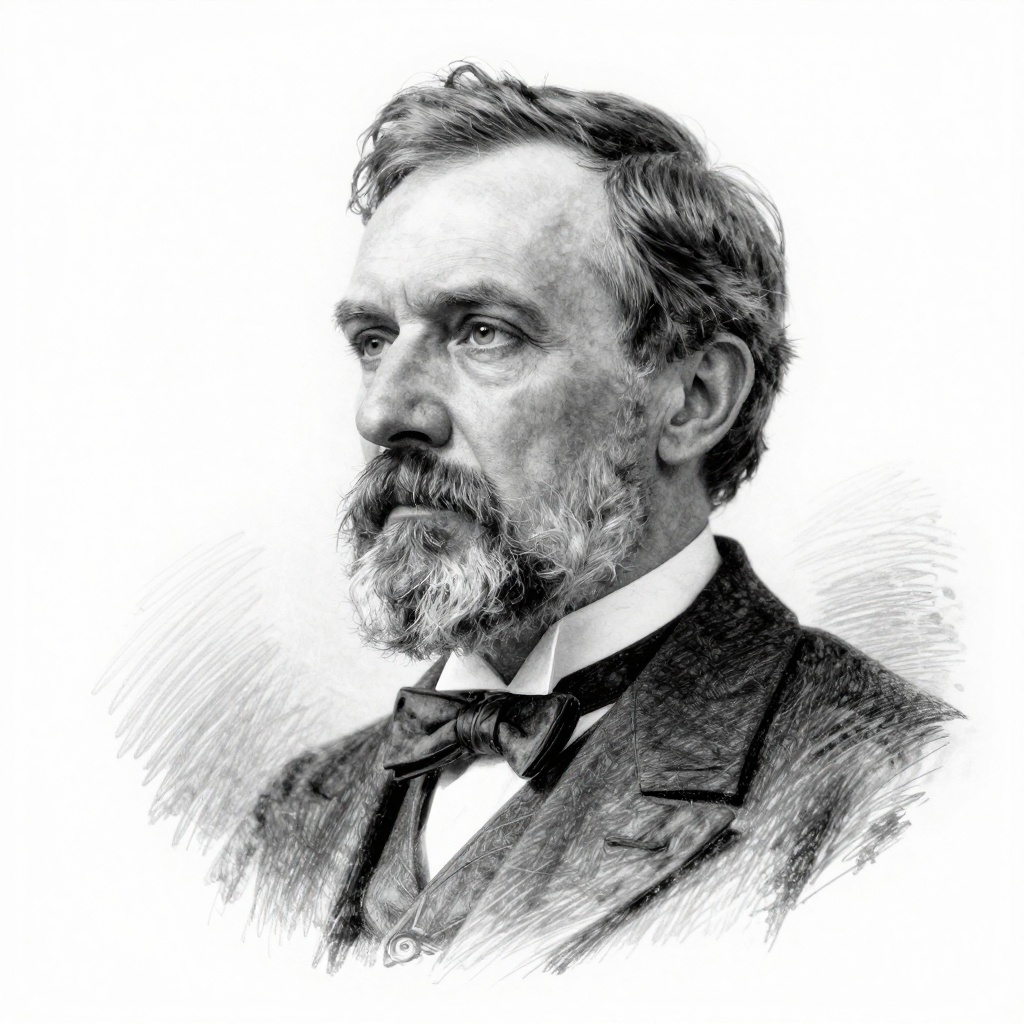
Comments