Quote · Added 14 February 2026
How many a man has thrown up his hands at a time when a little more effort, a little more patience would have achieved success.
Elbert HubbardThe Note Book of Elbert Hubbard, 1927
No ratings yet
Quote · Added 14 February 2026
We've all been there—three rejections in, or halfway through a project that feels pointless, and suddenly quitting looks like the sensible choice. The thing is, we rarely quit at random moments. We quit right when the work gets genuinely hard, when the initial motivation has worn off and only stubborn effort remains. That's precisely when many people stop, convinced they've hit a real wall instead of recognizing it as just another wall they'd need to climb anyway.
What makes this observation sting is how often we'll never know how close we were. The person who gave up on their novel three chapters before it clicked. The entrepreneur who folded right before the market shifted in their favor. We only hear these stories as cautionary tales after the fact, when someone else pushed through that same fog and made it. But here's the less obvious part: sometimes quitting is exactly right. The real skill isn't blind persistence—it's knowing the difference between "this is hard and I'm tired" and "this actually isn't for me." The danger is that most people never develop that discernment because they quit too easily. A little more patience doesn't guarantee success, but it's almost impossible to succeed without it.
1856–1915·lived 58 years
Elbert Hubbard was an American writer, publisher, and artist, best known for his founding of the Roycroft artisan community in East Aurora, New York. He was a leading figure in the Arts and Crafts Movement, and his most famous work is the essay "A Message to Garcia." Hubbard died in 1915 aboard the RMS Lusitania, which was torpedoed by a German U-boat during World War I.
Also by Elbert Hubbard
The love we give away is the only love we keep.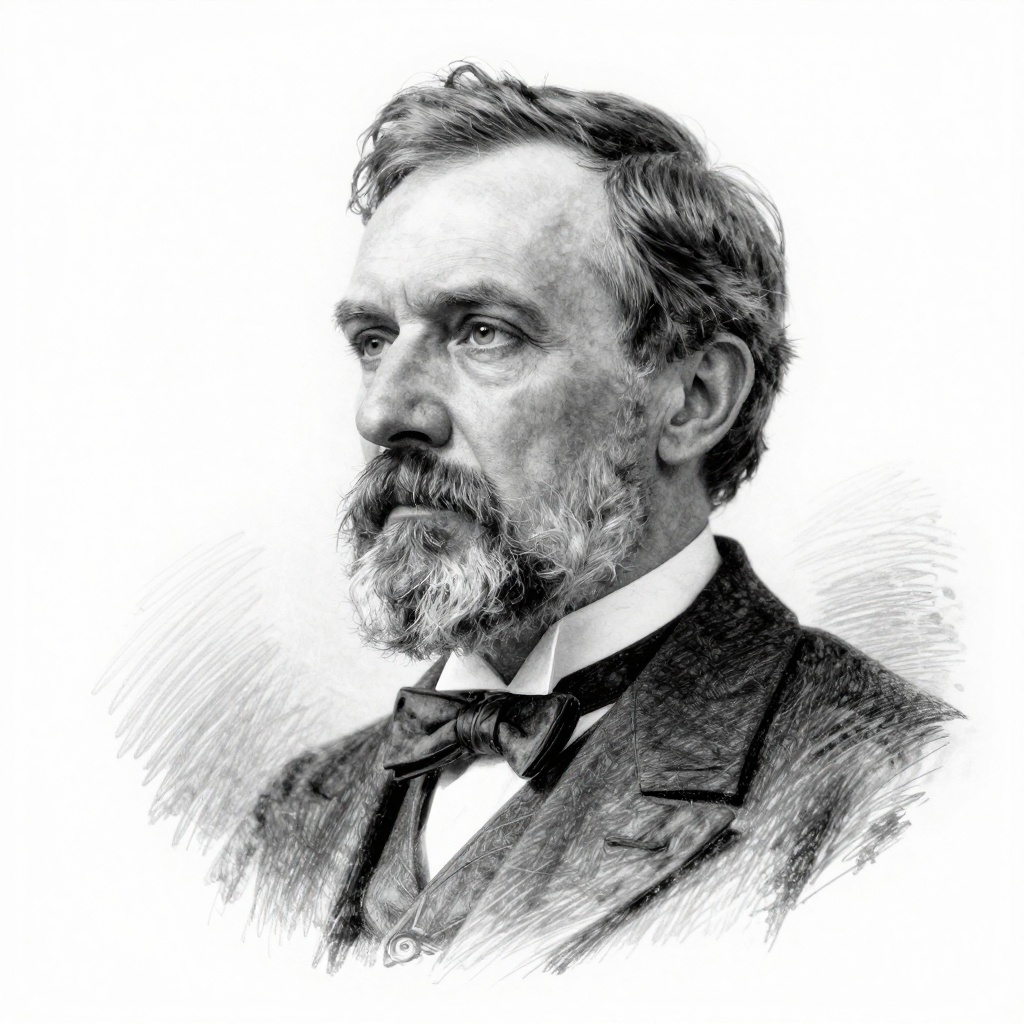
Comments