Quote · Added 9 February 2026
Procrastination is the thief of time.
Edward YoungNight Thoughts, 1742
No ratings yet
Filed underprocrastination·time·loss
Quote · Added 9 February 2026
Filed underprocrastination·time·loss
We all know that sinking feeling when a deadline suddenly looms and we realize we've burned through weeks doing everything except the one thing that mattered. But here's what's tricky about procrastination: it doesn't just steal the time you actually waste scrolling or organizing your desk. It steals the mental space you could have used for deeper work, for thinking clearly, for actually enjoying the task instead of white-knuckling through it at the last minute. That deadline pressure we think will motivate us usually just floods our brain with cortisol and regret.
The reason this old phrase still hits hard is that we're somehow procrastinating more than ever, despite having every productivity app imaginable. We're not lazier—we're drowning in distractions and choice. Every minor task feels urgent because notifications treat it that way. So procrastination isn't just about wasted hours; it's about the compounding effect. Put something off today, and tomorrow you're starting further back, with less breathing room, less ability to do your best work.
The counterintuitive part? Small, immediate action—even ten minutes on that dreaded project—almost always makes you feel better than the anxiety of avoidance. Time isn't just stolen when you procrastinate. It's surrendered.
d. 1765
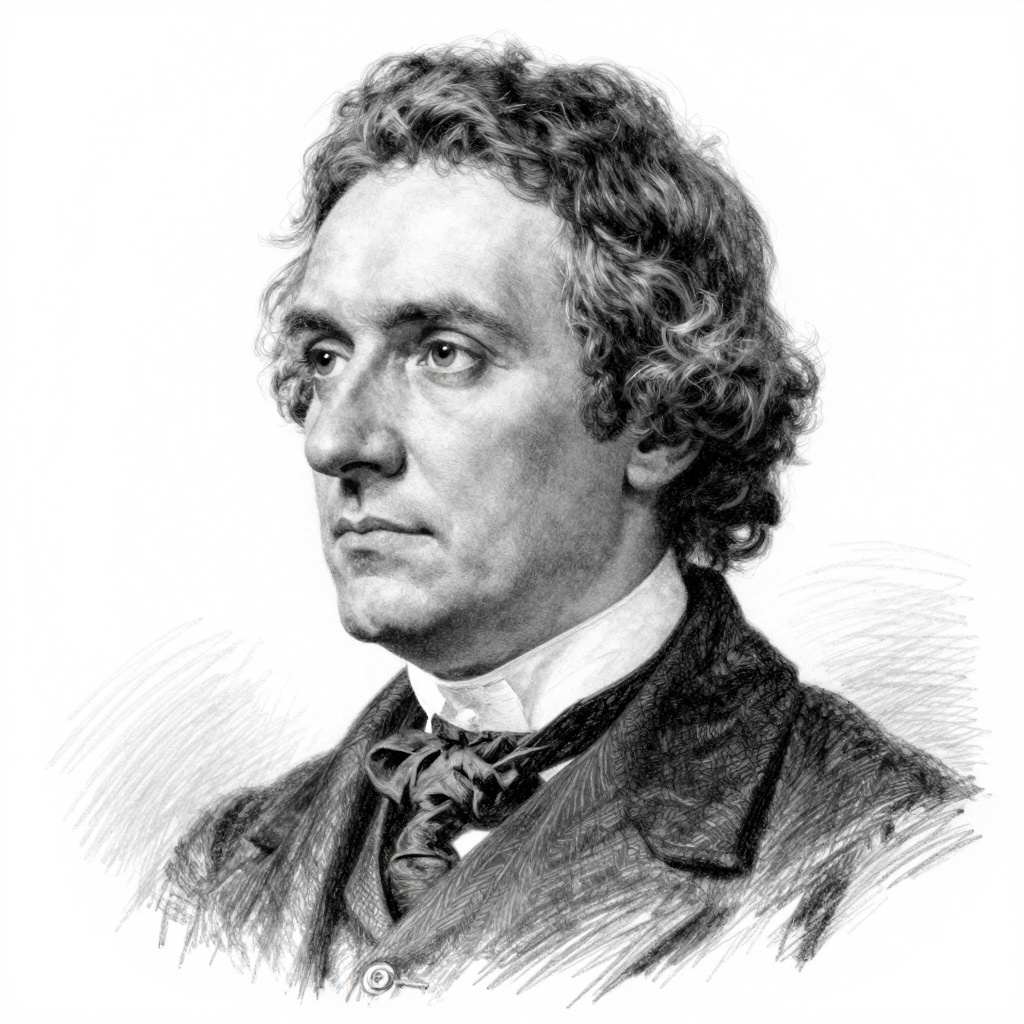
Edward Young (1683–1765) was an English poet and dramatist best known for his long poem "Night Thoughts." He was also a clergyman, serving as royal chaplain to George II. Young's work often reflected themes of morality, death, and the afterlife.
Comments