Quote · Added 19 February 2026
Talent does what it can; genius does what it must.
No ratings yet
Filed undertalent·genius·determination
Quote · Added 19 February 2026
Filed undertalent·genius·determination
There's a useful distinction hidden here that most of us miss because we assume talent and genius are just different points on the same scale. But this quote suggests something stranger: they operate from completely different internal logic.
Talented people—and this includes most of us who are good at something—have a choice. They can apply their skill when it suits them, when there's opportunity or reward. A talented musician can take gigs or not. A talented writer can work on projects that pay. That flexibility is partly what makes talent so valuable. Genius, though, seems almost like a compulsion. It's not that the work is mandatory from the outside; it's that the person experiences it as mandatory from within. They feel driven to make or solve or create something, almost regardless of whether anyone will pay attention or whether it's "practical."
The practical insight is this: if you're waiting to feel genius-level motivation before starting something meaningful, you might wait forever. Most of us operate in talent territory—we do good work when conditions are right. And that's actually enough. The pressure to feel called or driven can become an excuse. Sometimes the better move is to simply do what you can, and let that be the honest answer.
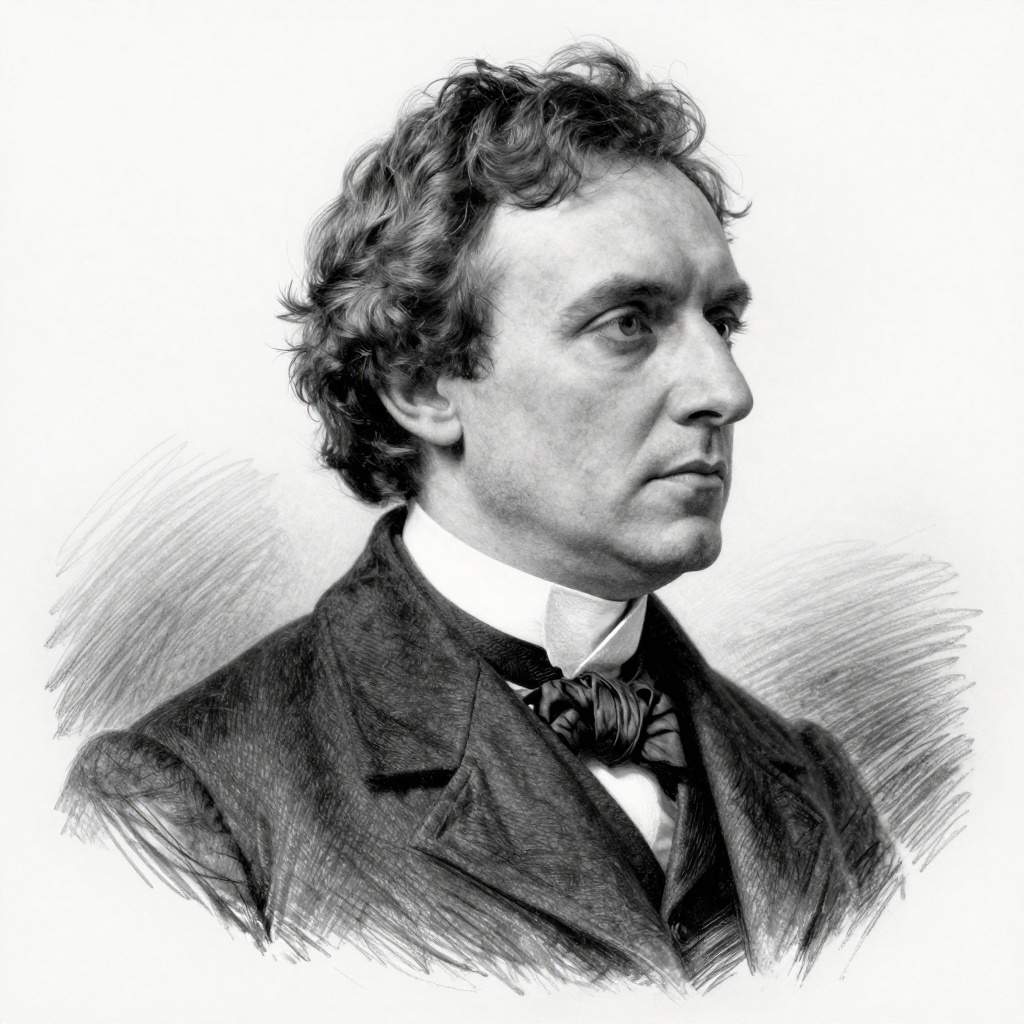
1803–1873·lived 69 years
Edward George Bulwer-Lytton was an English novelist, playwright, and politician born on May 25, 1803. He is best known for his works such as "The Last Days of Pompeii" and "Eugene Aram," as well as for popularizing the phrases "it was a dark and stormy night" and "the pen is mightier than the sword." Bulwer-Lytton served as a member of Parliament and was influential in the literary and political spheres of 19th-century England.
Comments